Top Strategies for Educators to Foster Resilience and Confidence in Gifted Students
Gifted students often carry the weight of high expectations, alongside the unique pressures of their exceptional abilities. As an educator, you’re already aware of the importance of nurturing their emotional well-being. But how do you effectively boost their resilience and confidence? This blog post is your guide. You’ll find practical strategies tailored for educators like you, aiming to empower these bright minds while fostering their emotional growth. Ready to make a lasting impact? Join us and explore deeper insights in our upcoming workshops.## Building Emotional Well-Being
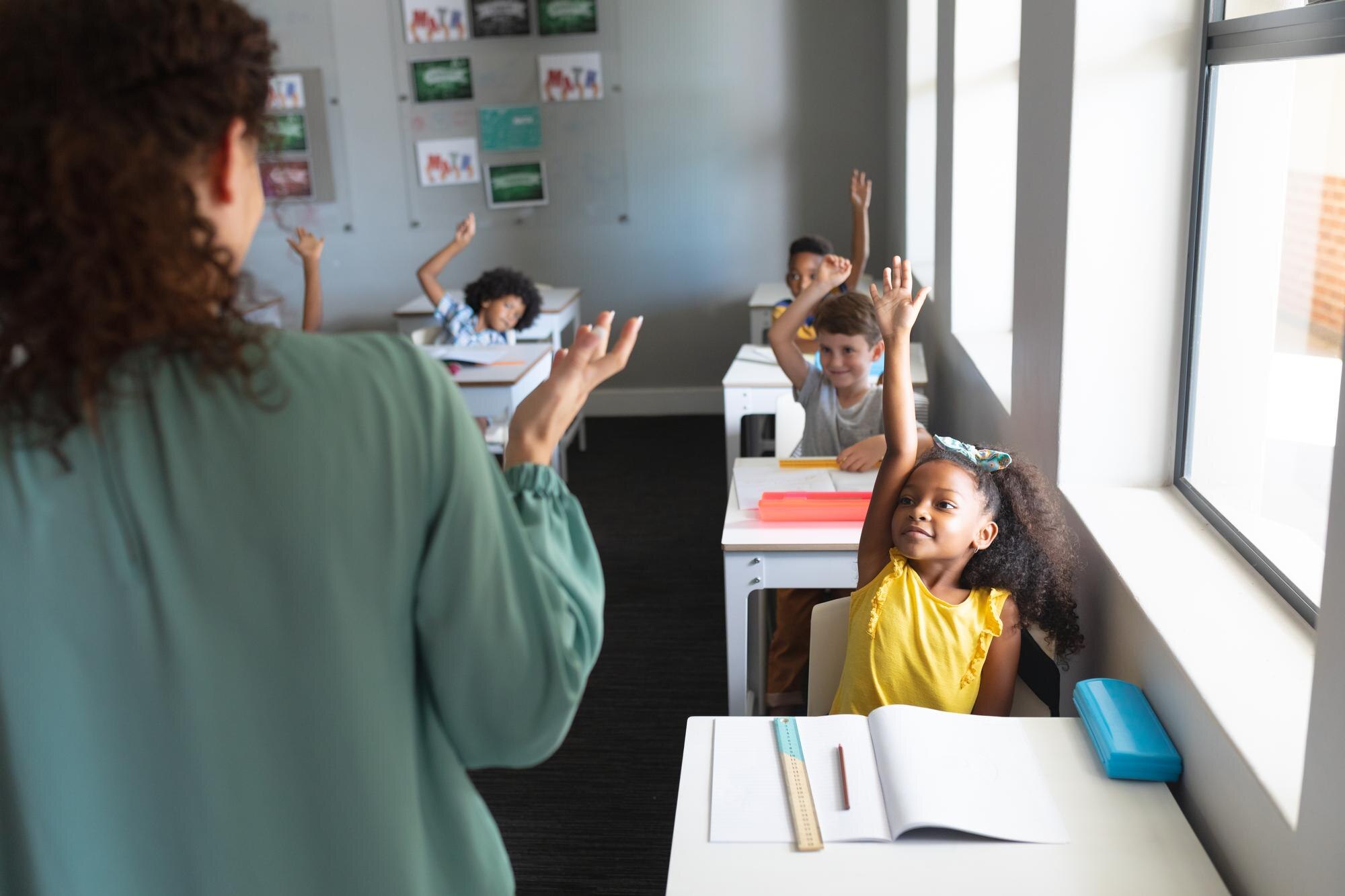
Emotional well-being is the cornerstone of success for gifted students. By nurturing a supportive environment, educators can help students thrive both academically and personally. This section explores strategies to create a safe space and promote open communication.
Creating a Safe Space
A safe environment is crucial for gifted students to express themselves without fear of judgment. Creating such spaces involves developing trust and respect within the classroom. Begin by setting clear expectations about respect and understanding. Encourage students to share their thoughts and feelings openly.
Consistently model empathy and understanding. Use active listening techniques to show students that their voices matter. This involves maintaining eye contact, nodding in acknowledgment, and providing verbal affirmations.
Incorporate classroom activities that promote inclusivity and acceptance. Activities like group projects and discussions can help students feel more connected to their peers. For more insights on building safe learning environments, visit Building Resiliency in Gifted Students.
Encouraging Open Communication
Open communication is vital for fostering trust between educators and gifted students. Start by holding regular one-on-one meetings to discuss each student’s progress and concerns.
Set aside time for students to voice their thoughts during class discussions. Encourage questions and create opportunities for students to lead conversations. This can boost confidence and improve communication skills.
Incorporate tools like journals or reflection papers to help students articulate their emotions. These methods provide a private space for self-expression and can be shared with educators if the student chooses. For additional strategies, explore Strategies for Parenting Gifted Children.
Boosting Resilience in Gifted Students

Resilience is an essential trait for gifted students facing academic and emotional challenges. Educators can play a significant role in teaching coping mechanisms and fostering a growth mindset to enhance resilience.
Teaching Coping Mechanisms
Coping mechanisms help gifted students manage stress and setbacks. Educators can introduce these strategies through structured activities and discussions.
Identify common stressors: Discuss typical challenges faced by gifted students, such as perfectionism or social isolation.
Teach relaxation techniques: Introduce methods like deep breathing, meditation, or physical activity to alleviate stress.
Encourage problem-solving: Have students brainstorm solutions to hypothetical challenges, encouraging them to think critically and creatively.
Highlighting real-world examples can illustrate these techniques. For instance, a student might create a personal stress-relief routine by combining music and art. Explore more methods in Developing Resilience in Gifted Students.
Fostering a Growth Mindset
A growth mindset encourages students to see challenges as opportunities for growth. Introduce this concept by discussing how effort and persistence lead to improvement.
Create a classroom culture that celebrates learning from mistakes. Encourage students to share their learning experiences, emphasizing that errors are part of the process. Use varied examples of famous individuals who overcame failures to achieve success.
Provide feedback that focuses on effort and progress rather than innate ability. This approach reinforces the belief that skills can be developed over time. For extensive strategies on fostering growth mindsets, refer to Building Resilience Strategies.
Enhancing Confidence Through Support

Confidence is key to the success of gifted students. By offering positive reinforcement and setting realistic goals, educators can significantly boost students’ self-assurance.
Positive Reinforcement Techniques
Positive reinforcement involves recognizing and rewarding desired behaviors or achievements. Start by identifying specific actions or improvements to praise.
Use verbal affirmations to acknowledge students’ efforts. Simple phrases like “I noticed your hard work on this project” can have a profound impact. Consider implementing a reward system for achieving milestones, such as a certificate or a small token of recognition.
Avoid over-praising to ensure that recognition remains meaningful. Highlight genuine accomplishments and encourage students to set new challenges. For more techniques, explore Building Resiliency in Gifted Students.
Setting Realistic Goals 🎯
Realistic goals provide direction and motivation for gifted students. Begin by helping students identify their strengths and areas for growth.
Work together to set specific, measurable, achievable, relevant, and time-bound (SMART) goals. Break larger goals into smaller, manageable tasks to maintain motivation and track progress.
Regularly review and adjust goals as needed, celebrating each milestone achieved. This practice helps maintain momentum and encourages continuous improvement. Explore detailed goal-setting strategies in Strategies for Parenting Gifted Children.
By adopting these strategies, educators can make a meaningful impact on the emotional well-being and development of gifted students. 🌟

A certified Heal Your Life® Coach with 20+ years in education and emotional development. Supports gifted teens in navigating anxiety, perfectionism, and identity challenges, while equipping parents with practical tools for lasting transformation. Sessions blend emotional healing, mindset mastery, and strategic empowerment.