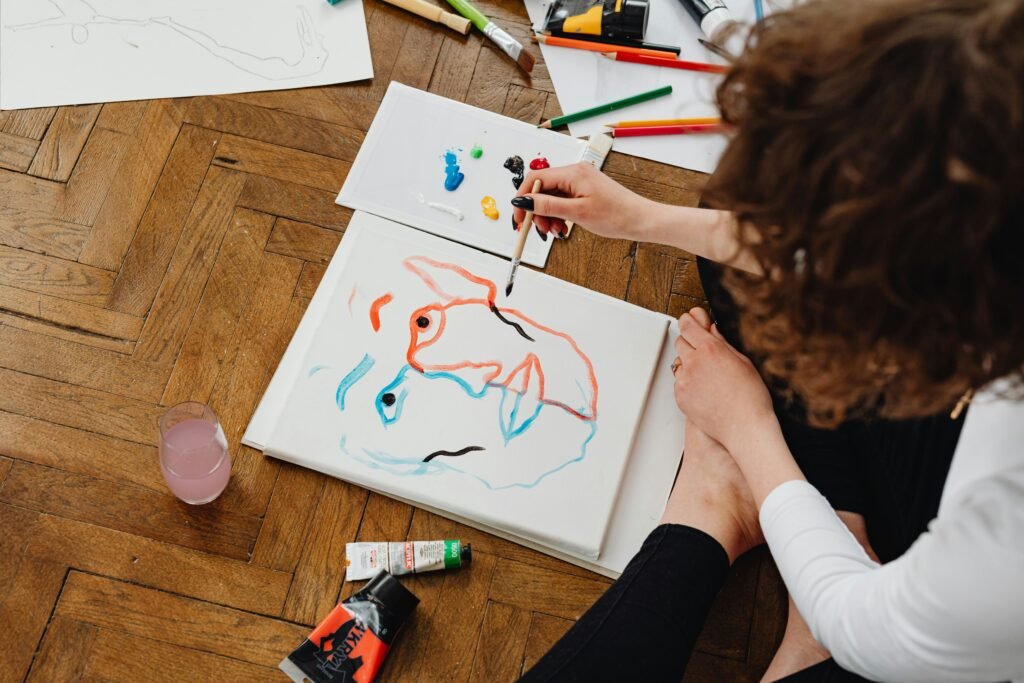
Art therapy uses creative techniques to help individuals express emotions, reduce stress, and enhance emotional well-being, making it an effective tool for mental health support for people of all ages.
Ever feel overwhelmed with emotions or stress? Art therapy could be a game-changer for you. This creative approach to mental health offers a safe space to express feelings that might be tough to put into words. In this article, we’ll explore how art therapy can help you reconnect with your emotions and find relief from stress.
The healing power of creativity
The healing power of creativity is profound. Engaging in creative activities can be a therapeutic outlet for emotional expression and healing. Art therapy is not just for artists; anyone can benefit from it.
How does creativity help?
- It allows for emotional release — express feelings through colors and shapes.
- Reduces stress by providing a calming focus during challenging times.
- Enhances problem-solving skills and boosts self-esteem through accomplishment.
Research shows that people who engage in creative activities report feeling less anxious and more fulfilled. A study by the American Journal of Public Health found that participation in creative arts significantly improves overall well-being.
Simple ways to incorporate creativity into your life
- Start a daily doodle practice — no skills required, just let your hand flow.
- Try adult coloring books to relax and unwind after a busy day.
- Join a community art class to meet others while exploring your creativity.
Remember, there’s no right or wrong in creativity. It’s all about enjoying the process and finding a voice through your chosen medium.
How art therapy works
How art therapy works is fascinating and impactful. This therapeutic method combines creativity and psychology to help individuals express their emotions. It’s not about artistic skill but about the process of creating.
What to expect in an art therapy session
- You’ll engage in various creative activities, like painting, drawing, or collage.
- A trained therapist will guide you through expressing feelings safely.
- There’s no judgment on your art. It’s all about your emotions and experiences.
Benefits of art therapy for mental health
Research shows that art therapy can lower symptoms of anxiety and depression. According to the American Art Therapy Association, participants often report improved emotional well-being and self-awareness. Using art as a language can help process complex feelings.
What techniques are used?
- Free drawing: Let your hand guide you without thinking of the end result.
- Visual journaling: Combine words and images to express thoughts and feelings.
- Collage: Create visuals that represent your life and feelings using cut-out images.
Each technique encourages exploration and understanding of oneself. Regular sessions can lead to significant emotional breakthroughs and healing.
Getting started with art therapy
Getting started with art therapy is easier than you might think. You don’t need to be an artist to benefit from this creative method. All you need is a willingness to explore your feelings through art.
What materials do you need?
- An assortment of art supplies like colored pencils, markers, or paints.
- Plain paper or a sketchbook to capture your ideas.
- Optional: collage materials such as magazines, scissors, and glue.
Finding the right environment
Choose a comfortable and quiet space where you feel safe. It could be a cozy nook in your home or even a park. The goal is to have a distraction-free zone for your art-making.
Try these simple activities
- Free drawing: Let your hand move without a plan. It’s all about expression.
- Color your emotions: Use colors that match how you feel—no wrong choices here.
- Create a vision board: Cut out words and images that inspire you and assemble them on a board.
Consider joining a group or finding an art therapist to guide you. This adds a layer of support and connection to your experience.
Wrapping up
Art therapy offers a wonderful way to explore your feelings and promote healing through creativity. Whether you start with simple drawing or creating a vision board, every little step you take can help unveil your emotions.
Remember, the process is what matters most. It’s about expression, not perfection. Engaging in art therapy allows you to express thoughts that are hard to put into words.
As you reflect on this, consider: what small creative act can you incorporate into your daily routine? Embrace the opportunity to nurture yourself through art.
FAQ — your questions about art therapy answered
What is art therapy?
It’s a mental health practice that uses creative activities to help individuals express emotions and manage stress.
Do I need artistic skills to benefit from art therapy?
Not at all! Art therapy is focused on expression and discovery, so anyone can participate, regardless of skill.
How can art therapy help with anxiety?
Engaging in creative activities has been shown to reduce cortisol levels, helping improve mood and manage anxiety.
Can I practice art therapy at home?
Yes! You can start with simple exercises like mindful coloring, journaling, or free drawing to promote relaxation.
Is art therapy suitable for children?
Absolutely! Art therapy is effective for children, helping them express feelings and develop coping skills.
Should I work with a certified art therapist?
For tailored support and deeper insights, collaborating with a certified art therapist is beneficial.

A certified Heal Your Life® Coach with 20+ years in education and emotional development. Supports gifted teens in navigating anxiety, perfectionism, and identity challenges, while equipping parents with practical tools for lasting transformation. Sessions blend emotional healing, mindset mastery, and strategic empowerment.



