
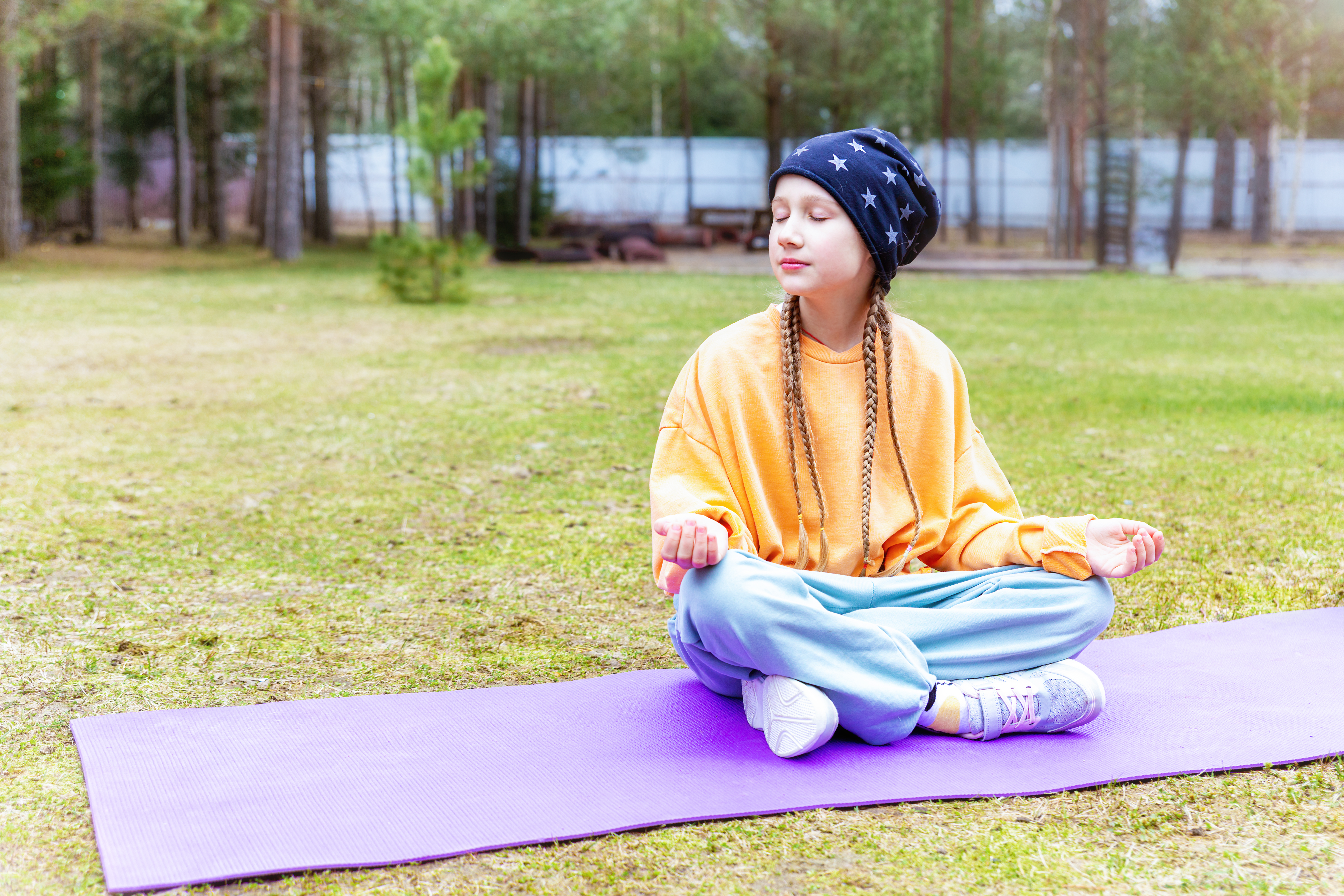
Beautiful caucasian teenage girl sitting on a sports mat outdoors, meditating with her eyes closed. Healthy lifestyle, sports, yoga. Mental health, relaxation. Comfortable sportswear.
Mastering Calm: Techniques to Ease Anxiety and Perfectionism in Gifted Teens
Gifted teens often carry the weight of the world on their shoulders. The pressure to excel can morph into anxiety and a relentless pursuit of perfectionism. But there’s hope on the horizon. In this guide, you’ll find practical techniques to help ease these burdens, fostering a sense of emotional wellness and personal growth. Let’s explore how you and your teen can embrace a balanced life, filled with confidence and calm. For further insights, consider exploring this resource.
Techniques for Anxiety Reduction
Helping gifted teens manage anxiety requires effective strategies. By integrating simple yet impactful practices, teens can achieve better emotional wellness and stability. Let’s explore how mindful breathing, journaling, and physical activity can contribute to anxiety reduction.
Mindful Breathing Practices
Mindful breathing is a powerful technique for easing anxiety. This practice encourages teens to focus on their breath, calming the mind and body. Mindful breathing can be practiced anywhere, offering a moment of peace and clarity.
Find a quiet space: Encourage your teen to sit or lie down in a comfortable spot.
Focus on breathing: Direct their attention to their breath, noticing the inhale and exhale.
Count breaths: Have them count each breath cycle to maintain focus and presence.
Practicing mindful breathing regularly can help gifted teens manage stress and reduce anxiety, providing a sense of calm in their daily lives.
Journaling for Emotional Wellness
Journaling offers a safe space for gifted teens to express their thoughts and emotions. Writing can help them process feelings, leading to greater emotional wellness. Encourage your teen to write freely, without judgment or self-censorship.
Expressive writing allows them to explore inner thoughts.
Regular journaling helps identify patterns in emotions and reactions.
Journals can act as a reflection tool for personal growth.
By maintaining a journaling practice, teens can better understand their emotional landscape, leading to improved mental health and well-being.
Physical Activity as a Release
Physical activity is a natural way to release built-up tension and stress. Engaging in regular exercise can help regulate mood and reduce anxiety in gifted teens. Activities like walking, cycling, or yoga can be both enjoyable and beneficial.
Cardiovascular activities boost endorphins, improving mood.
Yoga and stretching promote relaxation and mindfulness.
Team sports provide social interaction and stress relief.
Encouraging your teen to incorporate physical activity into their routine can lead to significant improvements in their emotional wellness and anxiety management.
Overcoming Perfectionism

Perfectionism can be a significant burden for gifted teens. By addressing its root causes, they can develop healthier self-expectations. Discover how setting realistic goals, embracing mistakes, and exploring creativity can help teens overcome perfectionism.
Setting Realistic Expectations
Gifted teens often hold themselves to high standards. Setting realistic expectations is crucial for reducing the pressure they feel.
Encourage progress over perfection: Help them see growth as a success.
Set achievable goals: Break down larger tasks into manageable steps.
Celebrate effort and improvement: Acknowledge hard work, not just outcomes.
By focusing on what is achievable, teens can reduce stress and find more satisfaction in their accomplishments.
Embracing Mistakes as Learning
Mistakes are invaluable learning opportunities. By reframing errors as growth experiences, gifted teens can lessen the grip of perfectionism.
Normalize mistakes: Discuss the importance of learning from failure.
Reflect on lessons learned: Encourage them to consider what went wrong and how to improve.
Highlight resilience: Emphasize the importance of bouncing back from setbacks.
Helping teens see mistakes as part of the learning process can foster resilience and a healthier self-image.
Encouraging Creative Outlets
Creative outlets allow gifted teens to express themselves without the constraints of perfectionism. Engaging in art, music, or writing can be therapeutic and liberating.
Support artistic exploration: Encourage trying new creative pursuits.
Value the process over the product: Emphasize enjoyment and experimentation.
Provide a judgment-free space: Allow them to create without fear of criticism.
By fostering creativity, teens can develop a more balanced perspective, reducing the hold of perfectionism.
Coaching for Teen Development

Coaching can be a transformative tool for gifted teens. By offering targeted support and guidance, coaching can address anxiety and perfectionism effectively. Here’s how parent support, 1:1 coaching, and mental health toolkits can aid in teen development.
Parent Support Strategies
Parents play a pivotal role in supporting their gifted teens. Effective strategies can make a significant difference in a teen’s development.
Open communication: Maintain honest and supportive dialogues about feelings.
Encourage independence: Allow them to make decisions and learn from experiences.
Model self-care: Demonstrate healthy coping mechanisms and stress management.
By fostering a supportive environment, parents can empower their teens to thrive emotionally and mentally. For more tips, visit Therapy Center TN.
1:1 Coaching Benefits
Individual coaching offers personalized support for gifted teens. Working one-on-one with a coach provides tailored strategies to manage anxiety and perfectionism.
Customized approaches: Coaches adapt techniques to meet individual needs.
Goal setting: Teens learn to set and achieve realistic, personal goals.
Skill development: Coaching builds resilience, self-awareness, and coping skills.
Explore VK Circle’s coaching to help your teen flourish.
Building a Mental Health Toolkit
A mental health toolkit equips gifted teens with resources to manage stress and emotional challenges.
Include relaxation techniques: Breathing exercises, meditation, and visualization.
Develop coping strategies: Journaling, creative outlets, and physical activities.
Access support systems: Peer groups, family, and professional help.
Creating a comprehensive toolkit can empower teens to navigate emotional challenges effectively. To learn more, check out Davidson Academy’s resources. 😊

A certified Heal Your Life® Coach with 20+ years in education and emotional development. Supports gifted teens in navigating anxiety, perfectionism, and identity challenges, while equipping parents with practical tools for lasting transformation. Sessions blend emotional healing, mindset mastery, and strategic empowerment.



