
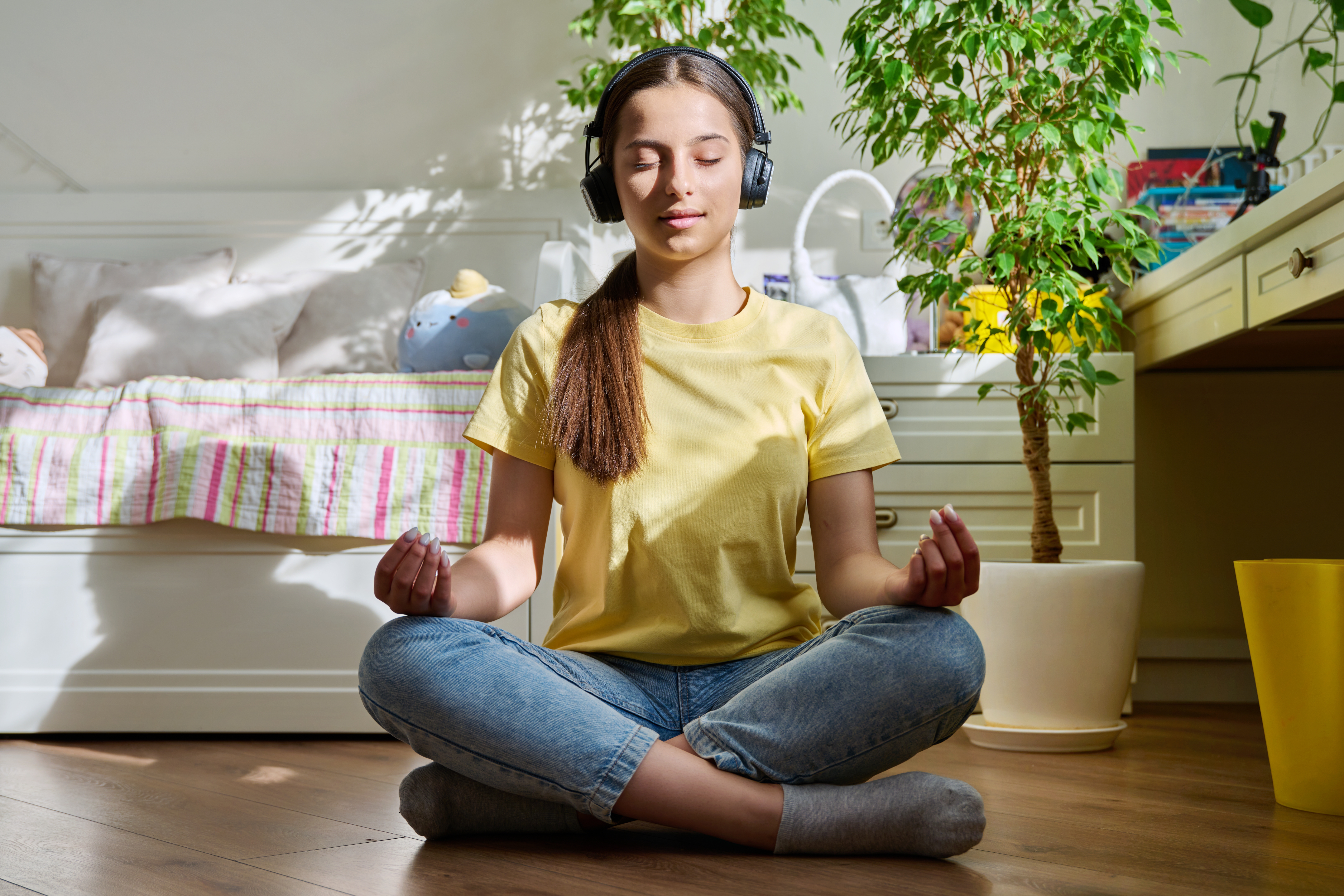
Teenage girl in headphones relaxing meditating with closed eyes sitting in the lotus position at home on the floor in the room. Recreation, lifestyle, adolescence, lifestyle, youth concept
Transforming Anxiety and Perfectionism: Top Techniques for Gifted Teens
Feeling overwhelmed by anxiety and perfectionism can be a heavy burden for gifted teens. As a parent, you want to support your teen’s emotional wellness and personal growth, but finding the right strategies can seem daunting. This is where VK Circle steps in, offering tailored coaching to help your teen navigate these challenges. In this guide, you’ll uncover effective techniques for anxiety reduction and perfectionism management, empowering your teen to thrive. Ready to explore the path toward a balanced, empowered life? Let’s dive in [https://judiholst.com/10-ways-to-help-your-perfectionistic-teen/].
Techniques for Anxiety Reduction
When it comes to anxiety reduction, gifted teens often require tailored strategies that address their unique cognitive and emotional needs. This section outlines practical techniques to help manage anxiety effectively, fostering a sense of calm and focus.
Breathing and Mindfulness Practices
Breathing and mindfulness practices are foundational techniques for reducing anxiety. Deep breathing exercises can help slow the heart rate and induce a state of relaxation. Mindfulness allows teens to anchor themselves in the present moment, reducing the impact of stressful thoughts.
Practice deep breathing: Inhale slowly for a count of four, hold for four, and exhale for four. Repeat several times to calm the nervous system.
Incorporate mindfulness: Encourage teens to spend a few minutes each day focusing on sensory experiences or a simple meditation.
Create a routine: Consistency in practice enhances the benefits of these techniques.
Real-world examples show that teens who engage in regular mindfulness practices experience reduced anxiety levels and improved focus in academic settings.
Cognitive Behavioral Strategies
Cognitive Behavioral Therapy (CBT) strategies offer effective tools for anxiety reduction. These strategies focus on identifying and challenging negative thought patterns that contribute to anxiety.
Identify negative thoughts: Encourage teens to keep a journal to track anxious thoughts and identify patterns.
Challenge these thoughts: Teach teens to question the validity of their fears and consider alternative perspectives.
Practice reframing: Help teens replace negative thoughts with more balanced, realistic ones.
Research suggests that CBT strategies can significantly reduce anxiety by empowering teens to manage their thought processes actively. These techniques are accessible and can be self-applied with practice.
Perfectionism Management Tools

Perfectionism can be both a motivator and a source of stress for gifted teens. Here, we explore tools to help manage perfectionism, promoting healthier mindsets and emotional wellness.
Setting Realistic Expectations
Setting realistic expectations is crucial for managing perfectionism. Gifted teens often set high standards, leading to stress and disappointment.
Define achievable goals: Break down tasks into smaller, manageable parts to avoid overwhelm.
Prioritize tasks: Focus on what is most important rather than aiming for perfection in every aspect.
Celebrate progress: Encourage recognizing and appreciating incremental achievements.
According to Davidson Academy, educating teens on setting realistic goals can lead to more sustainable personal growth and emotional wellness.
Encouraging Healthy Self-Talk
Encouraging positive self-talk is a powerful tool for managing perfectionism. It involves shifting the internal dialogue from critical to supportive.
Recognize negative self-talk: Help teens identify and acknowledge negative thoughts.
Replace with positive affirmations: Encourage the use of affirmations that focus on effort and progress rather than flaws.
Model self-compassion: Parents can set an example by practicing self-compassion and sharing experiences of overcoming self-doubt.
Incorporating these practices can lead to a more balanced mindset, as highlighted by Raising Lifelong Learners, making the journey through adolescence smoother.
Fostering Emotional Wellness

Creating a supportive environment for emotional wellness is vital for gifted teens. This section discusses strategies that balance academics and leisure while building a nurturing atmosphere.
Balancing Academics and Leisure
Maintaining a healthy balance between academics and leisure is essential for emotional wellness. Overburdened teens may struggle with stress and burnout.
Schedule downtime: Ensure that leisure activities are part of the daily routine.
Encourage hobbies: Support interests outside academics to foster creativity and relaxation.
Set boundaries: Limit study time to prevent exhaustion and maintain focus.
Case studies from Therapy Center TN highlight that balanced schedules improve overall well-being and academic performance.
Building a Supportive Environment
Building a supportive environment begins at home. A nurturing atmosphere can greatly enhance a teen’s emotional wellness.
Communicate openly: Create a space where teens feel comfortable expressing their thoughts and concerns.
Encourage connections: Facilitate friendships and social activities that provide emotional support.
Provide resources: Access to counseling or coaching can address specific emotional challenges.
As noted by Davidson Gifted, fostering a supportive environment helps teens feel understood and encourages personal growth. Emphasizing emotional wellness can lead to a more fulfilling and balanced life for gifted teens.

A certified Heal Your Life® Coach with 20+ years in education and emotional development. Supports gifted teens in navigating anxiety, perfectionism, and identity challenges, while equipping parents with practical tools for lasting transformation. Sessions blend emotional healing, mindset mastery, and strategic empowerment.