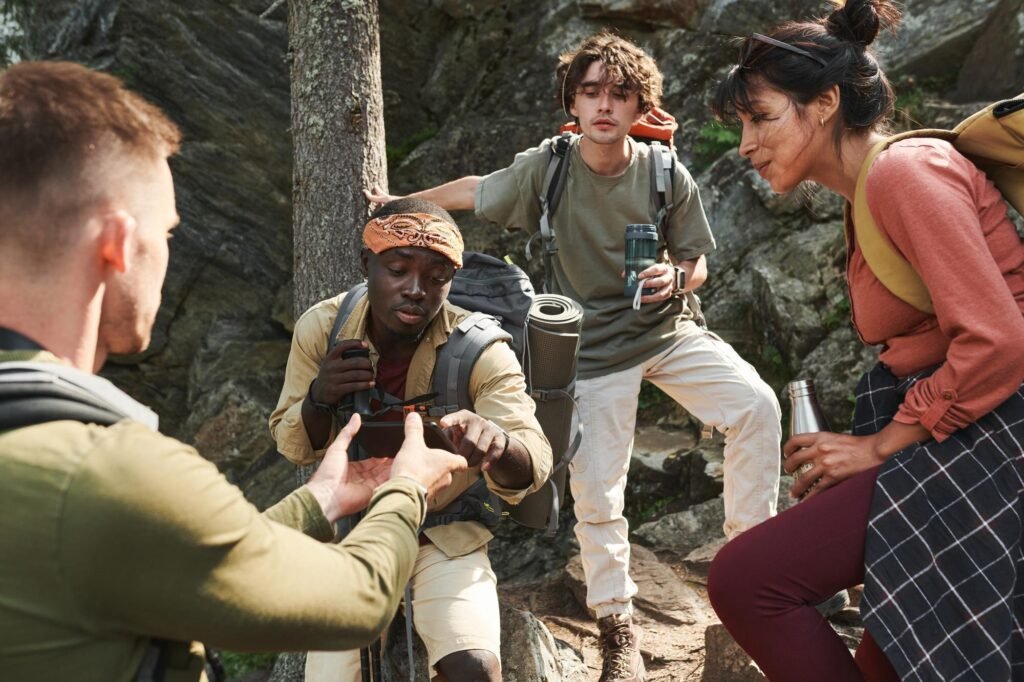
Adventure-Based Mindset Training: A Novel Approach to Building Resilience in Gifted Teens
Imagine a world where your gifted teen doesn’t just survive but thrives, embracing challenges with a newfound strength. Adventure-based mindset training offers a fresh path to teen resilience, blending thrilling real-world experiences with personal growth. Picture your teen, not just coping, but growing through tailored adventures that build emotional wellness and confidence. Join us as we explore how this innovative approach can transform your teen’s life, fostering resilience and self-awareness. Explore the power of this unique training and help your teen reach their full potential.
Adventure-Based Training for Teens
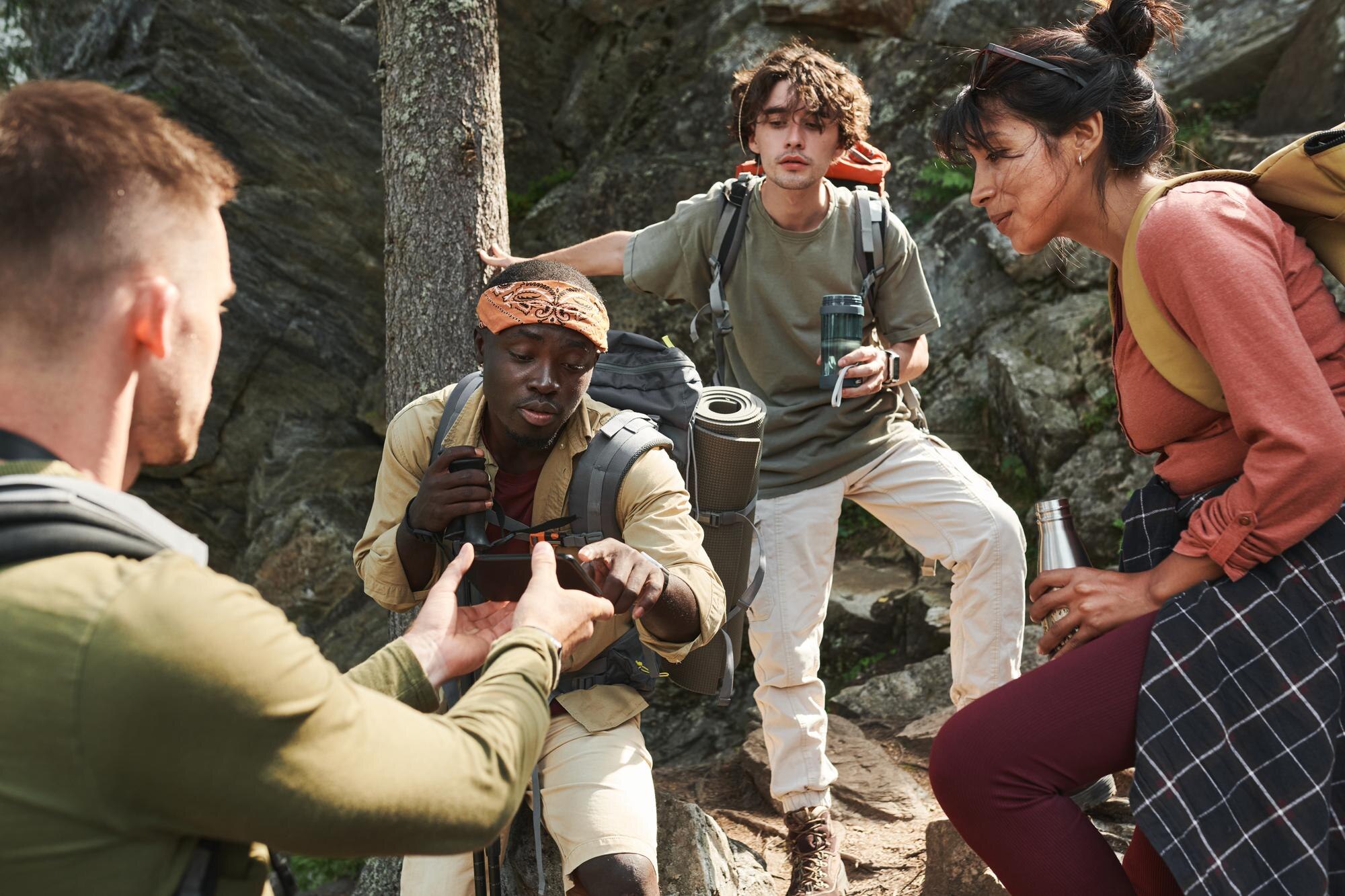
Adventure-based training offers a dynamic approach to developing resilience and emotional wellness in teens. By integrating real-world adventures, this method creates opportunities for personal growth and self-discovery. This section delves into how adventure-based training addresses emotional wellness, enhances resilience, and empowers gifted teens.
Building Emotional Wellness
Emotional wellness refers to the ability to understand and manage one’s emotions effectively. In the context of gifted teens, developing emotional wellness is crucial for navigating the complexities of their experiences. Adventure-based training engages teens in activities that promote self-reflection and emotional regulation.
Through adventure therapy, teens learn to recognize and process their emotions in a supportive environment. Engaging in activities such as hiking or rock climbing can encourage emotional expression and understanding. According to Pure Life Adventure, these activities are particularly beneficial in addressing anxiety and low self-esteem.
The key to emotional wellness lies in creating experiences that challenge teens to step outside their comfort zones. This fosters resilience and adaptability, crucial components for emotional growth and stability.
Fostering Teen Resilience
Resilience is the capacity to recover from difficulties. Adventure-based training plays a pivotal role in building this trait among teens. By exposing them to controlled risks and challenges, they learn to navigate adversity with confidence.
Programs that focus on resilience often include structured challenges that push teens to problem-solve and adapt. For instance, activities like team-building exercises or survival skills training are effective in teaching resilience. Crossnore highlights how these adventures cultivate a sense of accomplishment and determination.
The resilience gained from these experiences prepares teens for future challenges. It equips them with the mental tools to overcome obstacles, both in personal and academic settings.
Empowering Gifted Teens
Gifted teens possess unique cognitive and emotional needs that require tailored approaches to support their development. Adventure-based training empowers these teens by offering experiences that align with their strengths and challenges.
Empowerment through adventure involves creating opportunities for leadership and decision-making. Gifted teens thrive in environments where they can apply their problem-solving abilities. Activities designed for this purpose encourage independence and critical thinking.
According to Recovery Home PA, adventure therapy can significantly boost confidence by providing a platform for gifted teens to excel. This empowerment fosters a sense of self-efficacy and personal growth, essential for their holistic development.
Real-World Experiences and Growth
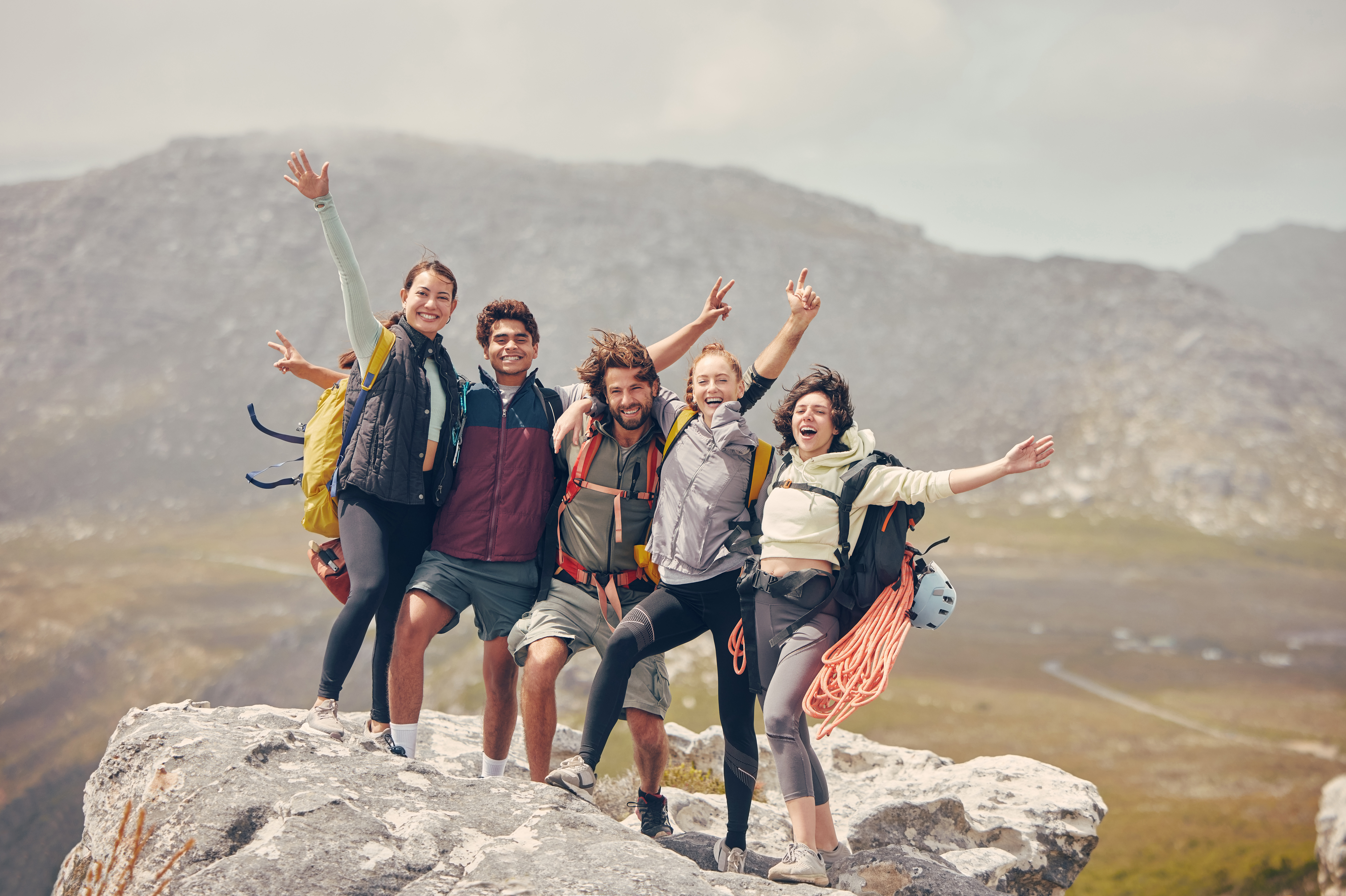
Real-world experiences are a cornerstone of adventure-based training. They provide teens with opportunities to gain practical knowledge and develop essential life skills. In this section, we explore the benefits of global experiences, the development of self-awareness and confidence, and how specific adventures can challenge and inspire.
Benefits of Global Experiences
Global experiences offer teens a broader perspective and enhance their understanding of diverse cultures and environments. These experiences contribute significantly to personal growth and development.
Exposure to different cultures through travel and adventure expands a teen’s worldview. It fosters empathy, adaptability, and open-mindedness. Engaging in international adventures allows teens to step beyond familiar surroundings and embrace new challenges.
Key benefits of global experiences include:
Improved cultural awareness and sensitivity
Enhanced problem-solving skills in diverse contexts
Increased adaptability and resilience
These experiences prepare teens for future global interactions and opportunities, shaping them into well-rounded individuals.
Developing Self-Awareness and Confidence
Self-awareness and confidence are crucial for personal development. Adventure-based training supports the cultivation of these traits by encouraging teens to explore their capabilities.
Activities that promote self-awareness often involve reflection and introspection. For instance, journaling during an adventure can help teens understand their reactions and emotions. Confidence is built through successfully overcoming challenges, reinforcing a teen’s belief in their abilities.
Steps to develop self-awareness and confidence:
Engage in activities that challenge personal limits
Reflect on experiences and emotions through journaling
Celebrate achievements and milestones
These steps contribute to a deeper understanding of oneself and enhance a teen’s ability to navigate future challenges.
Adventures that Challenge and Inspire
Challenging adventures have the power to inspire and motivate. Adventure-based training includes a variety of activities designed to push teens out of their comfort zones and foster growth.
Examples of challenging adventures include rock climbing, kayaking, and wilderness survival. These activities test physical and mental endurance, requiring teens to apply critical thinking and perseverance. According to PMC, such experiences are crucial for developing resilience and self-discipline.
Insights from challenging adventures:
Encourage problem-solving and adaptability
Strengthen teamwork and communication skills
Build a sense of accomplishment and self-worth
These experiences inspire teens to pursue goals with determination and resilience.
Creating a Supportive Environment
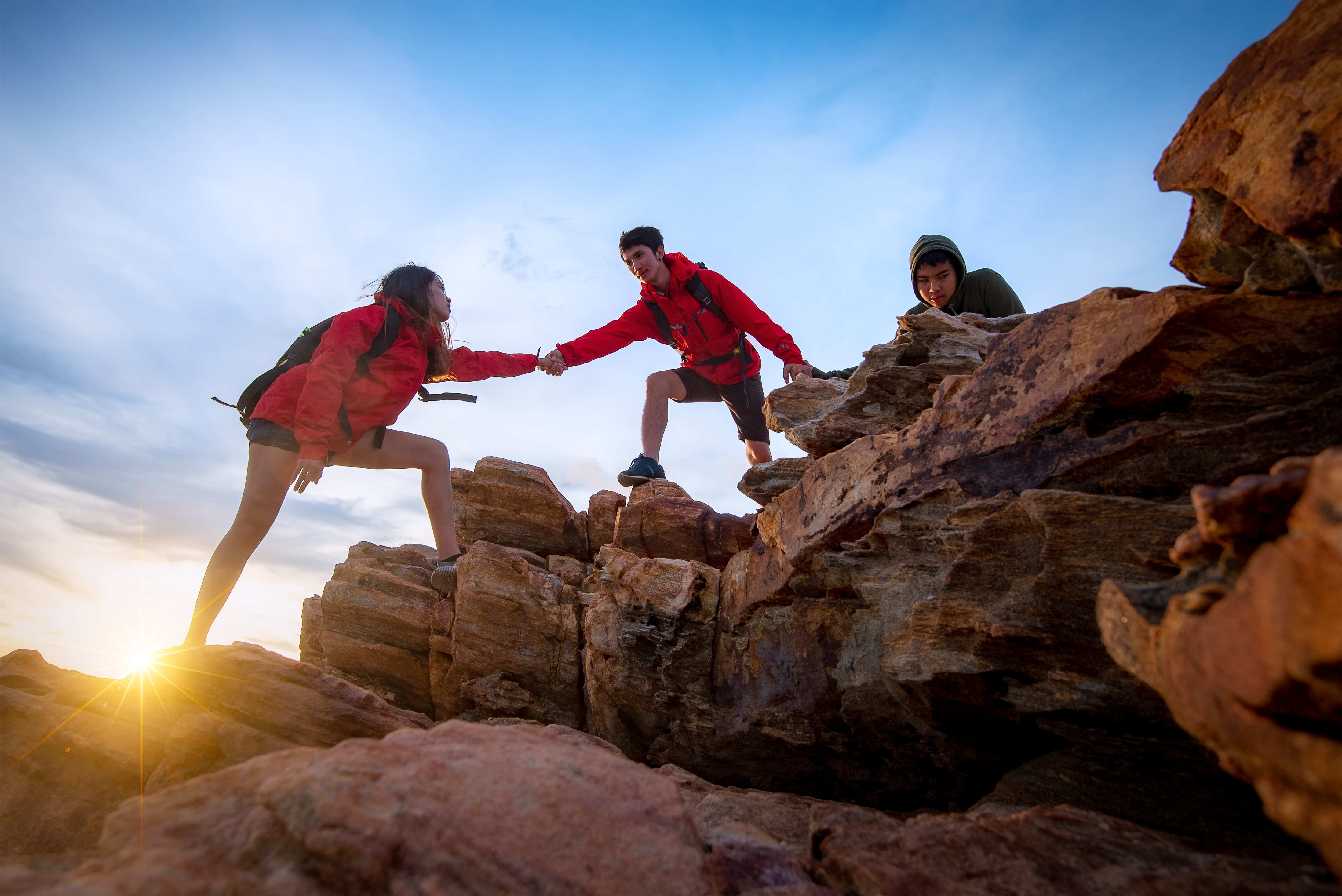
A supportive environment is integral to the success of adventure-based training. It ensures that teens feel safe and encouraged to explore and grow. This section discusses mindset coaching techniques, encouraging emotional growth, and strategies for long-term success.
Mindset Coaching Techniques
Mindset coaching involves guiding teens to develop a positive and growth-oriented mindset. This is achieved through various techniques that encourage resilience and adaptability.
Coaching techniques often focus on reframing negative thoughts and fostering a solution-oriented approach. Encouraging teens to view challenges as opportunities for growth is a fundamental aspect of mindset coaching.
Effective techniques include:
Positive reinforcement to build confidence
Goal-setting exercises to encourage focus and direction
Reflective questioning to promote self-discovery
These techniques help teens develop the mental resilience necessary to tackle life’s challenges head-on.
Encouraging Emotional Growth
Emotional growth is a continuous process, crucial for developing resilience. Adventure-based training supports this growth by providing opportunities for emotional exploration and expression.
Encouraging emotional growth involves creating an environment where teens feel safe to express their emotions. Activities like group discussions and individual reflection encourage openness and vulnerability.
Strategies to encourage emotional growth:
Provide a safe space for emotional expression
Use guided discussions to explore feelings and thoughts
Encourage peer support and empathy
These strategies facilitate emotional development, leading to greater personal insight and resilience.
Strategies for Long-Term Success
Long-term success in adventure-based training is achieved through consistent support and reinforcement of learned skills. Developing a sustainable approach ensures that teens continue to benefit from their experiences.
Sustainable strategies include ongoing mentorship and follow-up sessions. These support systems help teens apply their newfound skills in everyday life.
Key strategies for long-term success:
Maintain regular check-ins with teens to track progress
Encourage the application of skills in various contexts
Provide resources for continued learning and development
These strategies ensure that the benefits of adventure-based training persist, equipping teens with the tools they need for lifelong growth and resilience. 🌟

A certified Heal Your Life® Coach with 20+ years in education and emotional development. Supports gifted teens in navigating anxiety, perfectionism, and identity challenges, while equipping parents with practical tools for lasting transformation. Sessions blend emotional healing, mindset mastery, and strategic empowerment.



