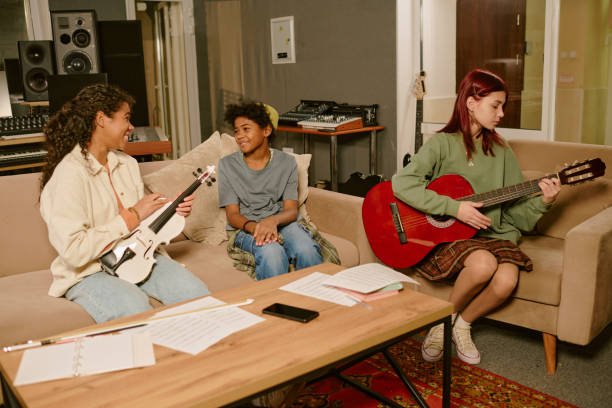
High angle shot of teen boy and girl with bass guitar joking on sofa while their friend strumming acoustic guitar in chair
Empowering Your Gifted Teen: The Transformative Role of Parent Coaching
Navigating the emotional world of gifted teens can feel overwhelming. As a parent, you want to nurture resilience and self-awareness, yet finding the right approach is often a challenge. Enter parent coaching—a path that empowers you to support your child’s emotional growth effectively. With VK Circle’s transformative coaching, you’ll gain practical tools to create a nurturing environment at home. Ready to embark on this empowering journey? Discover how you can bolster your gifted teen’s emotional well-being today.
Understanding Gifted Teens
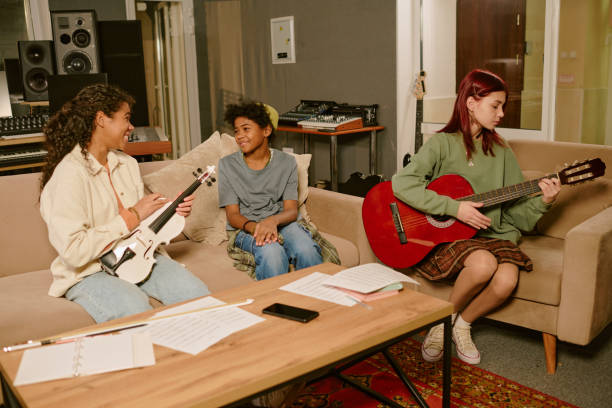
Gifted teens possess unique emotional and intellectual needs that can be challenging for parents to understand. To effectively support them, it’s crucial to grasp the nuances of their emotional landscapes and the common hurdles they face.
Unique Emotional Needs
Gifted teens often experience emotions more intensely than their peers. Their heightened sensitivity can lead to greater empathy but also more profound feelings of anxiety or frustration. Understanding these emotional dynamics is key for parents who aim to provide effective support.
Heightened Sensitivity: Gifted teens may display exaggerated emotional responses, which can sometimes be misinterpreted as mood swings or behavioral issues.
Intellectual Overexcitability: With a strong desire to explore complex ideas, gifted teens might feel isolated if not adequately challenged.
Emotional Intensity: This can manifest as deep empathy and a strong sense of justice, leading to stress when encountering unfair situations.
According to Davidson Gifted, it’s vital for parents to recognize these traits as strengths rather than weaknesses.
Common Challenges Faced
Gifted teens often encounter challenges that can impact their well-being. Balancing their intellectual abilities with emotional maturity is a complex task.
Social Isolation: Due to differing interests from peers, gifted teens may struggle to form meaningful friendships.
Perfectionism: The desire to excel can lead to stress and fear of failure.
Underachievement: Gifted teens may disengage from tasks that don’t stimulate them intellectually, leading to a perceived lack of motivation.
A study from PMC shows that these challenges often go unnoticed, making it vital for parents to remain vigilant and proactive in their approach.
The Impact of Parent Coaching

Parent coaching can transform the way families support gifted teens, providing strategies that promote resilience and emotional growth. It empowers parents to create an environment where their children can thrive.
Building Resilience at Home
Building resilience requires a supportive home environment where gifted teens feel understood and valued. Parent coaching can be instrumental in developing this space.
Understanding Triggers: Coaches help parents identify what causes emotional distress and address these issues constructively.
Encouraging Open Communication: By fostering dialogue, parents can ensure their teens feel heard and respected.
Modeling Coping Strategies: Parents learn to demonstrate effective ways to handle stress and adversity.
Blue Square Counseling emphasizes the importance of these strategies in building emotional resilience.
Tools for Emotional Growth
Parent coaching equips families with practical tools to support emotional growth in gifted teens.
Emotional Regulation Techniques: Parents are taught methods to help teens manage their emotions, fostering greater self-control.
Goal Setting: Coaches guide families in setting realistic expectations and goals, promoting a sense of achievement.
Mindfulness Practices: These techniques aid in reducing anxiety and enhancing focus.
The Center for Talent Development highlights these tools as essential for nurturing the emotional well-being of gifted teens.
Creating a Supportive Environment

A nurturing home environment is crucial for the emotional development of gifted teens. Practical strategies can make a significant difference in fostering self-awareness and growth.
Encouraging Self-Awareness
Self-awareness is a key component of emotional intelligence and is vital for gifted teens.
Reflective Practices: Encouraging teens to keep journals or engage in regular self-reflection can help them understand their emotions better.
Feedback Loops: Constructive feedback from parents can aid teens in becoming more aware of their strengths and areas for improvement.
Active Listening: Demonstrating attentiveness when teens express themselves fosters a sense of security and self-worth.
Blue Square Counseling advocates for these practices to enhance self-awareness and emotional growth.
Practical Strategies for Parents
Parents can implement several strategies to support their gifted teen’s emotional development.
Set Boundaries: Establish clear, consistent rules to provide structure.
Promote Autonomy: Encourage decision-making to build confidence and independence.
Celebrate Achievements: Recognize and celebrate successes, big or small, to boost self-esteem.
These strategies, as outlined by Davidson Gifted, are designed to create a nurturing and empowering environment at home.

A certified Heal Your Life® Coach with 20+ years in education and emotional development. Supports gifted teens in navigating anxiety, perfectionism, and identity challenges, while equipping parents with practical tools for lasting transformation. Sessions blend emotional healing, mindset mastery, and strategic empowerment.



