
Empowering Gifted Teens: Techniques to Tame Anxiety and Perfectionism
Gifted teens often face a world of pressure, battling anxiety and perfectionism that can feel overwhelming. As parents, watching your child struggle with these challenges can be heart-wrenching. But there’s hope. By embracing effective anxiety management and perfectionism solutions, you can guide your teen towards emotional wellness and personal growth. In this post, we’re diving into proven techniques that empower gifted teens to thrive. Ready to discover the tools that will transform your family’s journey? Let’s get started.
Techniques for Managing Anxiety
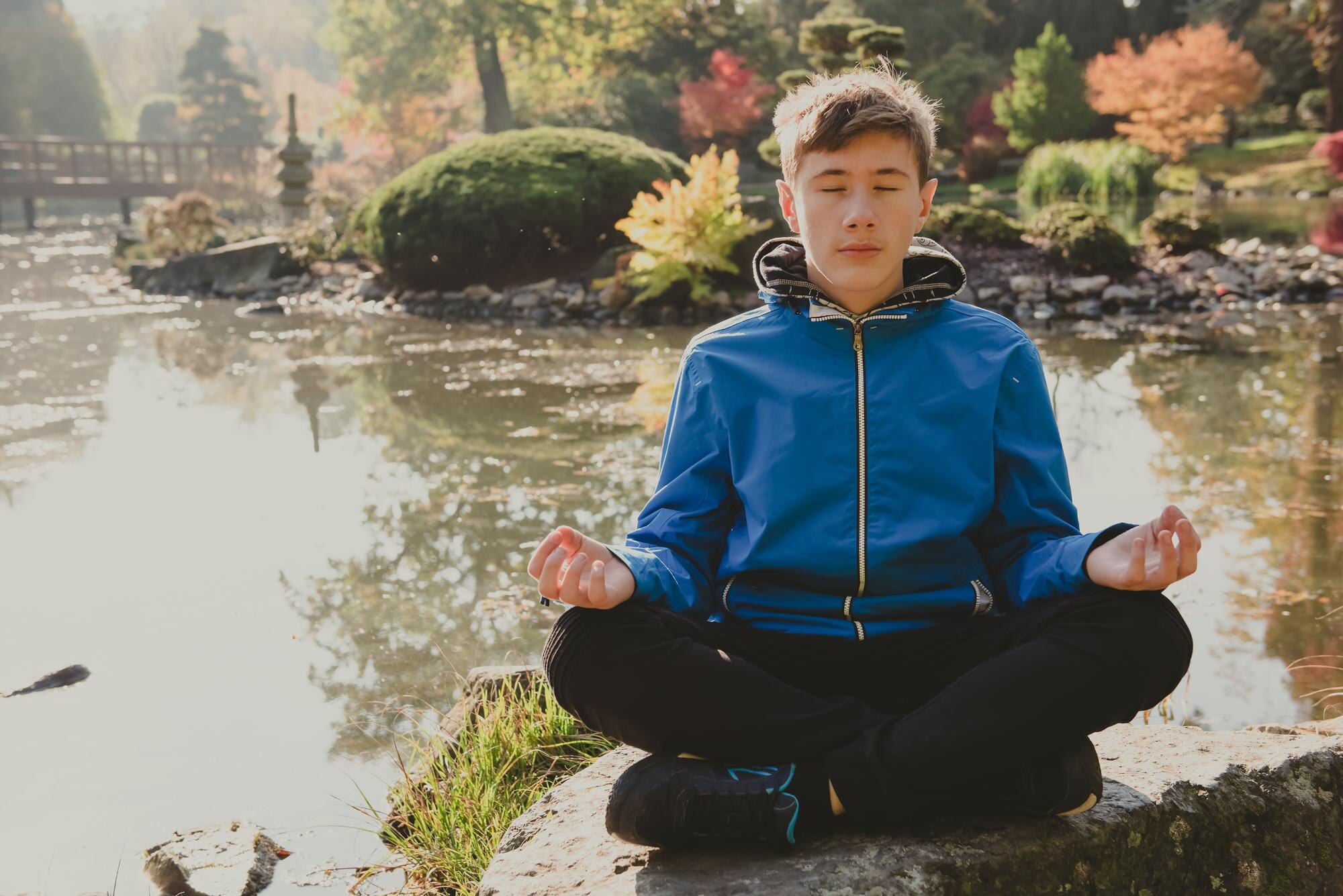
Gifted teens often struggle with anxiety, which can hinder their personal growth and emotional wellness. Understanding and applying techniques to manage anxiety is crucial. These practices provide a foundation for calm and focus, empowering teens to handle stress effectively.
Mindfulness Practices
Mindfulness is a state of active, open attention on the present. For gifted teens, this practice can reduce anxiety by focusing thoughts away from stressors. Mindfulness meditation, for instance, involves sitting quietly and paying attention to thoughts, sounds, the sensations of breathing, or parts of the body.
To implement mindfulness:
Set aside time: Encourage your teen to dedicate a few minutes daily to mindfulness practice.
Focus on breathing: Teach them to concentrate on their breath, noticing each inhale and exhale.
Observe without judgment: Guide them to acknowledge thoughts without getting attached.
Incorporating mindfulness can lead to a more balanced emotional state and improved concentration.
Breathing Techniques for Calm
Breathing techniques are simple yet effective for immediate anxiety relief. They help regulate the body’s stress response, promoting calmness.
Deep Breathing: Encourage slow, deep breaths to help decrease heart rate and induce relaxation.
4-7-8 Technique: Instruct teens to inhale for four seconds, hold for seven, and exhale for eight.
Diaphragmatic Breathing: Focus on breathing deeply into the diaphragm rather than shallowly into the chest.
Regular practice can create a sense of control over anxiety levels and help manage stressful situations effectively.
Visualizing Success
Visualization can be a powerful tool for reducing anxiety. By mentally picturing a calm and successful outcome, teens can boost confidence and reduce fear of failure.
Create vivid images: Encourage teens to close their eyes and imagine themselves succeeding in specific situations.
Incorporate sensory details: Include sounds, smells, and physical sensations to make the visualization more realistic.
Revisit regularly: Practice visualization daily for lasting effects.
These techniques can contribute to improved performance and reduced anxiety, providing teens with tools to handle challenges effectively.
Perfectionism Solutions for Teens

Perfectionism in gifted teens can lead to stress and frustration. Understanding how to manage these tendencies is essential for emotional wellness and personal growth. By adopting practical strategies, teens can learn to embrace imperfections and achieve balance.
Setting Realistic Goals
Setting realistic goals is vital to counter perfectionism. Unrealistic expectations can lead to unnecessary stress and hinder emotional wellness.
Break tasks into smaller steps: Encourage your teen to focus on one small goal at a time.
Set achievable deadlines: Help them establish reasonable timelines for tasks.
Celebrate small victories: Acknowledge progress, not just end results.
This approach fosters a sense of accomplishment, reducing the pressure to be perfect. Resources like Davidson Academy provide insights into managing perfectionistic tendencies.
Embracing Mistakes
Understanding that mistakes are part of learning is crucial for overcoming perfectionism. Encourage teens to view errors as opportunities for growth rather than failures.
Normalize mistakes: Discuss how everyone makes mistakes and learns from them.
Reflect on errors: Guide teens to analyze what went wrong and how to improve.
Practice self-compassion: Encourage them to treat themselves kindly, as they would a friend.
This mindset shift can reduce the fear of failure and promote resilience.
Prioritizing Self-Care
Self-care is essential for managing perfectionism and promoting emotional wellness. It helps maintain balance and prevent burnout.
Encourage regular breaks: Remind teens to take time for themselves amidst schoolwork.
Promote hobbies and interests: Support activities that bring joy and relaxation.
Balance work and play: Teach the importance of maintaining a healthy lifestyle.
Resources like Judith Holst can offer additional strategies for integrating self-care into daily routines.
Promoting Emotional Wellness

Fostering emotional wellness is vital for gifted teens to thrive. By building supportive networks and encouraging open communication, teens can navigate their emotions and develop resilience.
Building a Support Network
A strong support network is important for emotional wellness. It offers teens a sense of belonging and a safe space to share their struggles.
Encourage participation in groups: Support involvement in clubs or teams.
Connect with like-minded peers: Foster friendships with others who understand their experiences.
Seek mentorship: Encourage relationships with trusted adults who can offer guidance.
Resources from Davidson Gifted highlight the significance of community connections for gifted teens.
Encouraging Open Communication
Open communication within the family can greatly enhance emotional wellness. It creates an environment where teens feel heard and understood.
Create a judgment-free zone: Encourage honest discussions without fear of criticism.
Practice active listening: Show interest in what your teen has to say.
Discuss emotions openly: Normalize conversations about feelings and challenges.
Engaging in open dialogues can strengthen family bonds and foster emotional understanding.
Fostering Personal Growth
Fostering personal growth involves supporting teens in developing their talents and interests while managing stressors.
Encourage exploration: Support trying new activities and learning new skills.
Set personal challenges: Help them stretch their abilities without overloading.
Celebrate achievements: Acknowledge both big and small accomplishments.
The Raising Lifelong Learners platform offers insights into supporting gifted teens in their journey toward personal growth and self-discovery. 🌟
By embracing these techniques and solutions, parents and teens can navigate the complexities of anxiety and perfectionism, paving the way for a healthier, more fulfilling life. 💪

A certified Heal Your Life® Coach with 20+ years in education and emotional development. Supports gifted teens in navigating anxiety, perfectionism, and identity challenges, while equipping parents with practical tools for lasting transformation. Sessions blend emotional healing, mindset mastery, and strategic empowerment.