
Adventure-Based Mindset Training: Unleashing the Potential of Gifted Teens
Feeling overwhelmed by your gifted teen’s emotional challenges? You’re not alone. Adventure-based mindset training could be the key to unlocking their true potential. This unique approach uses real-world experiences to build resilience and confidence, transforming life’s obstacles into opportunities for growth. Imagine your teen stepping out of their comfort zone, growing emotionally while having fun. Ready to empower your child with the tools they need for emotional wellness and personal development? Explore this exciting journey of growth and discovery today.## Understanding Adventure-Based Mindset Training

Adventure-based mindset training is a unique method designed to foster emotional growth and resilience in gifted teens. This section will explore what this training entails and why it is beneficial for gifted youth.
What is Adventure-Based Mindset Training?
Adventure-based mindset training is an approach that leverages outdoor activities and challenging scenarios to promote personal development. It uses experiential learning to help individuals gain insight into their emotions and behavior. This training emphasizes teamwork, problem-solving, and self-reflection, making it an effective tool for emotional and mental growth.
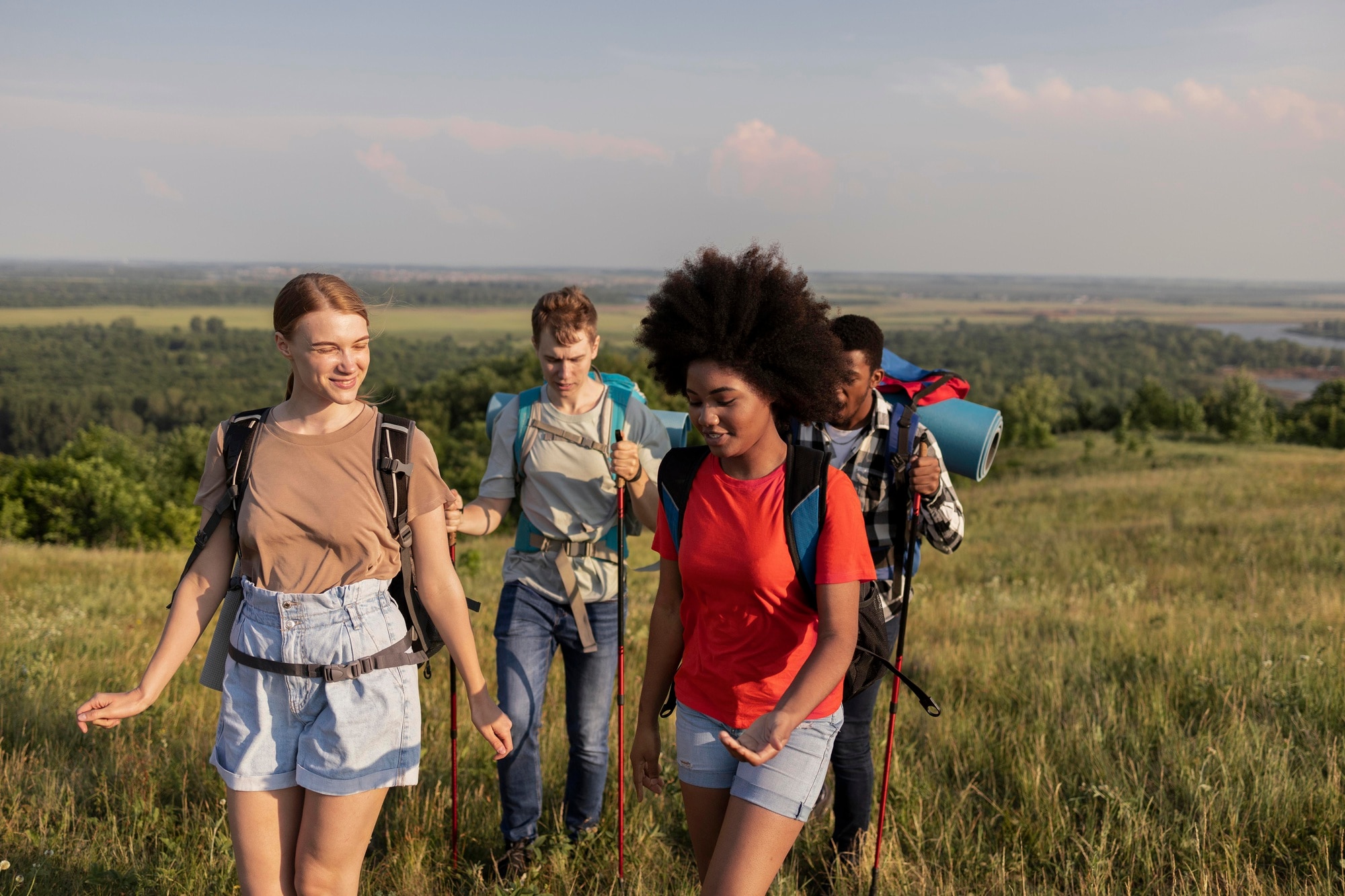
In real-world settings, participants engage in activities like hiking, rock climbing, or team-building exercises. These experiences encourage them to face fears, communicate effectively, and develop leadership skills. Adventure-based training has been backed by research as a way to improve mental health and resilience (source).
For parents and educators, understanding this concept is crucial. It opens doors for gifted teens to explore their potential in a supportive environment, promoting both confidence and emotional intelligence (source).
Benefits for Gifted Teens
Gifted teens often face unique emotional challenges, including anxiety and perfectionism. Adventure-based mindset training offers several benefits tailored to these needs. Firstly, it fosters resilience by teaching teens that failure is a stepping stone to success. Participating in physically and mentally demanding activities helps them learn to persevere through difficulty.
Moreover, confidence building is a significant advantage. When teens successfully complete challenging activities, their self-esteem grows. They realize their capabilities, fostering a positive self-image. This is especially important for gifted teens who may doubt their abilities despite their talents.
Additionally, adventure-based training provides a safe space for emotional expression. Teens learn to articulate feelings and manage stress through guided reflection exercises. This process enhances their emotional intelligence, equipping them with skills to navigate life’s complexities (source).
Emotional Growth Through Real-World Experiences

Real-world experiences are crucial for developing resilience and confidence in gifted teens. This section will discuss how these experiences contribute to emotional growth.
Building Resilience and Confidence
Building resilience and confidence through adventure-based training begins with setting and overcoming personal challenges. Resilience is developed when teens face obstacles, learn from failures, and continue moving forward. They learn that setbacks are temporary and can be overcome with effort and determination.
Confidence is enhanced as teens accomplish tasks they once thought impossible. Each successful experience reinforces their belief in their abilities. They learn to trust themselves and take on new challenges with a positive mindset.
For example, a teen who fears heights might tackle a rock-climbing activity. By gradually scaling the wall, they confront their fear head-on. With each step, their confidence builds, and they gain resilience. This newfound strength transfers to other areas of life, fostering overall emotional growth (source).
Stepping Out of Comfort Zones
Gifted teens often find themselves confined by high expectations, both self-imposed and external. Adventure-based mindset training encourages them to step out of their comfort zones, promoting emotional and personal growth. By engaging in activities they wouldn’t normally consider, teens learn to embrace uncertainty and adapt to new environments.
The process of stepping out of comfort zones involves:
Identifying fears or hesitations.
Participating in activities that challenge these fears.
Reflecting on experiences and emotions during and after the activity.
This process helps teens develop adaptability and courage. They’ll understand that growth occurs outside comfort zones and learn to appreciate new experiences and perspectives. As they expand their comfort zones, they’ll gain a more well-rounded understanding of themselves and the world around them (source).
Empowering Parents and Educators
Parents and educators play a vital role in supporting the emotional wellness of gifted teens. This section will explore how they can empower these young individuals.
Supporting Emotional Wellness
Supporting emotional wellness in gifted teens requires understanding their unique challenges. Adventure-based mindset training can be an effective tool for parents and educators to encourage emotional health. By fostering environments where teens feel safe to express themselves, adults can guide them in navigating their emotions.
For practical support, parents and educators can:
Encourage participation in adventure-based activities.
Foster open communication about emotions and experiences.
Provide consistent support and validation.
These strategies help teens feel understood and supported, reducing emotional distress and encouraging a positive outlook on personal development (source).
Practical Tools for Personal Development
Empowering gifted teens with practical tools for personal development is essential for their growth. Adventure-based mindset training offers several strategies that parents and educators can incorporate. These tools focus on building emotional intelligence, resilience, and self-awareness.
Key tools include:
Goal setting: Encouraging teens to set achievable goals and celebrate progress.
Reflection exercises: Facilitating discussions about emotions and experiences.
Mindfulness practices: Teaching stress management techniques.
By integrating these tools into daily routines, parents and educators can create a supportive environment for personal growth. This empowers gifted teens to take charge of their emotional development, equipping them with skills to thrive in various aspects of life (source).
🌟

A certified Heal Your Life® Coach with 20+ years in education and emotional development. Supports gifted teens in navigating anxiety, perfectionism, and identity challenges, while equipping parents with practical tools for lasting transformation. Sessions blend emotional healing, mindset mastery, and strategic empowerment.



