
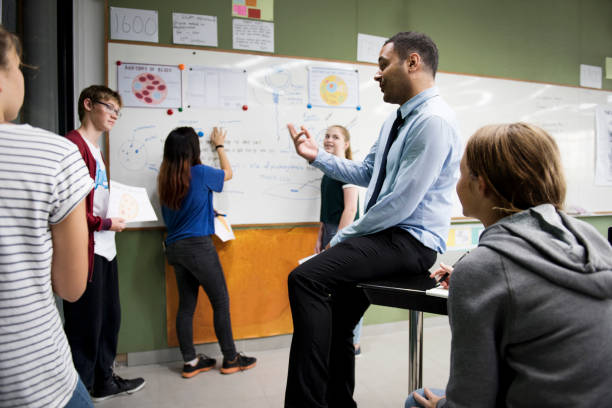
Biology teacher teaching in class with diverse of high school students
Empowering Educators: Top Strategies to Foster Resilience and Confidence in Gifted Students
Your gifted students are brilliant, but their emotional world can be a whirlwind. You see the spark in their eyes, yet anxiety and perfectionism often cloud their confidence. Imagine unlocking a treasure chest of strategies to nurture resilience and strength in these young minds. This journey isn’t just about academics—it’s about empowering them to thrive emotionally. Ready to explore practical ways to support their growth? Let’s turn your classroom into a sanctuary of encouragement and self-belief. Explore more about developing resilience in gifted students.
Building Emotional Resilience in Gifted Students
Building emotional resilience in gifted students is crucial for their overall well-being. Resilience helps them navigate the pressures of high expectations and their own perfectionism. In this section, we will discuss strategies that educators can implement to help gifted students manage anxiety and foster a growth mindset. These strategies are designed to equip students with the tools they need to thrive emotionally and academically.
Strategies for Managing Anxiety
Gifted students often face heightened anxiety due to their advanced abilities and expectations. Understanding anxiety is the first step in helping them manage it effectively. Anxiety can manifest as restlessness, irritability, or even physical symptoms. Educators should be vigilant in recognizing these signs.
Creating a supportive environment is essential. Encourage students to express their feelings and concerns openly. Use resources like this guide to learn more about building resilience.
Mindfulness exercises can be highly beneficial. Practices such as deep breathing and guided imagery can help students focus and calm their minds. Introduce these techniques gradually and incorporate them into the regular classroom routine.
Incorporate discussions about anxiety and stress management into your lessons. This not only normalizes the conversation around mental health but also provides students with practical strategies to cope with stressors.
Finally, consider collaborating with counselors to develop personalized support plans for students who exhibit high levels of anxiety. This ensures they receive the necessary help to manage their emotions effectively.
Encouraging Growth Mindset
A growth mindset is pivotal for fostering resilience in gifted students. It is the belief that abilities can be developed through dedication and hard work. Begin by introducing the concept through stories of famous individuals who overcame obstacles through perseverance.
Reframe challenges as opportunities for growth. When students encounter difficulties, guide them to view these as learning experiences rather than failures. Encourage them to ask questions like, “What can I learn from this?”
Praise effort and progress instead of inherent talent. Highlight the importance of perseverance and resilience. This approach shifts the focus from performance to personal growth and encourages students to persist through challenges.
Provide real-world examples of a growth mindset in action. For instance, discuss how scientists and inventors have used failures as stepping stones to success. Summarize lessons from these examples to reinforce the concept.
Regularly incorporate reflective practices in your teaching. Ask students to reflect on their learning processes and set goals for improvement. This fosters an environment where growth is celebrated and mistakes are seen as a natural part of learning.
Boosting Confidence through Support

Supporting gifted students in building confidence is essential for their development. Confidence empowers them to take risks and embrace new challenges. In this section, we will explore ways to create a safe learning environment and the importance of celebrating small achievements. Both elements are key to nurturing a confident and self-assured student.
Creating a Safe Learning Environment
A safe learning environment is foundational for building confidence in gifted students. Establishing trust is the first step. Encourage open communication and ensure students feel heard and valued.
Implement clear guidelines for respectful interactions. This includes promoting inclusivity and discouraging any form of bullying or discrimination. A classroom where students feel respected fosters a sense of belonging and confidence.
Incorporate collaborative activities that emphasize teamwork and peer support. When students work together, they learn to value diverse perspectives and build mutual respect. Use resources like this blog to enhance your strategies.
Provide constructive feedback that focuses on strengths and areas for improvement. Highlight positive behaviors and reinforce their importance in personal growth. This feedback should be specific and actionable to guide students effectively.
Finally, create opportunities for student leadership. Encourage students to lead projects or discussions, which can bolster their confidence and encourage them to take initiative.
Celebrating Small Achievements
Celebrating small achievements plays a critical role in boosting confidence. It emphasizes progress and motivates students to continue striving for excellence. Begin by recognizing incremental milestones in their learning journey.
Consider implementing a reward system that celebrates effort and mastery of skills. Rewards can be simple acknowledgments or privileges that motivate students. This approach reinforces the value of perseverance.
Document achievements through portfolios or journals. This allows students to visually track their progress and reflect on their growth over time.
Highlight examples of past students or individuals who achieved success through steady progress. Summarize these stories to inspire current students and demonstrate the power of persistence.
Finally, foster an environment where peer recognition is encouraged. Create opportunities for students to acknowledge each other’s achievements, reinforcing a supportive community.
Enhancing Emotional Intelligence

Emotional intelligence is a vital component of development for gifted students. It allows them to understand and manage their emotions and fosters healthy relationships. In this section, we will discuss fostering self-awareness and developing empathy skills. These components are key to enhancing emotional intelligence in gifted students.
Fostering Self-Awareness
Self-awareness is the ability to recognize one’s emotions and their impact on thoughts and behavior. Introduce reflective practices in your classroom to help students develop this skill. Encourage journaling or self-assessment activities that prompt them to think about their emotions and responses.
Teach emotional vocabulary to help students articulate their feelings accurately. This empowers them to express themselves clearly and fosters deeper self-understanding.
Incorporate mindfulness exercises that promote self-reflection. Simple practices like breathing exercises and guided meditation can enhance self-awareness and emotional regulation.
Use real-world examples to illustrate self-awareness in action. Discuss how leaders and influencers use self-awareness to guide their decisions and relationships.
Finally, provide opportunities for peer feedback. Encourage students to give and receive feedback, which can help them understand how their actions affect others and themselves.
Developing Empathy Skills
Empathy is the ability to understand and share the feelings of others. It is crucial for healthy social interactions. Encourage perspective-taking by having students consider situations from different viewpoints. This can be done through role-playing or group discussions.
Model empathetic behavior in your interactions with students. Demonstrate active listening and show genuine interest in their thoughts and feelings.
Introduce literature and stories that explore diverse experiences. This can help students develop empathy by exposing them to different perspectives and cultures. Refer to resources like this article for more ideas.
Discuss case studies that highlight the importance of empathy in various contexts. Summarize key takeaways to reinforce the value of empathy in building strong relationships.
Finally, provide actionable advice for practicing empathy in daily interactions:
Listen actively without interrupting.
Acknowledge and validate others’ feelings.
Offer support and understanding.
By fostering these skills, educators can help gifted students develop strong emotional intelligence, essential for personal growth and meaningful connections.
Explore more about helping gifted children build resilience here. 🌟

A certified Heal Your Life® Coach with 20+ years in education and emotional development. Supports gifted teens in navigating anxiety, perfectionism, and identity challenges, while equipping parents with practical tools for lasting transformation. Sessions blend emotional healing, mindset mastery, and strategic empowerment.



