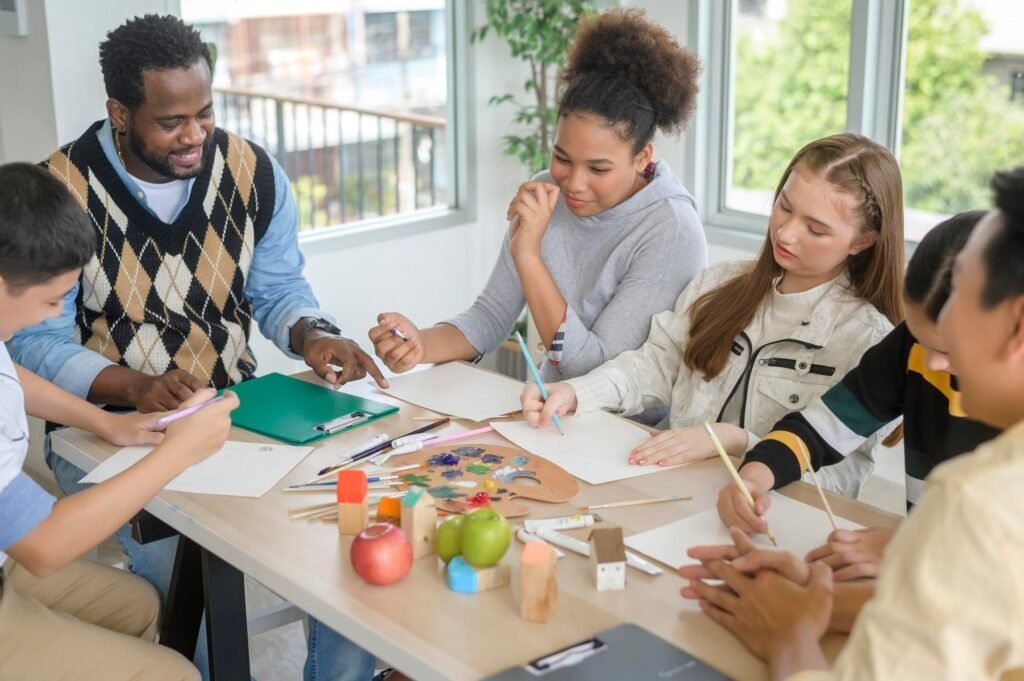
Embracing Diversity: The Essential Role of Cultural Sensitivity in Coaching Gifted Youth
Gifted teens often feel like they’re juggling a world of expectations. Add cultural differences to the mix, and the challenge grows. But here’s the truth: cultural sensitivity in gifted youth coaching isn’t just a nice-to-have—it’s essential. Imagine a space where understanding and respect fuel emotional growth, allowing every gifted teen to thrive. Picture a journey where diversity in education becomes a bridge, not a barrier. Ready to empower your gifted teen with the tools they need to flourish? Let’s explore how.
The Impact of Cultural Sensitivity
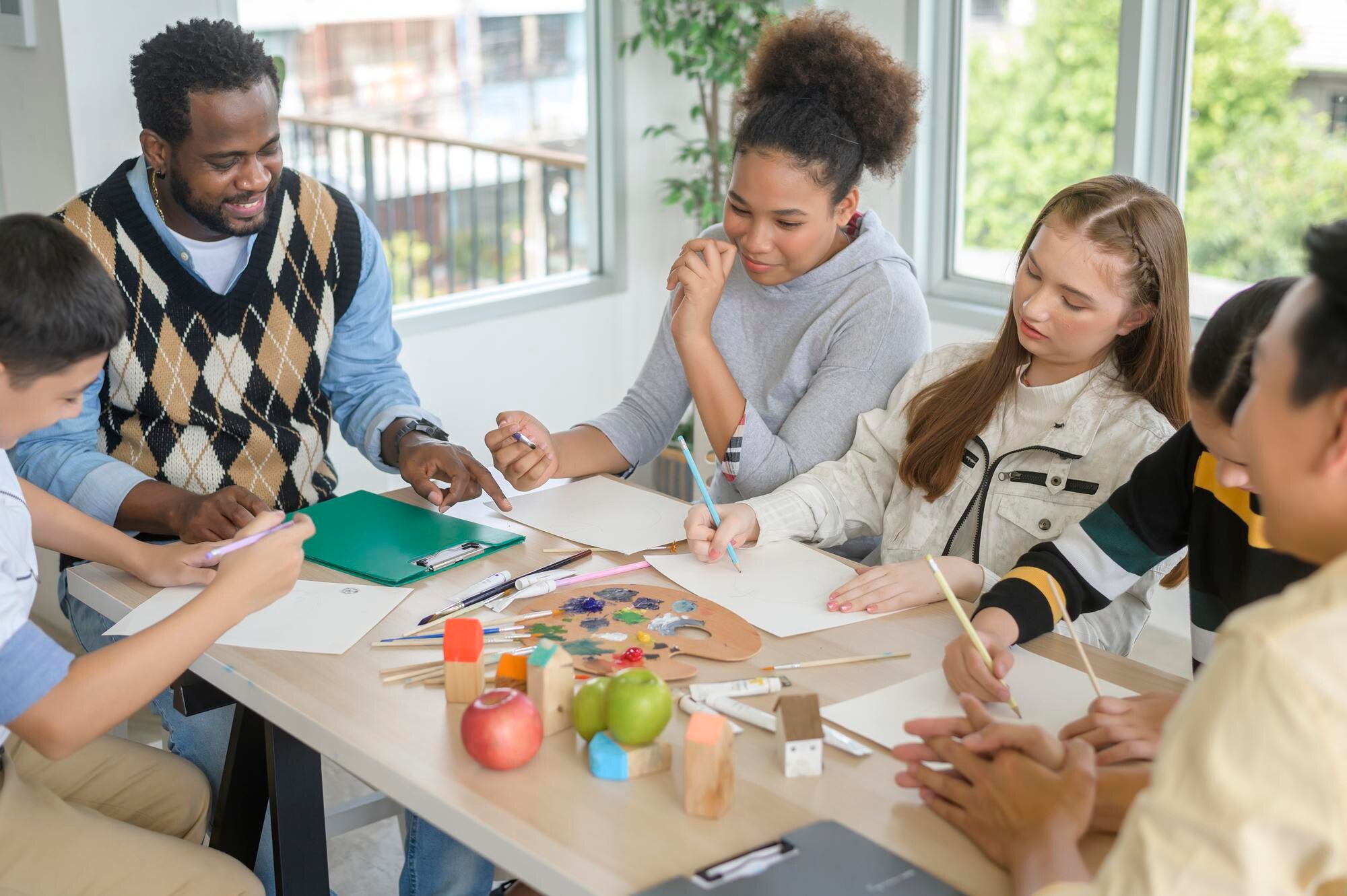
Cultural sensitivity plays a crucial role in coaching gifted youth, particularly for their emotional growth and overcoming cultural barriers. Understanding diverse backgrounds helps foster a nurturing environment that respects individual differences. Let’s delve into how cultural sensitivity impacts emotional and personal development.
Building Emotional Growth in Teens
Emotional growth is a pivotal aspect of a teen’s development. For gifted youth, who often face heightened expectations, cultural sensitivity can enhance this growth.
By incorporating cultural awareness into coaching practices, teens learn to navigate their emotions in a more informed way. This awareness can lead to improved self-esteem and confidence. A culturally sensitive approach validates their feelings and perspectives, encouraging them to express themselves freely.
One real-world example is a coaching program that integrates cultural narratives to help teens relate better to their emotions. Coaches, by recognizing cultural differences, can tailor their methods to suit individual needs. This helps in building a more profound connection between the teen and their coach.
A study published in the Journal of Advanced Academics highlights that teens participating in culturally aware programs show increased emotional intelligence. These programs emphasize empathy and understanding, crucial components of emotional growth.
Overcoming Cultural Barriers in Coaching
Cultural barriers can hinder effective coaching if not addressed appropriately. Identifying these barriers is the first step toward creating an inclusive coaching environment.
Coaches can begin by acknowledging the cultural backgrounds of their students. This involves understanding and respecting their cultural values and beliefs. Building trust is key, and coaches can achieve this by demonstrating genuine interest in the cultural histories of their students.
A practical example involves adapting coaching methods to include culturally relevant materials. This approach not only breaks down barriers but also makes learning more relatable and engaging for students.
The Maryland Educators Association provides resources for educators to develop culturally responsive classrooms, which is a step toward overcoming these barriers. By incorporating these strategies, coaches can create an environment where gifted teens feel understood and valued.
Strategies for Inclusive Coaching

Embracing diversity in education requires strategic efforts to ensure inclusivity in coaching practices. Tailoring approaches and fostering respect are key components of an inclusive coaching strategy.
Tailoring Approaches for Diverse Needs
Effective coaching involves adapting methods to meet the diverse needs of gifted youth. This personalization enhances learning outcomes and ensures that each student’s unique requirements are met.
Assessment of Needs: Begin by assessing the individual needs of each student. Understanding their strengths and challenges is essential.
Customized Learning Plans: Develop personalized learning strategies to address the specific needs identified.
Feedback and Adjustment: Regularly seek feedback from students and be willing to adjust methods as necessary.
An example of tailored coaching is the use of culturally significant stories to facilitate learning. Such approaches resonate well with students, making the learning process more meaningful.
The Empower World blog discusses the importance of cultural awareness in crafting personalized coaching strategies. Tailoring approaches to fit cultural contexts ensures that students are both engaged and motivated.
Fostering Respect and Understanding
Respect and understanding form the foundation of any inclusive coaching practice. Coaches need to create a space where students feel safe to express their cultural identities.
Fostering respect involves acknowledging and celebrating cultural diversity. This can be achieved through culturally sensitive communication and interactions.
To promote understanding, coaches should invest time in learning about different cultures. This knowledge can be employed to develop a cross-cultural dialogue, enhancing mutual respect.
As noted in Nariman Patel’s article on LinkedIn, fostering respect and understanding in coaching can lead to improved student outcomes. By valuing each student’s cultural background, coaches contribute to a more inclusive and supportive educational environment.
Empowering Parents and Educators

Parents and educators play a pivotal role in supporting gifted youth. Providing them with the right tools and creating a nurturing environment can significantly influence a child’s development.
Tools for Supporting Gifted Youth
To effectively support gifted youth, parents and educators require tools that emphasize cultural sensitivity and emotional growth.
Cultural Awareness Workshops: Attend workshops that focus on cultural sensitivity to gain insights into effective support strategies.
Communication Skills: Enhance communication skills to build a rapport with students, fostering a supportive relationship.
Resource Utilization: Utilize available resources, such as guides and toolkits, to better understand the unique challenges faced by gifted youth.
These tools are crucial for empowering both parents and educators to support their children effectively. Providing guidance and resources ensures that gifted youth receive the support they need to thrive.
Creating a Safe and Nurturing Environment
Creating a safe environment is essential for the emotional and personal growth of gifted youth. This involves establishing a supportive space where students feel encouraged to express themselves.
A nurturing environment is characterized by respect, empathy, and understanding. Educators and parents should focus on creating such spaces both at school and at home.
Consistent Support: Provide consistent emotional support to address the unique challenges faced by gifted youth.
Open Communication: Foster open communication to understand the needs and concerns of students better.
By creating a nurturing environment, parents and educators can significantly enhance the well-being and development of gifted youth. This approach promotes resilience and confidence, enabling students to achieve their full potential.
Join our upcoming webinar on ‘Cultural Sensitivity in Gifted Education’ to learn practical strategies for supporting diverse gifted teens. 🌟

A certified Heal Your Life® Coach with 20+ years in education and emotional development. Supports gifted teens in navigating anxiety, perfectionism, and identity challenges, while equipping parents with practical tools for lasting transformation. Sessions blend emotional healing, mindset mastery, and strategic empowerment.



