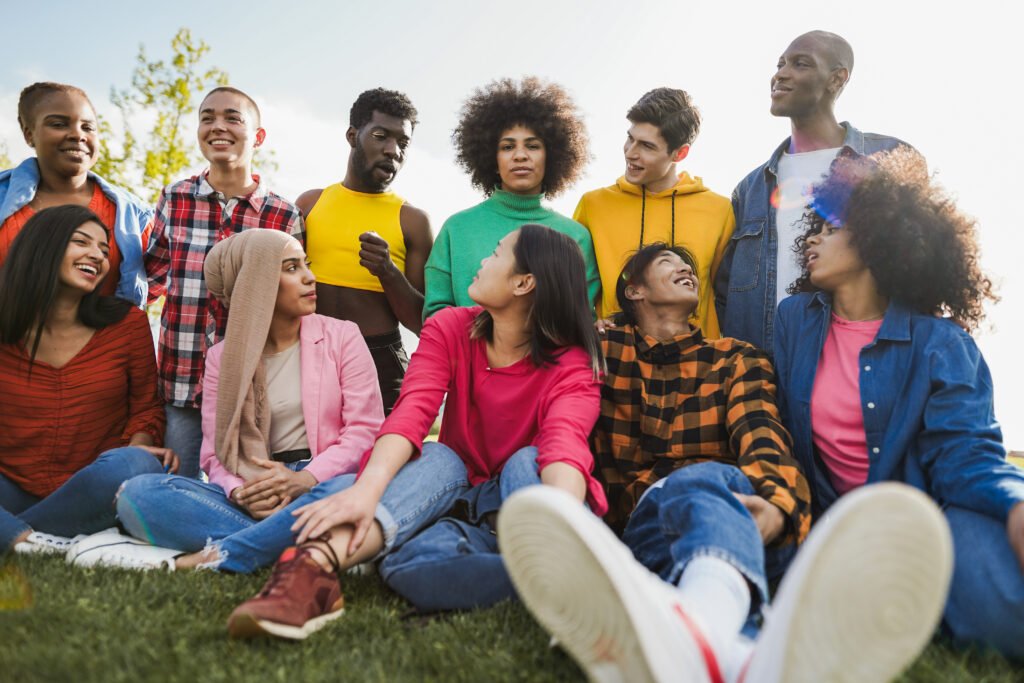
Group of diverse people having fun outdoor at city park - Diversity, lifestyle and multiracial community concept - Main focus on center african girl face
Embracing Diversity: The Importance of Cultural Sensitivity in Coaching Gifted Youth
Gifted youth face challenges that go beyond academics. Have you noticed your child struggling with emotional hurdles despite their bright mind? You’re not alone. Cultural sensitivity in coaching isn’t just a buzzword—it’s a key to unlocking emotional intelligence and personal growth. Imagine a world where your gifted teen feels understood and empowered. Ready to explore how embracing diversity can transform their journey? Let’s dive into the role of cultural sensitivity in nurturing these young talents. Explore more.
Understanding Cultural Sensitivity
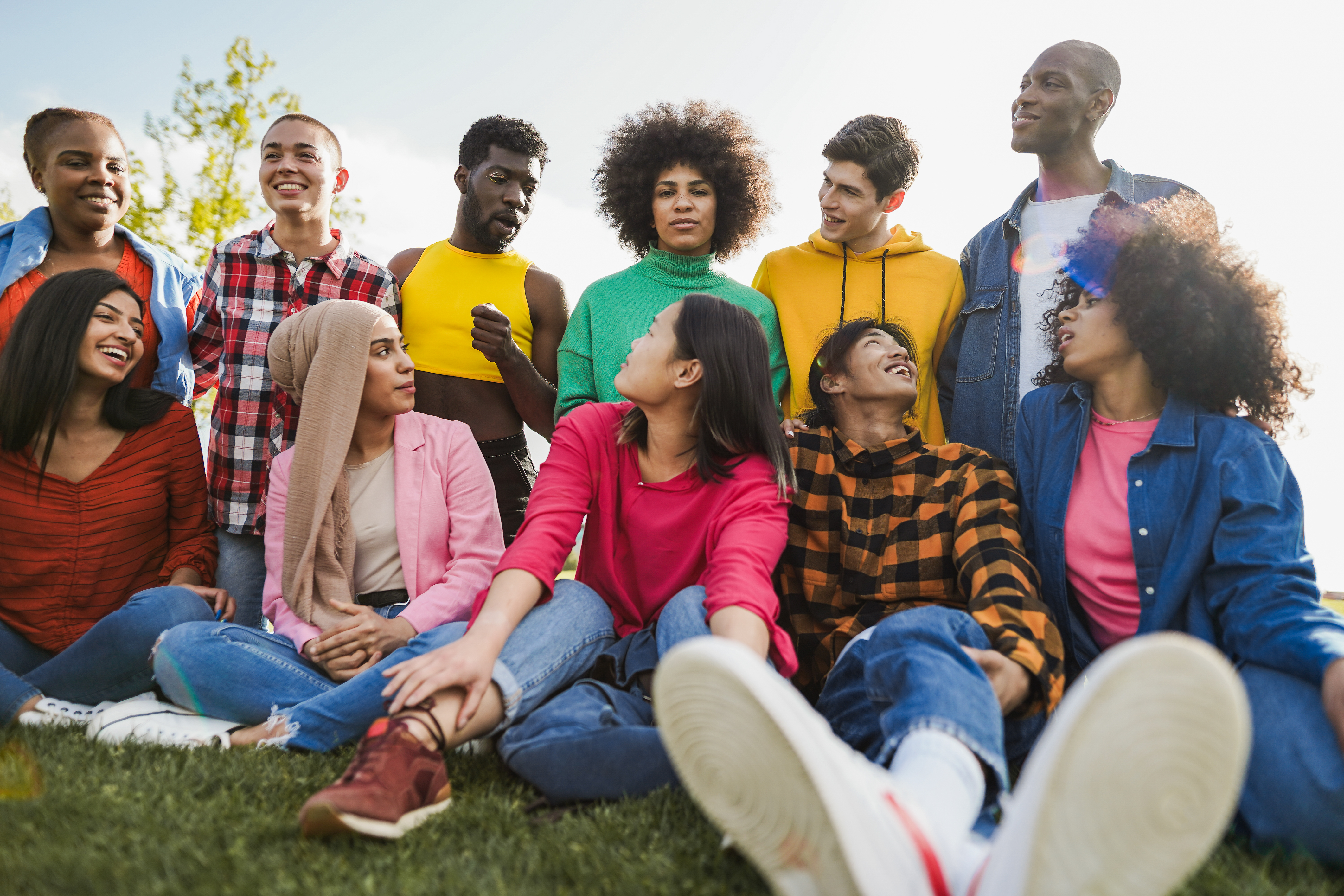
Cultural sensitivity is more than just an awareness of differences—it’s about valuing these differences to foster emotional intelligence and personal growth in gifted youth. By recognizing the diverse perspectives of individuals, we can create an inclusive environment that nurtures understanding and empathy.
Recognizing Unique Perspectives
Understanding different cultures requires recognizing the unique perspectives that shape behaviors and beliefs. This involves acknowledging the diversity that exists within every classroom and coaching environment. By doing so, we open the door to greater empathy and understanding, which are essential for effective coaching.
Cultural Awareness: Start by educating yourself about various cultures. This can involve reading, attending cultural events, or engaging in conversations with people from diverse backgrounds.
Active Listening: Encourage open dialogues and listen without prejudice. This builds trust and shows respect for individual perspectives.
Adaptability: Be willing to adapt your coaching methods to better suit the cultural context of the youth you are mentoring.
For more insights on cultural sensitivity, explore this blog post.
Building Emotional Intelligence in Teens
Emotional intelligence is a crucial skill for gifted teens navigating a complex world. Cultural sensitivity plays a vital role in developing this skill, allowing teens to manage their emotions and build healthier relationships.
Self-awareness: Encourage teens to reflect on their emotions and understand how their cultural background influences their feelings and reactions.
Empathy: Foster the ability to understand and share the feelings of others, regardless of cultural differences. This builds stronger, more empathetic relationships.
Social Skills: Teach effective communication and conflict resolution skills within a multicultural context.
For a comprehensive guide on culturally responsive practices, check out this resource.
Impact on Personal Growth

Embracing cultural diversity is pivotal for personal growth in gifted youth. It fosters resilience and empowers both parents and educators to support these young minds more effectively.
Fostering Resilience Through Diversity
Diversity challenges individuals to adapt and grow, building resilience in the process. When gifted youth are exposed to a variety of cultural perspectives, they develop coping strategies that enhance their personal growth.
Adaptability: Diverse experiences teach flexibility and adaptability, essential traits for overcoming challenges.
Problem-solving: Exposure to different ways of thinking enhances creativity and problem-solving skills.
Confidence: Successfully navigating a diverse environment boosts self-esteem and confidence.
For an in-depth exploration of these ideas, visit this link.
Empowering Parents and Educators
Parents and educators play a critical role in fostering an inclusive environment that supports personal growth. By embracing cultural sensitivity, they can create a nurturing space for gifted youth to thrive.
Education: Provide training and resources to help parents and educators understand and appreciate cultural diversity.
Collaboration: Encourage collaborative efforts between parents, educators, and the community to support gifted youth.
Support Systems: Develop support systems that celebrate diversity and promote personal growth.
Explore strategies for empowering educators through this research.
Strategies for Effective Coaching

Effective coaching requires creating inclusive environments and using tools that promote cultural awareness and sensitivity. These strategies ensure that gifted youth receive the support they need to flourish.
Creating Inclusive Environments
Creating an inclusive environment is fundamental for coaching gifted youth. It involves more than just acknowledging differences; it’s about celebrating them and ensuring every individual feels valued.
Cultural Representation: Ensure that cultural diversity is reflected in the teaching materials and activities used in coaching sessions.
Inclusive Language: Use language that respects and acknowledges different cultural backgrounds.
Safe Spaces: Create environments where gifted youth feel safe to express their cultural identities.
Tools for Cultural Awareness and Sensitivity
To effectively coach gifted youth, it’s important to equip yourself with tools that enhance cultural awareness and sensitivity. These tools facilitate understanding and promote an inclusive coaching atmosphere.
Cultural Competency Training: Participate in workshops and training sessions focused on building cultural competency.
Feedback Mechanisms: Implement feedback systems that allow gifted youth to share their experiences and perspectives.
Resource Libraries: Create a library of resources that celebrate cultural diversity and can be accessed by both educators and students.
By integrating these strategies into your coaching practice, you can better support the personal growth of gifted youth and empower them to reach their full potential. 🌟

A certified Heal Your Life® Coach with 20+ years in education and emotional development. Supports gifted teens in navigating anxiety, perfectionism, and identity challenges, while equipping parents with practical tools for lasting transformation. Sessions blend emotional healing, mindset mastery, and strategic empowerment.



