
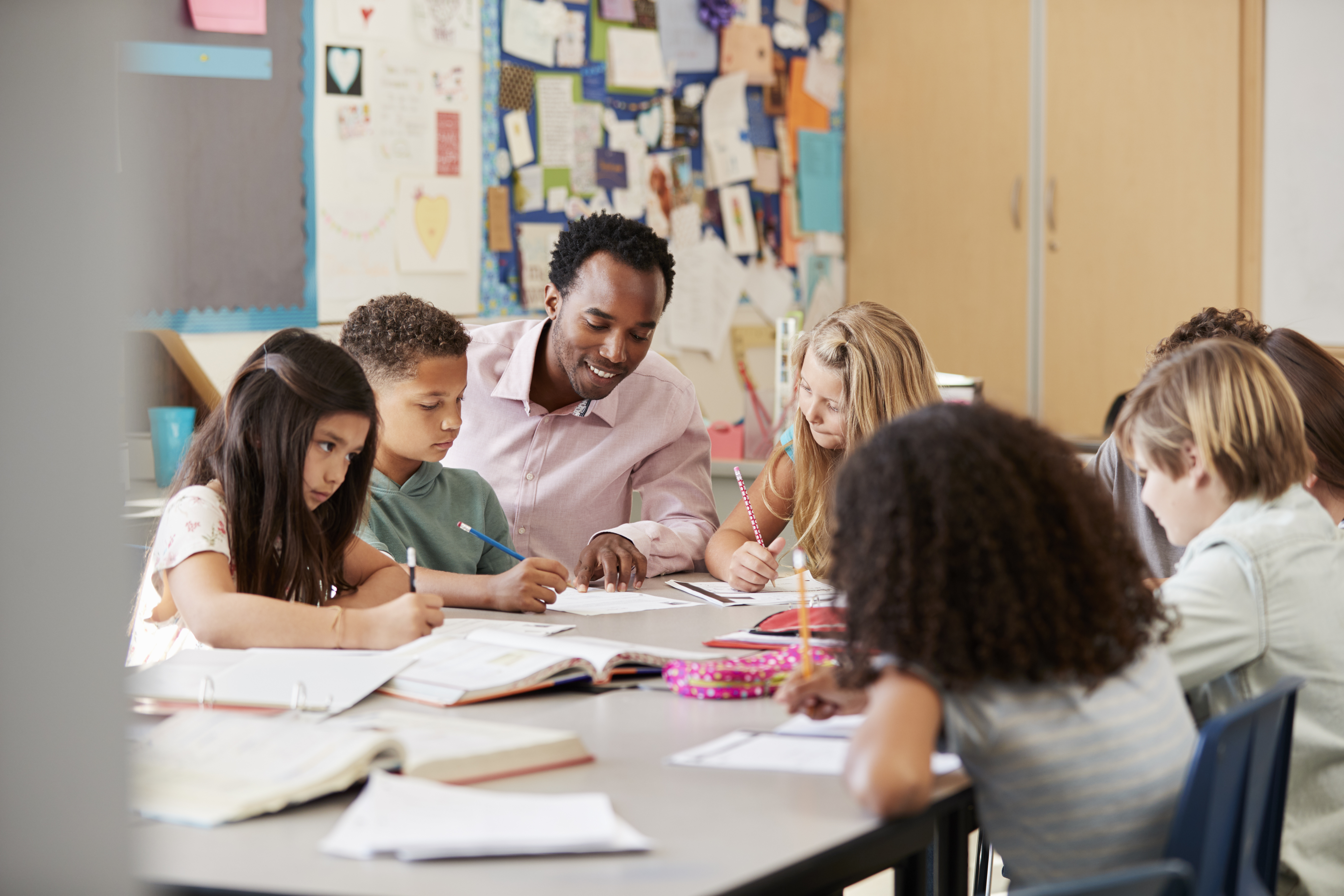
Female High School Tutor Sitting At Table With Pupils Teaching Maths Class
Empowering Educators: Top Strategies to Foster Resilience and Confidence in Gifted Students
Gifted students often face challenges that go beyond academics. They might struggle with anxiety, perfectionism, and feeling misunderstood. As an educator, you play a crucial role in shaping their emotional and mental well-being. This blog post offers practical strategies to help you foster resilience and confidence in your gifted students. You’ll gain insights that empower you to support their emotional growth, ensuring they shine both in the classroom and in life. Ready to make a lasting impact? Let’s explore together.
Building Resilience in Gifted Students

Gifted students often need support to develop resilience, allowing them to handle academic and emotional challenges effectively. This section explores two key strategies: recognizing emotional triggers and encouraging a growth mindset. By understanding these elements, educators can better support gifted students’ emotional and educational needs.
Recognizing Emotional Triggers
Understanding emotional triggers is crucial in supporting gifted students. Emotional triggers are events or circumstances that cause significant emotional responses. Educators can help students identify these triggers by observing their reactions in different scenarios.
Common triggers include criticism, failure, and social rejection. These can lead to anxiety or withdrawal. Recognizing these can prevent overreaction and promote emotional management.
One approach is keeping a journal. Students can log events and their emotional responses. Patterns often emerge, helping students anticipate and manage emotions better.
Real-world example: A student feels anxious presenting in class. The teacher notices and discusses it openly, helping the student identify this situation as a trigger. This awareness leads to strategies like rehearsal or relaxation techniques, gradually reducing anxiety.
Encouraging a Growth Mindset
Encouraging a growth mindset helps students view challenges as opportunities to learn rather than threats. This mindset fosters resilience, enabling students to face setbacks with positivity.
Model a growth mindset by sharing personal experiences of overcoming challenges. This approach normalizes the learning process and encourages students to persevere.
Use positive reinforcement to highlight efforts, not just outcomes. Praise the process, such as hard work and dedication, rather than innate talent.
Introduce concepts gradually. Use real-world examples where persistence led to success, emphasizing that skills and intelligence can grow with effort.
A case study: A gifted student struggles with math. With encouragement to adopt a growth mindset, they start viewing mistakes as learning opportunities. This change in perspective results in improved performance and increased confidence.
Boosting Confidence in the Classroom

Confidence is essential for gifted students to express themselves and engage fully in their education. In this section, we’ll discuss the importance of celebrating small achievements and promoting self-advocacy skills, both crucial for building confidence in gifted learners.
Celebrating Small Achievements
Celebrating small achievements can significantly boost a student’s confidence. Acknowledging incremental progress helps maintain motivation and reinforces positive behavior.
Create a system to track progress. Even small milestones should be noted and celebrated. This reinforces the idea that all progress is valuable.
Use public acknowledgment wisely. Highlight achievements in class to inspire peers, fostering a supportive environment.
Example: A student shows progress in a challenging subject. The teacher can send a note home or provide verbal praise, reinforcing the student’s self-worth and encouraging further effort.
Promoting Self-Advocacy Skills
Self-advocacy empowers students, giving them a voice in their education. By learning to articulate their needs, students gain confidence and become active participants in their learning.
Teach communication skills: Help students express their thoughts clearly and respectfully. Role-play scenarios can provide practical experience.
Encourage students to set personal goals. This promotes ownership and self-reflection, essential for self-advocacy.
Support students in seeking help. Encourage them to ask questions and seek clarification, reinforcing that doing so is part of the learning process.
A teacher shares: “Encouraging students to express their needs led to increased engagement and self-assurance in class.”
Effective Educational Strategies
Educational strategies tailored to gifted students can enhance their emotional and academic growth. This section highlights the importance of tailoring emotional support and integrating mindfulness practices into their routines.
Tailoring Emotional Support
Emotional support should be personalized to meet the unique needs of each gifted student. By understanding individual emotional landscapes, educators can provide more effective support.
Establish open communication. Encourage students to share their feelings and experiences, fostering a trusting relationship.
Use empathy to connect with students. Understand their perspective and validate their feelings, which helps build trust and rapport.
Collaborate with parents. Regular communication ensures a consistent support system both at school and home.
For further insights, visit https://www.nagc.org/news/developing-resilience-in-gifted-students.
Integrating Mindfulness Practices
Mindfulness practices offer effective tools for managing stress and improving focus. Integrating these practices into the educational environment can benefit gifted students immensely.
Introduce simple breathing exercises. Encourage students to take a few moments each day to focus on their breath, reducing stress and increasing concentration.
Incorporate mindfulness into daily routines. Begin classes with a short meditation or reflective exercise to enhance focus and calm.
Use mindfulness apps or resources. Many available resources can guide students through mindfulness practices, offering variety and engagement.
Explore more about these strategies at https://www.genieacademy.com/blog/teaching-gifted-students.
For a deeper understanding, see this resource and learn more about addressing the social-emotional needs of gifted students at this link.

A certified Heal Your Life® Coach with 20+ years in education and emotional development. Supports gifted teens in navigating anxiety, perfectionism, and identity challenges, while equipping parents with practical tools for lasting transformation. Sessions blend emotional healing, mindset mastery, and strategic empowerment.



