
Empowering Gifted Students: Key Strategies to Foster Resilience and Confidence
Gifted students often face a world of expectations, yet many struggle silently with self-doubt and anxiety. As educators, your role is crucial in guiding these bright minds through their emotional landscape. Discover how simple shifts in your approach can help foster resilience and build confidence, enhancing both their emotional and academic growth. Ready to transform your gifted education strategy? Let’s explore effective educator strategies that provide emotional support for gifted students. Join our upcoming workshops to learn more about empowering gifted students in your classroom. Learn more here.
Nurturing Resilience in Gifted Students

Nurturing resilience in gifted students involves creating environments where they feel safe to express themselves and develop emotional intelligence. These strategies are essential for their emotional well-being and academic success. By fostering resilience, educators can help gifted students navigate challenges more effectively and build a strong foundation for future growth.
Creating Safe Spaces for Expression
Creating a safe space for expression is crucial for gifted students. It encourages them to share their thoughts and feelings without fear of judgment. A supportive environment allows students to explore their identities and develop self-awareness.
Set clear expectations: Establish classroom norms that promote respect and understanding.
Encourage open dialogue: Invite students to share their experiences and thoughts, fostering a sense of community.
Provide diverse outlets: Offer various forms of expression, such as art, writing, or music, to cater to different preferences.
For instance, a teacher might set aside time each week for students to express their thoughts creatively. This approach not only supports emotional growth but also enhances their confidence and resilience. For more insights, visit this resource.
Encouraging Emotional Intelligence
Emotional intelligence is a key component of resilience. Teaching gifted students to understand and manage their emotions can significantly impact their ability to handle stress and setbacks.
Introduce emotional vocabulary: Help students articulate their feelings with precise language.
Model emotional regulation: Demonstrate how to respond to emotions healthily and constructively.
Incorporate SEL activities: Use social-emotional learning exercises to develop empathy and self-regulation.
A case study from a middle school showed that integrating SEL activities led to improved emotional awareness among gifted students. They reported feeling more confident in navigating complex emotions. Explore this article for detailed strategies on fostering emotional intelligence.
Building Confidence through Support
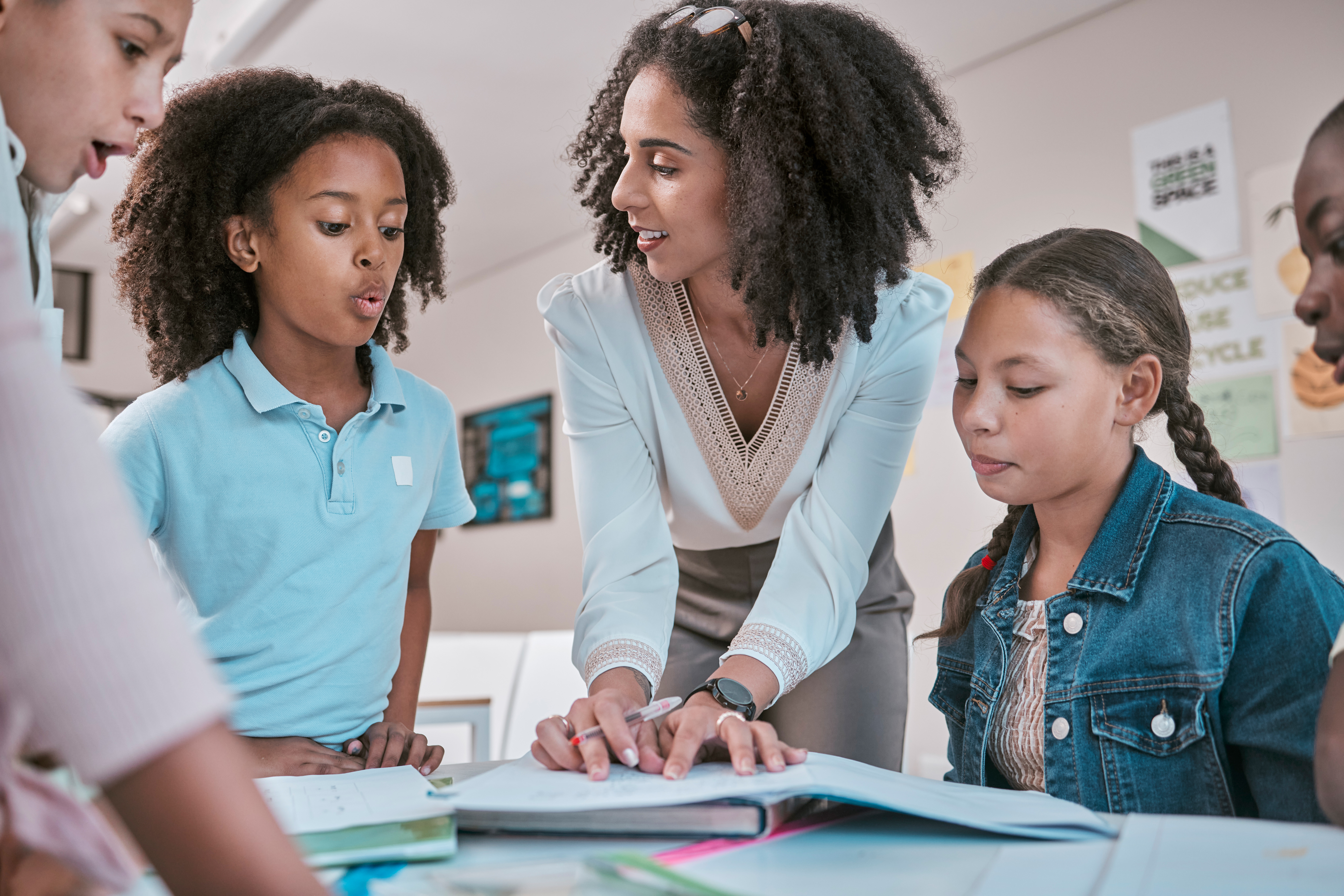
Building confidence in gifted students requires a balance of celebrating individual achievements and providing constructive feedback. These strategies ensure that students feel valued and understood, contributing to their overall self-esteem.
Celebrating Individual Achievements
Celebrating achievements is vital for boosting confidence in gifted students. Recognizing their efforts and successes reinforces their self-worth and motivates further growth.
Acknowledge personal milestones: Highlight each student’s unique accomplishments, no matter how small.
Create a recognition system: Implement awards or certificates to celebrate achievements.
Encourage peer recognition: Facilitate opportunities for students to praise each other’s accomplishments.
For example, a classroom might hold monthly award ceremonies recognizing students’ academic and extracurricular successes. This practice fosters a supportive environment and encourages students to strive for their best. Visit this blog for more ideas on celebrating achievements.
Providing Constructive Feedback
Constructive feedback is essential for guiding gifted students toward improvement while maintaining their confidence. Feedback should be specific, actionable, and supportive.
Focus on the process: Highlight effort and strategies rather than just outcomes.
Be specific and positive: Offer clear guidance while acknowledging strengths.
Encourage self-reflection: Prompt students to assess their work and identify areas for growth.
Educators can create a feedback loop that empowers students to take ownership of their learning. This approach builds resilience by framing challenges as opportunities for growth. For practical tips, check out this resource.
Effective Educator Strategies

Effective educator strategies involve tailoring individual learning plans and promoting peer collaboration. These approaches cater to gifted students’ unique needs, ensuring they receive the support necessary for both academic and emotional growth.
Tailoring Individual Learning Plans
Tailoring learning plans to gifted students’ needs helps them thrive academically. Personalized plans allow students to engage with challenging material at their own pace.
Assess individual strengths: Identify each student’s unique abilities and interests.
Set specific goals: Collaborate with students to establish clear, achievable objectives.
Adapt teaching methods: Use diverse instructional strategies to cater to different learning styles.
A high school implemented individualized learning plans and observed increased student engagement and achievement. Students reported feeling more motivated and supported. For more on individual learning strategies, see this article.
Promoting Peer Collaboration
Peer collaboration enhances gifted students’ learning by fostering communication and teamwork. Collaborative activities encourage students to share ideas and learn from one another.
Create group projects: Design tasks that require teamwork and diverse skills.
Facilitate peer mentoring: Pair students to support each other’s learning.
Encourage diverse perspectives: Promote discussions that include different viewpoints.
In one classroom, peer collaboration led to improved problem-solving skills and increased confidence in students’ abilities. This approach encourages resilience by demonstrating the value of teamwork. Discover more about promoting collaboration at this link.
With these strategies, educators can effectively support the emotional and academic development of gifted students, fostering resilience and confidence. 🌟

A certified Heal Your Life® Coach with 20+ years in education and emotional development. Supports gifted teens in navigating anxiety, perfectionism, and identity challenges, while equipping parents with practical tools for lasting transformation. Sessions blend emotional healing, mindset mastery, and strategic empowerment.



