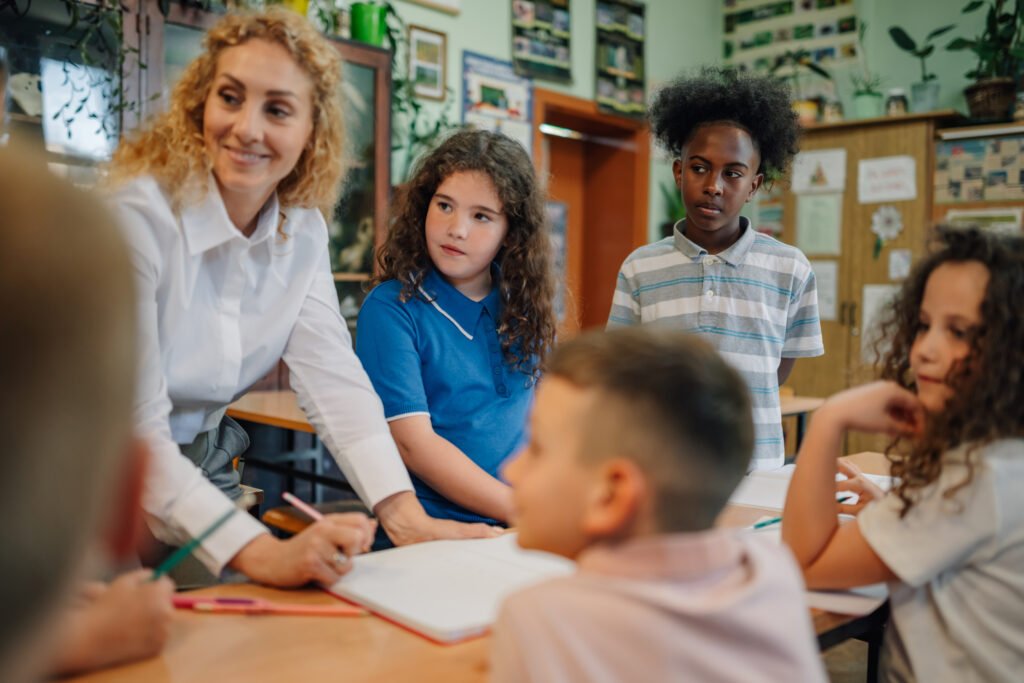
Elementary school students listening attentively to their teacher during a lesson in the classroom
Empowering Gifted Students: Strategies for Educators to Build Resilience and Confidence
Gifted students face a unique set of emotional hurdles. Their brilliance often comes with anxiety, pressure, and self-doubt. But imagine a classroom where these challenges transform into resilience and confidence. This is where the right educational strategies play a crucial role. In this guide, you’ll uncover practical approaches to support these exceptional minds in thriving emotionally. Whether you’re an educator or a parent, these insights will empower you to make a lasting impact on their journey. Ready to foster growth and resilience? Let’s dive in. Learn more about building resilience in gifted students.
Understanding Gifted Students
Gifted students often navigate a complex landscape of emotional hurdles. Their exceptional abilities can lead to unique challenges that require careful attention and understanding. To support them effectively, educators and parents need to grasp the intricacies of these challenges.
Emotional Challenges Faced
Gifted students frequently face emotional challenges that can impede their growth. High sensitivity and intense emotions are common traits. These students may feel overwhelmed by their environment and peers.
For parents and educators, recognizing these emotional dynamics is crucial. Understanding that these students may require different approaches can help them thrive. It’s important to acknowledge that their feelings of isolation are not uncommon.
Strategies to manage emotional challenges include fostering open communication and creating a safe space for expression. Encouraging students to articulate their feelings can help alleviate their emotional burden. See more on this here.
Pressure and Perfectionism
Gifted students often experience pressure, sometimes self-imposed, leading to perfectionism. Striving for perfection can be detrimental, causing stress and burnout. Perfectionism is a double-edged sword, driving achievement but also anxiety.
Educators can help by setting realistic goals and emphasizing progress over perfection. By celebrating small victories, students learn that mistakes are opportunities for growth.
Parents can play a pivotal role by modeling healthy responses to failure and instilling a balanced perspective. Encouraging a growth mindset, as suggested here, can be transformative.
Self-Doubt and Anxiety
Despite their abilities, many gifted students grapple with self-doubt and anxiety. Impostor syndrome is prevalent, where students fear being “found out” as inadequate. This can stifle creativity and risk-taking.
Educators can address these feelings by fostering a supportive classroom environment. Highlighting each student’s strengths and contributions can bolster confidence.
Providing opportunities for students to engage in collaborative projects can also reduce anxiety. Working with peers shows them they are not alone in their struggles. Read more on this here.
Strategies for Building Resilience
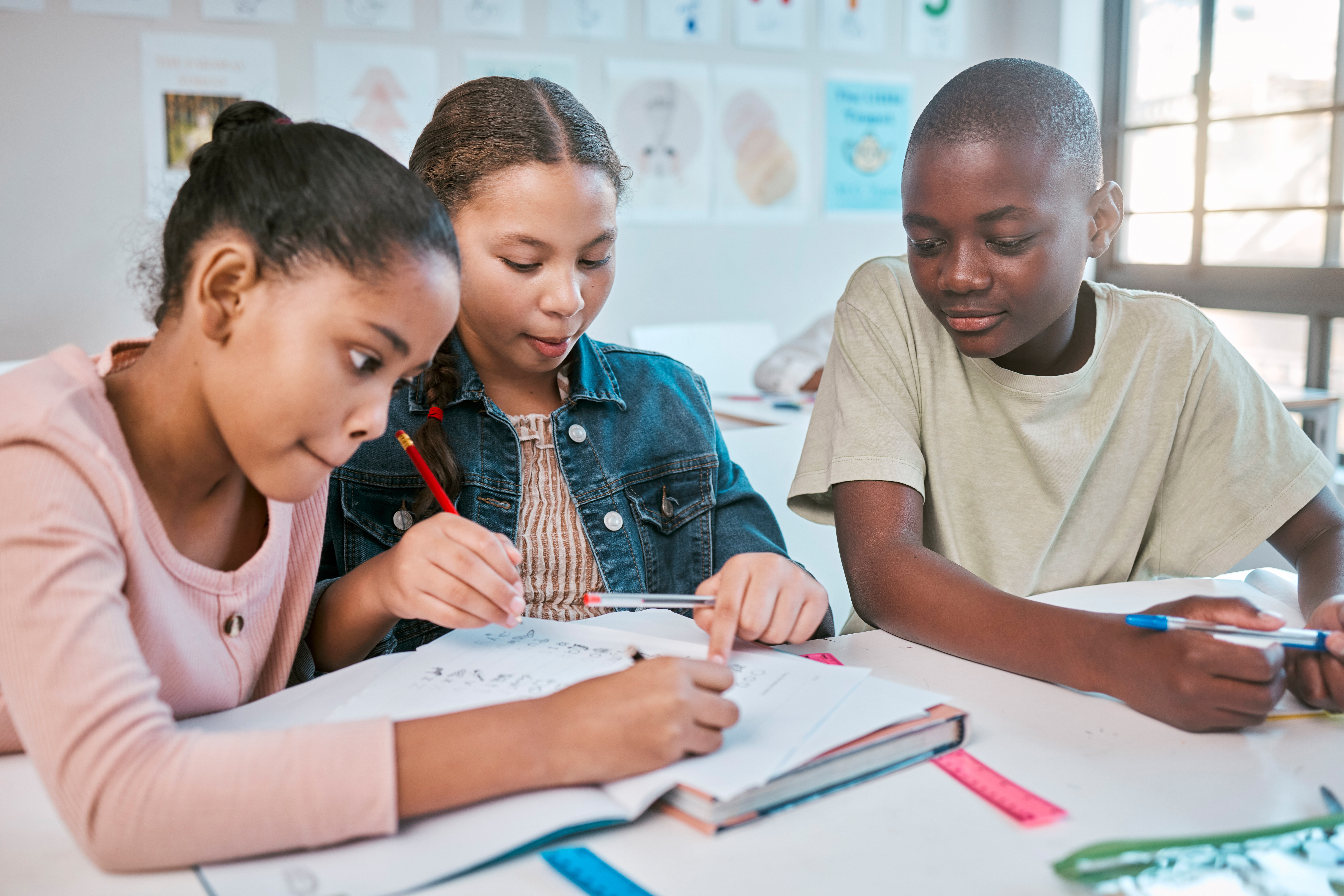
Building resilience in gifted students is essential for their emotional well-being. Educators and parents can employ several strategies to help develop this crucial skill. These strategies are aimed at fostering a supportive and empowering environment.
Encouraging Growth Mindset
A growth mindset encourages students to see challenges as opportunities. Believing in the power of effort can change how students perceive failure.
Introduce the concept of “yet” when students express doubt about their abilities. This simple word can shift their mindset from fixed to growth-oriented.
Provide examples of famous individuals who overcame failure. This gives students real-world perspectives on perseverance.
Reinforce the value of persistence and learning from mistakes. As students internalize these beliefs, their resilience grows.
Explore more on growth mindset strategies here.
Providing Emotional Support
Emotional support is vital for gifted students’ development. Active listening and empathy form the bedrock of emotional support.
Educators can establish trusting relationships by being attentive and approachable. When students feel heard, they are more likely to express their concerns.
Parents should also be involved, creating a network of support. Encouraging open discussions about emotions at home can reinforce the support students receive at school.
Cultivating Self-Confidence
Building self-confidence in gifted students requires deliberate effort. Recognizing achievements helps boost self-worth. Celebrating both big and small successes reinforces their value.
Provide opportunities for leadership roles within the classroom. This empowers students and builds confidence in their abilities.
Encourage self-reflection through journals or discussions. This helps students understand their strengths and areas for improvement.
Foster an environment where students feel safe to take risks without fear of judgment.
For additional insights, visit this resource.
Practical Tools for Educators

Educators play a pivotal role in nurturing gifted students’ resilience. Practical tools and strategies are essential for creating an environment where these students can thrive.
Creating a Supportive Environment
A supportive classroom environment is key to fostering resilience. Inclusion and understanding are fundamental.
Incorporate differentiated instruction to meet diverse learning needs. This allows students to engage with material at their level.
Introduce mindfulness practices to help students manage stress and focus.
Use collaborative learning to foster peer support and teamwork.
Engaging Parents in the Process
Parents are integral to a gifted student’s success. Collaborative communication between educators and parents ensures consistency in support.
Encourage regular meetings to discuss student progress and address concerns. This keeps both parties informed and involved.
Provide resources for parents to continue support at home. Shared strategies reinforce learning and emotional growth.
Leveraging VK Creative Circle Resources
VK Creative Circle offers valuable resources for educators supporting gifted students. Workshops and coaching focus on emotional healing and high-performance coaching.
Attend workshops to learn innovative teaching strategies.
Access personalized coaching for tailored support.
Utilize resources to integrate emotional development into the curriculum.
Educators can significantly enhance their skills and impact by integrating these resources. For more information, visit VK Creative Circle.
By implementing these strategies and utilizing available resources, educators can make a profound difference in the lives of gifted students. 🌟

A certified Heal Your Life® Coach with 20+ years in education and emotional development. Supports gifted teens in navigating anxiety, perfectionism, and identity challenges, while equipping parents with practical tools for lasting transformation. Sessions blend emotional healing, mindset mastery, and strategic empowerment.



