
Empowering Gifted Students: Strategies for Educators to Foster Resilience and Confidence
Gifted students often face unique challenges that can leave them feeling overwhelmed and misunderstood. You know the potential they hold, but guiding them through emotional hurdles is no easy task. Imagine turning those struggles into stepping stones for growth and resilience. This blog will equip you with practical strategies to uplift gifted students, boosting their confidence and emotional well-being. Let’s dive into the tools that will empower both you and your students on this rewarding journey. Explore our workshops and courses to deepen your impact. Learn more about building resilience in gifted students.
Building Resilience in Gifted Students
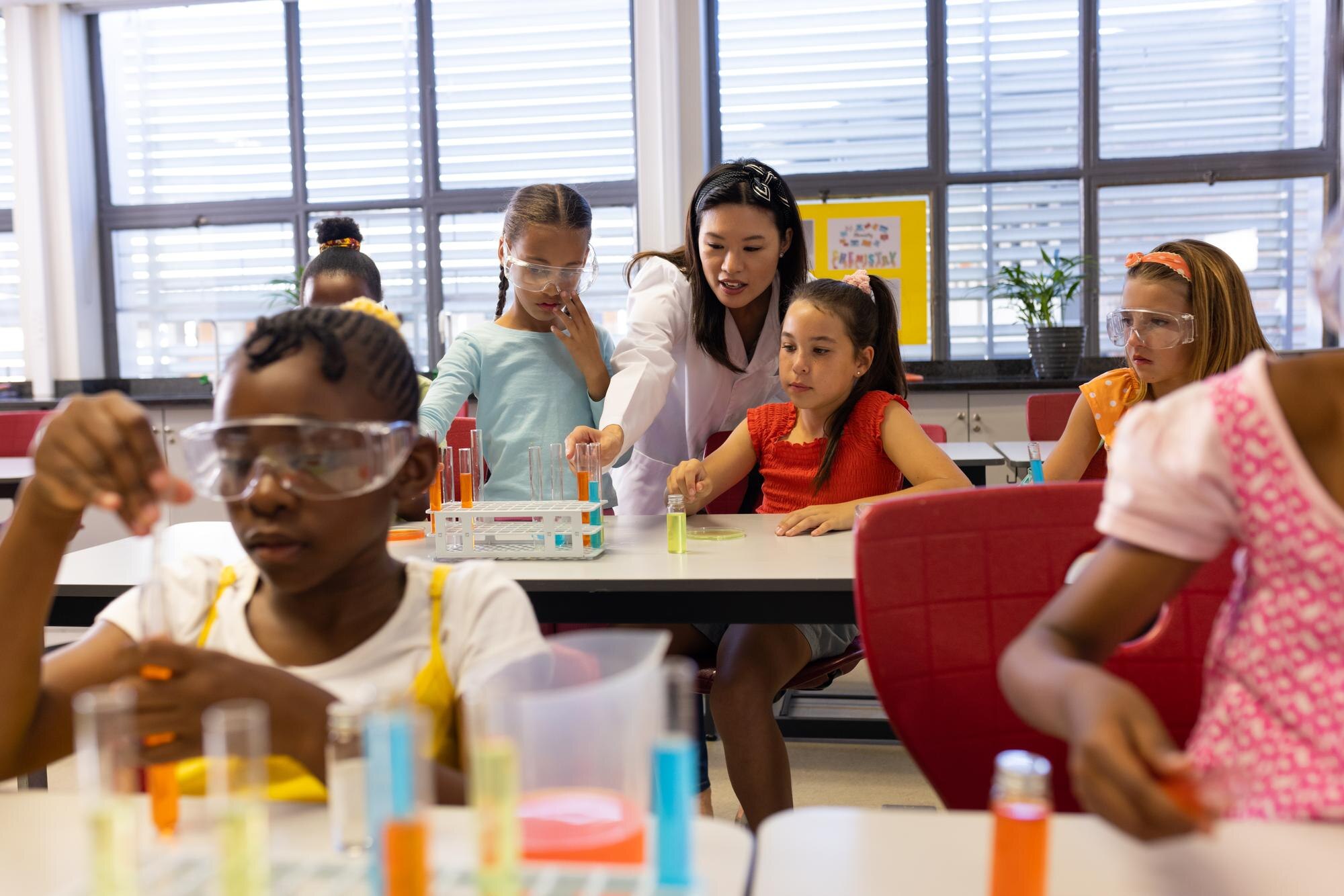
Gifted students often struggle with emotional challenges stemming from high expectations and perfectionism. Building resilience can empower them to face these challenges with confidence. By creating a supportive environment, encouraging a growth mindset, and providing emotional support, educators can significantly enhance the resilience of gifted students. These strategies are aimed at helping students not only cope with difficulties but also thrive despite them.
Creating a Supportive Environment
A supportive environment is crucial for the development of resilience in gifted students. It involves understanding their unique needs and providing an atmosphere where they feel safe to express themselves. This can be achieved by maintaining open lines of communication and encouraging exploration without fear of failure.
Teachers should foster a classroom culture where students are encouraged to take risks. Acknowledge effort and persistence, rather than just success. This helps students view challenges as opportunities to learn rather than obstacles.
Incorporating flexible learning options allows students to explore their interests deeply. Providing opportunities for self-directed projects can further develop their autonomy and resilience. For more strategies, explore resources from ESCCO.
Encouraging Growth Mindset
Adopting a growth mindset can significantly benefit gifted students. A growth mindset emphasizes the value of effort and perseverance. Educators can promote this by modeling resilience themselves and by praising students’ efforts and strategies over inherent ability.
Teach students about the brain’s ability to grow and change through effort. This can be empowering and demystifying for students who often equate ability with inherent intelligence.
Encourage students to reflect on their learning processes and setbacks. This reflection helps them internalize that setbacks are part of growth.
Provide specific feedback that focuses on strategies used and efforts made. This reinforces the idea that success is not fixed but can be developed over time.
For more insights, check out Genie Academy’s blog.
Providing Emotional Support
Gifted students often need additional emotional support to manage stress and anxiety. Emotional support involves active listening and creating a safe space for students to express their concerns.
Educators should be observant of any signs of emotional distress. Offering regular check-ins can help identify issues early and provide necessary interventions. Validate their feelings and remind them that it’s okay to experience a range of emotions.
Incorporating social-emotional learning (SEL) activities into the curriculum can also aid in emotional development. SEL activities help students understand and manage their emotions, leading to better resilience. For more information, visit Psychology Perspective.
Confidence Building Strategies

Confidence is key to helping gifted students reach their full potential. Through celebrating achievements, fostering self-advocacy, and developing problem-solving skills, educators can enhance their students’ confidence. These strategies empower students to believe in their abilities and express their needs effectively.
Celebrating Achievements
Celebrating achievements, big or small, can significantly boost a student’s confidence. It is important to recognize not just academic success but also personal growth and effort.
Create a classroom culture that celebrates achievement through regular acknowledgment of students’ efforts. Share success stories to inspire others and provide role models for students.
Host regular “celebration days” where students can share their achievements.
Encourage peer-to-peer recognition, where students appreciate each other’s successes.
Document achievements in a portfolio that students can reflect on over time.
These practices help students see their progress and foster a positive self-image. Explore more at NAGC.
Fostering Self-Advocacy
Fostering self-advocacy skills is essential for gifted students. Self-advocacy involves understanding and communicating one’s needs and strengths. Educators can guide students in developing these skills so they can articulate their needs effectively.
Begin by helping students identify their strengths and areas where they need support. Encourage them to express these needs in a constructive manner. Role-playing can be a useful tool to practice these communication skills.
Teach students to set personal goals and develop a plan to achieve them.
Provide opportunities for students to lead discussions or projects, encouraging them to voice their thoughts and ideas.
Use real-world scenarios to practice advocacy skills in a safe environment.
Such strategies build students’ confidence in their abilities to handle challenges independently.
Developing Problem-Solving Skills
Problem-solving skills are crucial for confidence building. Effective problem-solving involves critical thinking and creativity. Educators can enhance these skills by providing opportunities for students to engage in complex, open-ended questions.
Integrate problem-solving activities into the daily curriculum. Encourage students to approach problems from different angles and consider multiple solutions. Use real-life scenarios to make problem-solving relevant and engaging for students.
Conduct group projects that require collaboration and innovative thinking.
Use puzzles and brainteasers to enhance logical reasoning skills.
Implement design thinking approaches to help students work through complex problems.
These activities challenge students, build their confidence, and prepare them for real-world situations.
Enhancing Educator Strategies

Educators play a pivotal role in nurturing gifted students’ resilience and confidence. By tailoring instructional approaches, promoting peer collaboration, and engaging in professional development, educators can create an environment conducive to growth. These strategies ensure that teaching methods are aligned with the unique needs of gifted students.
Tailoring Instructional Approaches
Tailoring instructional approaches involves adapting teaching methods to meet the diverse needs of gifted students. Differentiated instruction allows educators to provide appropriate challenges and support.
Use pre-assessments to understand students’ current knowledge and skills.
Incorporate project-based learning to cater to students’ interests and strengths.
Offer advanced materials or alternative assignments for students who master content quickly.
Such personalized approaches ensure all students are engaged and challenged at their level. For more tailored strategies, visit ESCCO.
Promoting Peer Collaboration
Peer collaboration can enhance learning and build social skills. Collaborative learning involves students working together to achieve common goals, fostering communication and teamwork.
Encourage group work that involves diverse perspectives and skills. Set clear objectives and roles within groups to ensure effective collaboration. Facilitate discussions to help students learn from each other and appreciate different viewpoints.
Use cooperative learning strategies like “think-pair-share” or “jigsaw” activities.
Create peer mentoring programs where students support each other.
Encourage students to engage in collaborative projects that require joint problem-solving.
These activities teach students the value of diverse perspectives and teamwork, enhancing their social and academic skills.
Engaging in Professional Development
Continuous professional development is crucial for educators working with gifted students. Professional development opportunities help educators stay informed about the latest strategies and research.
Attend workshops and courses focused on gifted education and emotional support.
Participate in professional learning communities to share experiences and strategies.
Stay updated with current research by reading educational journals and blogs.
For more professional development resources, explore NAGC and Genie Academy.
Engaging in these activities equips educators with the tools and knowledge to support the unique needs of gifted students effectively.

A certified Heal Your Life® Coach with 20+ years in education and emotional development. Supports gifted teens in navigating anxiety, perfectionism, and identity challenges, while equipping parents with practical tools for lasting transformation. Sessions blend emotional healing, mindset mastery, and strategic empowerment.



