Empowering Gifted Students: Top Strategies for Educators to Build Resilience and Confidence
Gifted students often face unique challenges that can leave them feeling overwhelmed and misunderstood. As an educator, you’ve seen them struggle with anxiety, perfectionism, and the pressure to succeed. But there’s hope. By focusing on tailored teaching strategies, you can help these students build resilience and confidence. This isn’t just about academic success—it’s about empowering them to flourish emotionally and mentally. Explore proven methods and watch your students transform into self-assured, resilient individuals.
Building Emotional Resilience
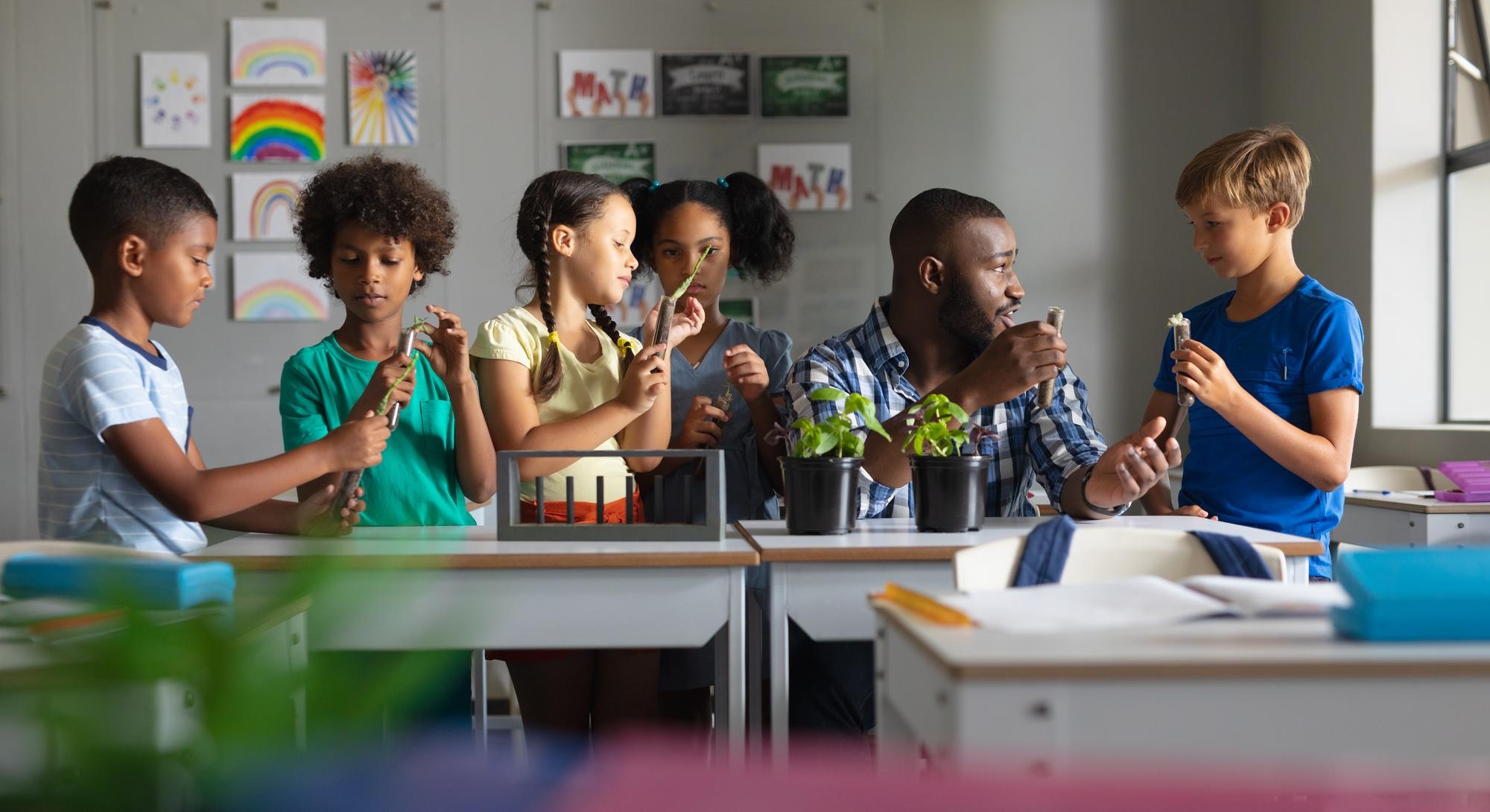
Helping gifted students develop emotional resilience is crucial. This section will explore strategies to build confidence and provide emotional support, ensuring students can handle challenges with strength and poise.
Teaching Strategies for Confidence Building
Confidence in gifted students often needs nurturing. Teachers can employ specific strategies to boost self-esteem. One approach is creating an environment where mistakes are seen as learning opportunities. This involves positive reinforcement and celebrating effort over perfection.
Set achievable goals: Break down tasks into manageable steps. This helps students experience success frequently.
Encourage self-reflection: Have students journal their progress. Reflecting on improvements can solidify their sense of achievement.
Use peer feedback: Constructive criticism from peers can be less intimidating and more relatable than adult feedback.
Real-world examples highlight the success of these strategies. In one case, introducing reflective journals led to a noticeable increase in student confidence. Students expressed feeling more in control of their learning journey.
Emotional Support Techniques for Educators
Providing emotional support is pivotal for educators working with gifted students. Techniques like active listening and empathy can create a safe space for students to express themselves.
Active listening: Shows students their feelings matter. This involves giving full attention, nodding, and summarizing their words to ensure understanding.
Empathy exercises: Role-playing different scenarios can help students appreciate diverse perspectives and develop empathy.
Mindfulness practices: Teach students breathing techniques to manage stress. Simple practices can calm anxiety and help focus.
A case study from Edmentum showed that incorporating mindfulness had a positive impact on students’ emotional regulation. Teachers reported fewer emotional outbursts and increased class participation.
Overcoming Perfectionism and Anxiety

Gifted students often grapple with perfectionism and anxiety. This section delves into encouraging a growth mindset and supporting self-compassion, essential tools for overcoming these challenges.
Encouraging a Growth Mindset
A growth mindset fosters resilience by teaching students that abilities can develop through dedication and hard work. Educators can play a significant role in promoting this mindset.
Praise effort, not talent: Reinforce the idea that hard work leads to success.
Model growth mindset language: Use language that emphasizes growth, like “not yet” instead of “fail.”
Share stories of overcoming obstacles: Highlight examples like famous inventors who faced failures but persisted.
Research from NAGC indicates that students with a growth mindset are more likely to embrace challenges and persist in the face of setbacks.
Supporting Self-Compassion and Acceptance
Supporting self-compassion involves teaching students to be kind to themselves. This can counteract perfectionist tendencies and reduce anxiety.
Normalize mistakes: Discuss how everyone makes mistakes and what can be learned from them.
Practice self-kindness: Encourage students to speak to themselves as they would a friend in distress.
Cultivate acceptance: Help students understand that self-worth isn’t tied to achievements.
A program highlighted by Genie Academy demonstrated that students who practiced self-compassion showed reduced anxiety and increased resilience.
Empowering Students Through Practical Tools

Empowerment comes from providing students with practical tools. This section discusses tailoring lessons to individual needs and effective communication.
Tailoring Lessons to Individual Needs
Customizing lessons is vital for meeting the diverse needs of gifted students. By recognizing their unique abilities, educators can foster a more engaging learning experience.
Conduct assessments: Identify strengths and areas for growth through regular assessments.
Differentiate instruction: Offer varied learning paths to cater to different interests and skill levels.
Incorporate student choice: Allow students to choose projects or topics that interest them.
The ESCCO highlights that personalized learning increases student motivation and engagement.
Effective Communication with Gifted Students
Communication is key to understanding and supporting gifted students. Effective dialogue helps build trust and openness.
Ask open-ended questions: Encourage deeper thinking and exploration of ideas.
Provide constructive feedback: Focus on specific areas for improvement with actionable advice.
Facilitate discussions: Promote peer interaction to enhance social skills.
A case study revealed that open communication channels led to students feeling more supported and understood, fostering a positive learning environment.
🌟💪📚

A certified Heal Your Life® Coach with 20+ years in education and emotional development. Supports gifted teens in navigating anxiety, perfectionism, and identity challenges, while equipping parents with practical tools for lasting transformation. Sessions blend emotional healing, mindset mastery, and strategic empowerment.



