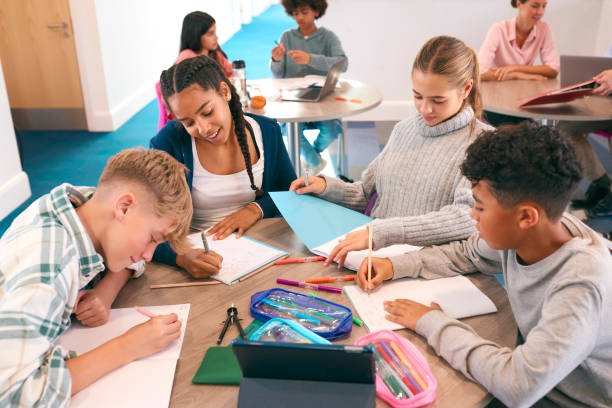
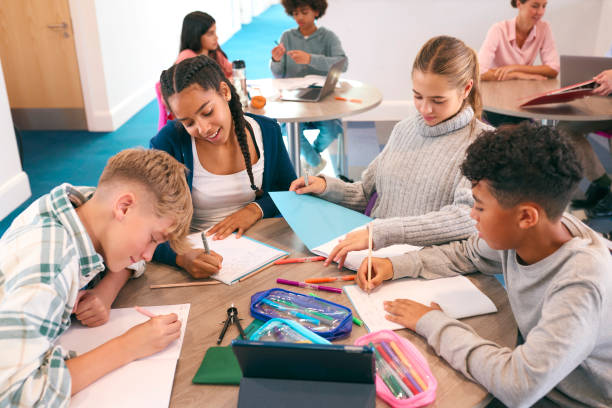
Secondary Or High School Students Collaborating In Study Area With Teachers In Background
Empowering Gifted Students: Top Strategies for Educators to Foster Resilience and Confidence
Gifted students face challenges that can dim their brilliance. You might see them struggle with anxiety or perfectionism, leaving them feeling overwhelmed. But what if you could change that? Imagine guiding these remarkable minds toward resilience and confidence, unlocking their true potential. This blog will offer you practical strategies in gifted education, focusing on resilience in students and confidence building. You’ll find valuable insights to foster emotional intelligence and gifted student support. Ready to transform lives? Let’s dive in. Explore our workshops and courses designed for educators like you.
Building Resilience in Gifted Students
Fostering resilience in gifted students is essential for their overall well-being and academic success. Resilience helps them navigate challenges without losing motivation or confidence. By understanding common obstacles such as perfectionism and emotional sensitivity, educators can better support these students. This section explores strategies to enhance resilience through emotional intelligence and self-awareness.
Understanding Perfectionism
Gifted students often struggle with perfectionism, feeling immense pressure to meet high expectations. This can lead to anxiety and self-doubt. Perfectionism is the belief that anything less than perfect is unacceptable. It can be paralyzing, preventing students from taking risks or trying new things.
Recognize the signs: Look for students who are overly critical of themselves or hesitant to start tasks for fear of making mistakes.
Encourage risk-taking: Frame mistakes as learning opportunities rather than failures.
Provide support: Offer reassurance and remind students that effort is more important than perfection.
Real-world example: In a classroom setting, teachers can create an environment where students feel safe to express their ideas without fearing judgment. This builds confidence and reduces the pressure of being perfect.
Cultivating Emotional Intelligence
Emotional intelligence is the ability to understand and manage one’s emotions. For gifted students, developing this skill is crucial to building resilience. By becoming more self-aware, they can better handle stress and interpersonal relationships.
Steps to cultivate emotional intelligence:
Teach self-awareness: Encourage students to reflect on their emotions and identify triggers.
Practice empathy: Use group activities to help students understand different perspectives.
Develop coping strategies: Introduce techniques like mindfulness or journaling to manage emotions.
Educators can implement lessons that focus on emotional vocabulary and role-playing scenarios. This helps students articulate their feelings and respond appropriately, reducing emotional overload.
Confidence Building Techniques

Confidence is vital for gifted students to reach their full potential. By fostering self-reflection and setting realistic goals, educators can help students build a strong sense of self-assurance. This section delves into effective techniques for boosting confidence.
Encouraging Self-Reflection
Self-reflection encourages gifted students to understand their strengths and weaknesses. It allows them to learn from experiences and improve continuously. Self-reflection is the practice of analyzing one’s thoughts and actions to gain insight.
Introduce journaling: Encourage students to write about their daily experiences and what they learned.
Facilitate discussions: Use class time to discuss personal challenges and successes openly.
Provide feedback: Offer constructive criticism that highlights strengths and areas of improvement.
For example, a teacher might ask students to reflect on a challenging project and what they could do differently next time. This promotes growth and confidence in their abilities.
Setting Achievable Goals
Setting goals gives gifted students a sense of direction and purpose. Achievable goals are specific, measurable, and within reach, preventing discouragement from setting unrealistic expectations.
Start small: Break down larger tasks into manageable steps.
Use SMART criteria: Ensure goals are Specific, Measurable, Achievable, Relevant, and Time-bound.
Celebrate achievements: Acknowledge progress to boost motivation.
A case study showed that students who set and achieved small goals were more confident in tackling larger challenges. Regular goal-setting sessions can help maintain focus and motivation in gifted learners.
Educator Strategies for Support

Supporting gifted students requires a proactive approach from educators. By creating safe spaces and promoting peer collaboration, teachers can provide a nurturing environment for personal and academic growth. This section highlights effective strategies for educators.
Creating Safe Spaces
Safe spaces allow gifted students to express themselves freely without fear of judgment. Creating a safe space involves establishing a classroom environment where all students feel respected and valued.
Set clear expectations: Establish norms for respectful communication and behavior.
Encourage openness: Foster an atmosphere where students are comfortable sharing ideas and feelings.
Be approachable: Make it easy for students to seek help or guidance.
In practice, a teacher might hold regular class meetings to discuss any concerns, reinforcing that the classroom is a supportive community.
Promoting Peer Collaboration
Collaboration helps gifted students develop social skills and learn from diverse perspectives. Peer collaboration is the process of working together to achieve common goals.
Assign group projects: Encourage teamwork on assignments to build cooperation skills.
Mix abilities: Pair students with different strengths for balanced teams.
Facilitate group discussions: Use peer feedback to enhance learning.
According to Edmentum, collaborative learning environments lead to higher engagement and a sense of belonging among students.
By implementing these strategies, educators can effectively support gifted students, enhancing their emotional and academic outcomes. For more insights, explore resources from Genie Academy, ESCCO, and Gifted Challenges.

A certified Heal Your Life® Coach with 20+ years in education and emotional development. Supports gifted teens in navigating anxiety, perfectionism, and identity challenges, while equipping parents with practical tools for lasting transformation. Sessions blend emotional healing, mindset mastery, and strategic empowerment.