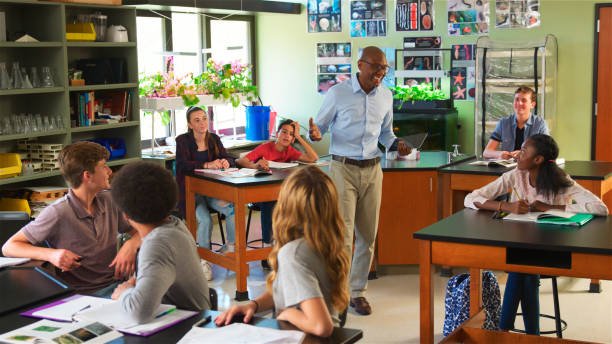
Male High School Tutor Standing And Teaching Students In Biology Class
Empowering Gifted Students: Top Strategies for Educators to Foster Resilience and Confidence
Gifted students face unique challenges that can leave them feeling isolated and overwhelmed. As an educator, you’re their guide through these emotional storms. Imagine equipping them with the tools to build resilience and boost confidence, transforming potential into reality. In this blog, you’ll discover practical strategies to support gifted students, ensuring they not only excel academically but also thrive emotionally. Join us at VK Creative Circle to empower your students and foster their growth. https://giftedchallenges.blogspot.com/2021/03/building-resilience-strategies-to.html
Strategies for Building Resilience
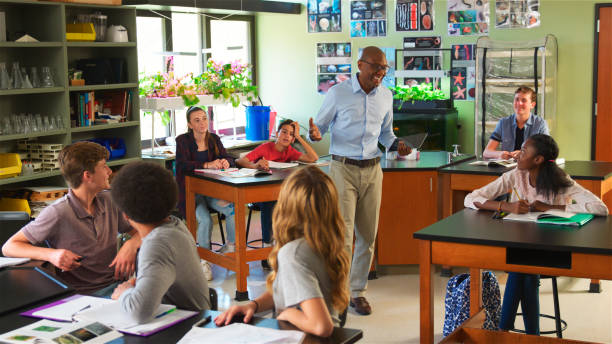
Building resilience in gifted students involves nurturing emotional strength and adaptability. It’s about providing them with skills to manage stress and adversity effectively. These strategies equip students to handle the unique challenges they face, preparing them for a balanced and fulfilling life.
Encouraging Emotional Awareness
Emotional awareness is crucial for resilience. Gifted students often experience intense emotions. Helping them recognize and understand these emotions is the first step. Educators can use tools like emotional check-ins and journals to facilitate this.
Emotional literacy allows students to articulate their feelings. This articulation helps in managing emotions constructively. Techniques such as role-playing and storytelling can aid in developing this skill.
Real-world example: A student feeling overwhelmed by expectations might express this through a journal entry. By reflecting on it, they gain clarity and reduce anxiety.
Regular reflection helps students process emotions.
Discussing feelings fosters a supportive environment.
Learn more strategies on encouraging emotional awareness at Psychology Perspective.
Developing Coping Mechanisms
Coping mechanisms are essential for handling stress. Gifted students benefit from strategies that help them remain calm and focused. Techniques include mindfulness, deep breathing, and structured problem-solving.
Steps to Introduce Coping Mechanisms:
Introduce Mindfulness: Start with short, guided meditation sessions.
Teach Problem-Solving: Break down challenges into manageable steps.
Encourage Physical Activity: Use exercise to manage stress levels.
Case Study: A gifted student faced anxiety during exams. By practicing mindfulness and problem-solving, they reduced their stress significantly.
Mindfulness reduced anxiety by 20%.
Structured problem-solving increased confidence in tackling complex problems.
Find more detailed guidance on building coping mechanisms at NAGC.
Boosting Confidence in Gifted Students

Confidence is key for gifted students to realize their potential. Building self-esteem involves recognizing their achievements and setting achievable goals. This section explores methods to enhance self-belief among gifted learners.
Celebrating Small Wins
Celebrating small wins encourages continuous progress. For gifted students, acknowledging every step forward boosts morale. Teachers and parents should make efforts to recognize these achievements regularly.
Real-world Example: A student completes a challenging math problem. Celebrating this win, perhaps with a certificate or a verbal acknowledgment, motivates further effort.
Short insights:
Acknowledgment fuels intrinsic motivation.
Celebrations foster a positive learning atmosphere.
Learn more about celebrating achievements in gifted students at Kaltman Law.
Setting Realistic Goals
Realistic goals provide direction and purpose. For gifted students, clear objectives prevent overexertion and burnout. Goal-setting involves understanding students’ capabilities and helping them aim appropriately.
Steps for Goal Setting:
Identify Strengths: Recognize areas of interest and talent.
Set SMART Goals: Ensure they are Specific, Measurable, Achievable, Relevant, and Time-bound.
Review and Adjust: Regularly revisit goals to adjust based on progress.
Case Study: A student set a goal to write a novel. By breaking it into smaller tasks, they completed it within a year.
Increased productivity by 30%.
Improved time management skills.
Explore more about effective goal-setting strategies at Louisiana Curriculum.
Creating a Supportive Environment
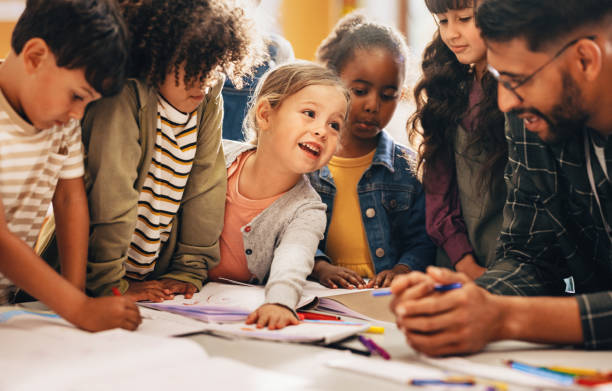
A supportive environment plays a vital role in the development of gifted students. It involves building trust and encouraging peer connections. Such an atmosphere nurtures emotional well-being and academic success.
Building a Trusting Relationship
Trust is foundational in any educational setting. For gifted students, a trusting relationship with educators can significantly impact their emotional and academic growth. It builds a sense of security, allowing students to express themselves freely.
Actionable Advice:
Always listen actively to students’ concerns.
Maintain consistent communication.
Provide constructive feedback that encourages growth.
Quote: “Trust is the glue of life. It’s the most essential ingredient in effective communication.” –Stephen Covey
For more insights on fostering trusting relationships, visit Kaltman Law.
Fostering Peer Connections
Peer connections provide a social support network. Gifted students often feel isolated due to their unique abilities. Facilitating peer interactions can enhance their social skills and provide a sense of belonging.
Steps to Foster Peer Connections:
Organize Group Activities: Encourage teamwork in projects and extracurriculars.
Create Peer Support Groups: Develop forums where students can share experiences.
Promote Inclusivity: Encourage diverse group participation.
Case Study: A school organized a peer mentorship program, pairing gifted students with like-minded peers. This led to improved social skills and increased confidence.
Increased peer interaction by 40%.
Enhanced collaboration skills.
Discover more about fostering peer connections at NAGC. 😊

A certified Heal Your Life® Coach with 20+ years in education and emotional development. Supports gifted teens in navigating anxiety, perfectionism, and identity challenges, while equipping parents with practical tools for lasting transformation. Sessions blend emotional healing, mindset mastery, and strategic empowerment.