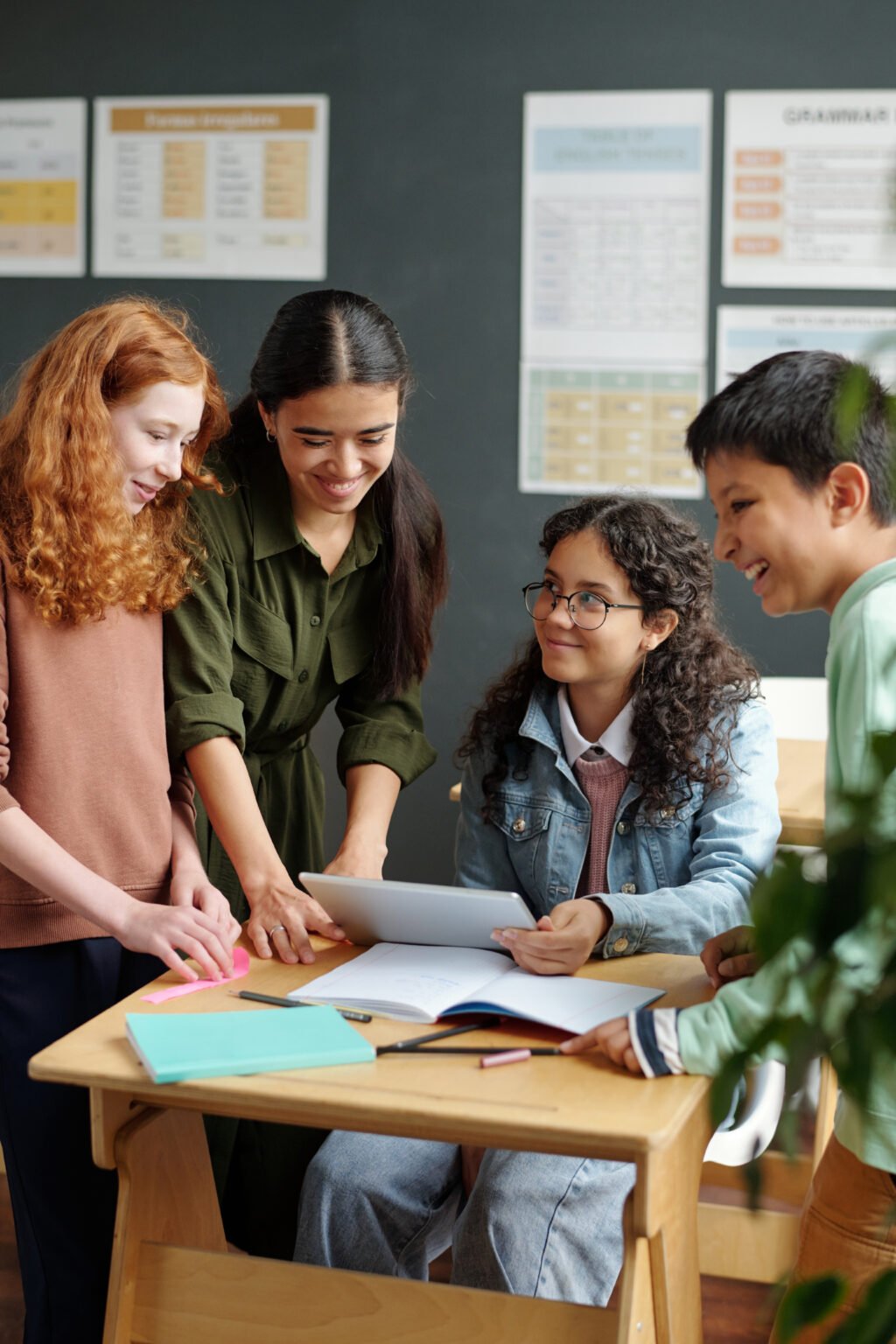
Happy intercultural learners of language courses and their teacher discussing online video or watching slide show on tablet screen
Empowering the Gifted: Strategies for Educators to Build Resilience and Confidence
Gifted students often feel the weight of the world on their shoulders. Their unique talents come with emotional challenges that demand careful nurturing. As an educator, your role is crucial in guiding them through these pressures. Today, you’ll uncover powerful strategies to build resilience and confidence in these bright minds. Ready to make a difference in their lives? Let’s dive into practical tools that will empower you to support gifted youth like never before. Learn more about building resilience in gifted students.
Building Resilience in Gifted Students
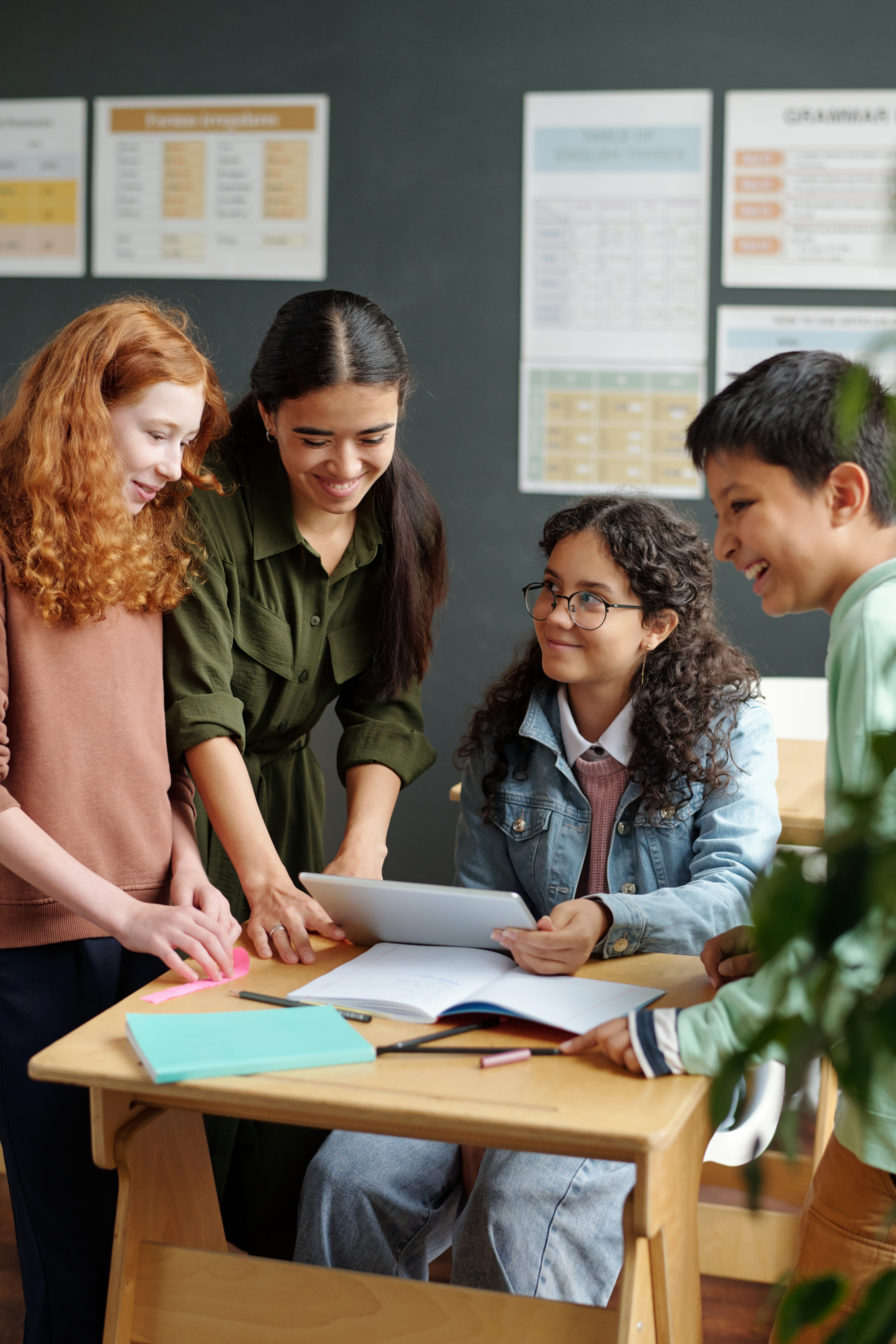
Gifted students are often faced with unique emotional challenges that can hinder their growth. Building resilience is essential to help them thrive despite pressures. Let’s explore strategies educators can use to nurture resilience in these exceptional learners.
Encouraging Emotional Awareness
Emotional awareness is key for gifted students to manage their feelings effectively. Educators should facilitate discussions that help students identify and articulate emotions. Understanding their emotional landscape can empower students to face challenges head-on.
One way to encourage emotional awareness is through reflective journaling. By writing down their thoughts and feelings, students can better understand their emotional triggers.
Educators can also introduce techniques, such as mindfulness exercises, which teach students to focus on the present moment and recognize their emotional states without judgment.
Additionally, small group discussions can provide a safe space for students to share experiences and learn from peers. This communal exchange fosters empathy and emotional growth.
Developing Coping Mechanisms
Gifted students may feel overwhelmed by high expectations. Teaching them coping mechanisms is vital to their well-being. Here are steps to guide them:
Introduce stress-reduction techniques like deep breathing and visualization.
Encourage setting realistic goals to manage workload effectively.
Promote regular breaks during study sessions to prevent burnout.
Real-world example: A gifted student named Alex struggled with anxiety during exams. By practicing deep breathing and breaking tasks into smaller steps, Alex managed stress better and improved performance.
Key takeaway: Simple techniques can transform how students handle stress.
Recommendation: Regular practice is crucial to ingraining these habits.
Building a Supportive Environment
Creating a nurturing space is essential for resilience. A supportive environment can be cultivated by fostering trust and open communication between educators and students.
Teachers should model empathy and understanding, demonstrating that they value each student’s well-being.
Classroom dynamics can be enhanced by promoting inclusivity and ensuring every student feels heard and respected.
Another effective approach is establishing peer mentorship programs. These programs pair students with older peers who can offer guidance and support.
Educators can learn more about creating supportive environments.
Boosting Confidence in the Classroom

Confidence is a critical component of a gifted student’s success. By fostering a positive learning atmosphere, educators can bolster students’ self-esteem and motivation. Here are some ways to boost confidence in the classroom.
Celebrating Individual Achievements
Acknowledging each student’s unique accomplishments can significantly enhance their confidence. Celebrating individual achievements creates a sense of pride and accomplishment.
Real-world example: A teacher noticed that a gifted student named Sara excelled in creative writing. By showcasing her work in class, Sara’s confidence soared, encouraging her to explore writing further.
Key insights:
Recognition motivates students.
Public acknowledgment builds confidence.
Educators can organize regular class presentations where students share projects or achievements, fostering a culture of appreciation.
Providing Constructive Feedback
Constructive feedback is powerful in building self-assurance. It should be specific, focused on effort, and balanced with positive reinforcement.
Educators should ensure feedback is timely and emphasizes areas for improvement as well as accomplishments. This approach helps students see their potential for growth.
Example: A teacher, while reviewing a student’s math test, highlights not only errors but also the strategies applied correctly, reinforcing the student’s strengths.
Feedback should:
Be specific and actionable.
Encourage continuous improvement.
Link to more tips on effective feedback for gifted students.
Encouraging Creative Expression
Gifted students often thrive through artistic outlets. Encouraging creative expression allows them to explore their interests and build confidence in their abilities.
Educators should provide opportunities for students to engage in various creative activities, such as arts, music, or drama.
Classroom projects that incorporate creative elements can boost enthusiasm and self-assurance. For example, organizing art exhibitions or talent shows where students can showcase their work.
Benefits:
Enhances self-expression.
Builds a supportive, inclusive classroom culture.
Practical Strategies for Educators

Educators need effective tools to support gifted students. Here, we outline practical strategies that can be implemented in the classroom.
Tailoring Learning Approaches
Gifted students benefit from personalized learning experiences. Tailoring learning approaches helps meet their unique needs and challenges.
Educators should assess the individual strengths and interests of each student. This understanding allows for the development of bespoke learning plans that stimulate and challenge students.
Differentiated instruction, which includes varying content, processes, and products, ensures all students are engaged.
For more ideas on tailoring approaches, educators can explore resources here.
Fostering Peer Collaboration
Collaboration among peers can enhance learning experiences. Fostering peer collaboration encourages students to share knowledge, debate ideas, and develop social skills.
Educators can facilitate group projects where students with different strengths work together. This dynamic not only enriches learning but also builds a sense of community.
Peer tutoring programs can also be beneficial, allowing students to learn from one another and reinforce their understanding by teaching.
Collaboration benefits:
Enhances communication skills.
Promotes idea exchange and innovation.
Accessing Resources and Support 🤝
Educators should not work in isolation. Accessing resources and support is crucial to effectively nurture gifted students.
Connecting with professional networks or online communities offers valuable insights and shared experiences. Access resources specifically tailored for gifted education.
Professional development workshops can provide educators with new strategies and tools.
Recommendations:
Join educator forums and networks.
Attend workshops and conferences.
By integrating these strategies, educators can empower gifted students, fostering resilience and confidence for their journey ahead. 🌟

A certified Heal Your Life® Coach with 20+ years in education and emotional development. Supports gifted teens in navigating anxiety, perfectionism, and identity challenges, while equipping parents with practical tools for lasting transformation. Sessions blend emotional healing, mindset mastery, and strategic empowerment.



