
Empowering the Gifted: Strategies for Educators to Cultivate Resilience and Confidence
Gifted students often face unique pressures that can feel overwhelming. As an educator, you’re in a powerful position to guide them toward resilience and confidence. Imagine turning potential stress into a catalyst for growth and self-assurance. In this post, you’ll find practical strategies crafted just for you, helping gifted students thrive emotionally and mentally. Ready to transform how your students experience learning and personal growth? Dive into these empowering strategies and watch your classroom become a sanctuary of development and well-being. For more insights, check out these strategies for challenging gifted learners.## Building Resilience in Gifted Students

Building resilience in gifted students is essential for their long-term success. Resilience allows them to bounce back from setbacks and face challenges head-on. Here, we explore ways educators can instill this trait in gifted learners.
Encouraging Growth Mindset
Growth mindset is the belief that intelligence and abilities can be developed through hard work and dedication. Encouraging a growth mindset helps gifted students understand that failure is a stepping stone to success.
Promote Effort Over Innate Ability: Emphasize the value of consistent effort and learning from mistakes.
Provide Constructive Feedback: Offer feedback that focuses on strategies rather than personal attributes.
Model Growth Mindset: Share personal experiences of overcoming challenges through perseverance.
For more insights, visit Edmentum.
Teaching Stress Management Techniques
Gifted students often experience higher levels of stress due to their unique pressures. Teaching them stress management techniques is crucial for fostering resilience.
Mindfulness Practices: Introduce simple mindfulness exercises to help them stay present.
Time Management Skills: Guide them in organizing their tasks to reduce overwhelm.
Relaxation Techniques: Encourage practices like deep breathing and meditation.
These skills not only improve emotional well-being but also enhance their academic performance. For additional resources, see Genie Academy.
Fostering Confidence in the Classroom

Confidence is key for gifted students to maximize their potential. By fostering a supportive environment, educators can help students build self-assurance.
Celebrating Individual Achievements
Recognizing and celebrating achievements boosts confidence. It’s essential to highlight not just academic accomplishments but also personal growth.
Personalized Praise: Tailor recognition to individual strengths and progress.
Showcase Talents: Create opportunities for students to share their skills with peers.
Involve Students in Goal Setting: Encourage them to set and achieve personal goals.
By focusing on individual achievements, students feel valued and motivated to continue striving for success. Explore more strategies at ESCCO.
Creating Supportive Peer Networks
Supportive peer networks are vital for gifted students to feel understood and accepted. Building these networks helps them develop social skills and confidence.
Peer Mentoring Programs: Pair students with peers who can offer guidance and support.
Group Projects: Encourage collaboration on projects to build teamwork skills.
Inclusive Activities: Organize activities that promote inclusivity and respect.
These strategies create a positive classroom environment where gifted students can thrive. More insights can be found on Gifted Challenges.
Enhancing Emotional Well-Being
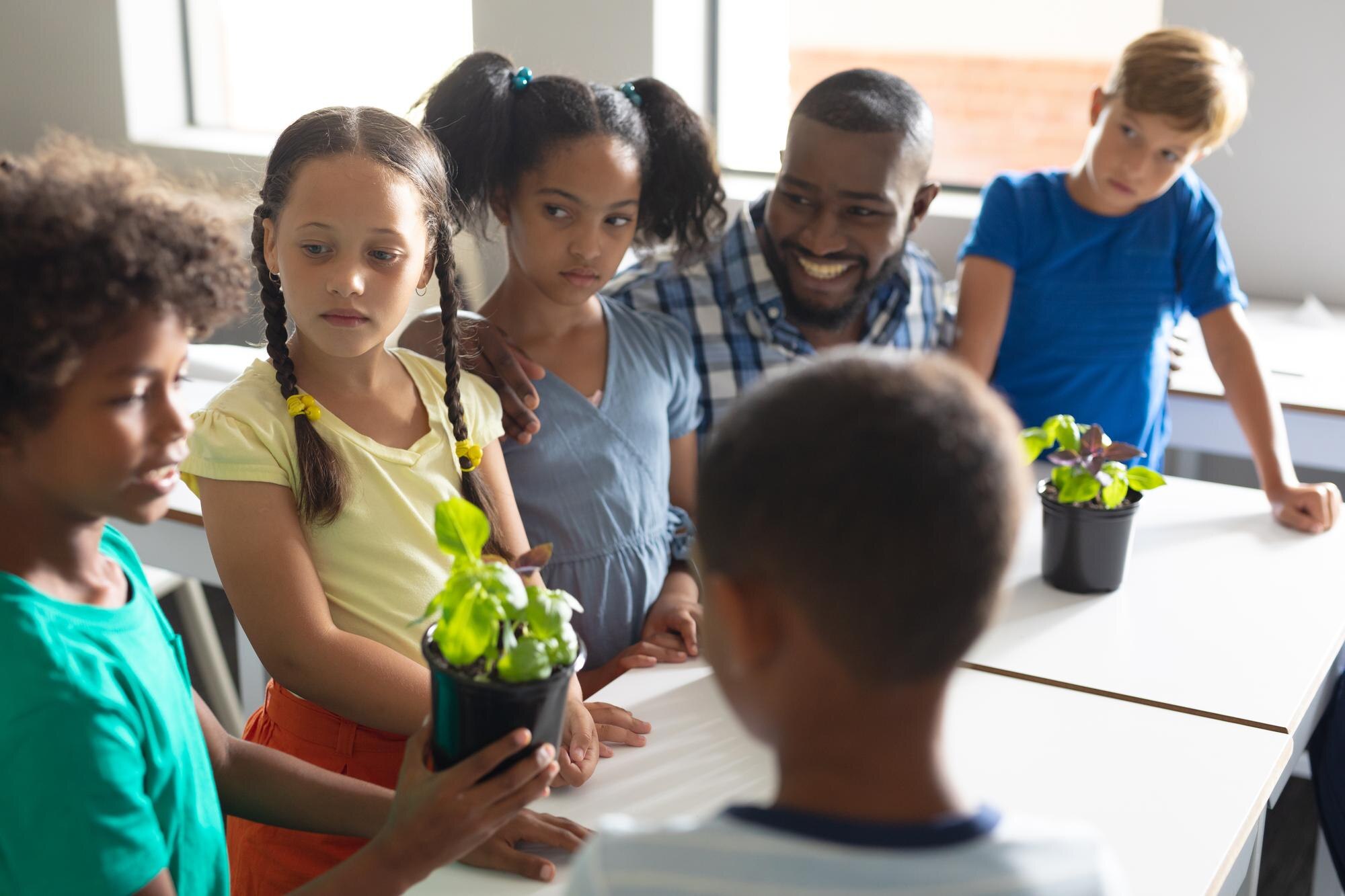
Gifted students often face emotional challenges that can hinder their development. Enhancing emotional well-being is crucial for their overall growth.
Developing Emotional Intelligence
Emotional intelligence is the ability to understand and manage one’s emotions. Teaching this skill set is critical for gifted students’ personal growth.
Self-Awareness: Help students recognize their emotions and triggers.
Empathy: Encourage understanding and sharing of others’ feelings.
Emotion Regulation: Teach strategies for managing intense emotions.
With these skills, students can navigate social interactions more effectively and build stronger relationships.
Promoting Self-Reflection and Awareness
Self-reflection and awareness are key components of emotional well-being. They enable gifted students to understand their strengths and areas for improvement.
Journaling: Encourage regular journaling to reflect on thoughts and experiences.
Goal Review: Facilitate periodic reviews of personal and academic goals.
Feedback Sessions: Organize sessions where students can give and receive constructive feedback.
These practices empower students to take control of their learning and personal development. Implementing these strategies can create a nurturing environment that supports gifted students’ growth. 🌟

A certified Heal Your Life® Coach with 20+ years in education and emotional development. Supports gifted teens in navigating anxiety, perfectionism, and identity challenges, while equipping parents with practical tools for lasting transformation. Sessions blend emotional healing, mindset mastery, and strategic empowerment.