Empowering the Gifted: Top Strategies for Educators to Foster Resilience and Confidence
Gifted students face unique emotional hurdles that can leave educators searching for effective solutions. Imagine a classroom where these students not only excel academically but also thrive emotionally. The key lies in fostering emotional resilience and confidence through tailored educator strategies. In this guide, you’ll find practical methods to support your gifted students, ensuring they develop the self-assurance needed to navigate life’s challenges. Ready to transform your approach and empower these extraordinary learners? Let’s dive into the strategies that make a difference.
Building Emotional Resilience
Helping gifted students develop emotional resilience is essential for their overall well-being. Understanding their unique needs and implementing strategies to support them can make a significant difference. Creating an environment where they feel supported is crucial.
Understanding Gifted Students’ Needs
Gifted students often face challenges that differ from their peers. They may experience heightened emotions, intense sensitivity, and perfectionism. These traits require a nuanced understanding from educators. Recognizing these needs is the first step in supporting their emotional resilience.
Gifted students may feel isolated or misunderstood. They might struggle with the pressure to excel or fear of failure. Educators can help by acknowledging these feelings, providing a safe space for expression and validation.
Open communication with gifted students is vital. Encourage them to share their concerns and emotions. This approach fosters trust and helps educators tailor their support to each student’s unique needs.
Strategies for Emotional Resilience
Building emotional resilience in gifted students involves proactive strategies. These strategies should be practical, consistent, and adaptable to individual needs.
Mindfulness exercises: Encourage practices like deep breathing or meditation to help students manage stress and stay grounded.
Emotional journaling: Suggest writing about their feelings to process emotions and identify patterns or triggers.
Role-playing activities: Use scenarios to teach coping mechanisms and problem-solving skills in a controlled environment.
Engagement with peers through team projects or social clubs can also enhance resilience. Encourage activities that promote teamwork and empathy, helping students relate to others.
Creating a Supportive Environment
A supportive environment is a cornerstone of emotional resilience for gifted students. This environment should be inclusive, encouraging, and responsive to their needs.
Ensure that classroom dynamics promote respect and understanding. Educators should model empathy and patience. This sets an example for students and fosters a culture of kindness.
Regular check-ins can be beneficial. Schedule time for one-on-one conversations to discuss any challenges or concerns. This personal attention reassures students that their emotional well-being is prioritized.
Confidence Building Techniques
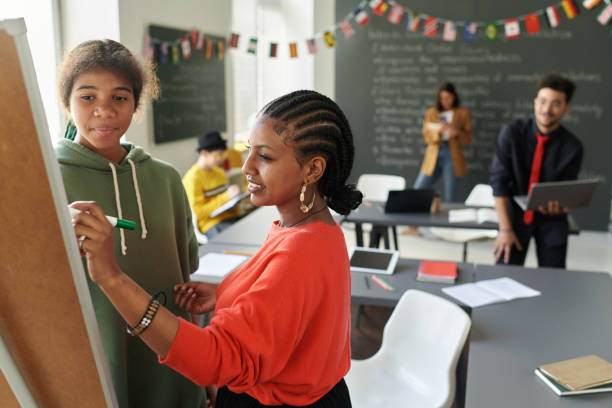
Confidence building is essential for gifted students to showcase their abilities and pursue their passions. Techniques that encourage self-expression, celebrate achievements, and set realistic goals can empower them.
Encouraging Self-Expression
Gifted students often have unique perspectives and ideas. Encouraging self-expression helps them feel understood and valued.
Offer diverse platforms for creativity. Whether through writing, art, or music, providing various outlets allows students to express themselves authentically. This diversity caters to different interests and strengths.
Peer-sharing opportunities are also effective. Organize presentations or group discussions where students can share their work or thoughts. This practice not only boosts confidence but also enhances communication skills.
Celebrating Individual Achievements
Acknowledging achievements, both big and small, reinforces a positive self-image in gifted students.
Create a recognition system. This could be as simple as a classroom bulletin board highlighting student accomplishments. Celebrating successes publicly encourages a sense of pride and motivation.
Personalized feedback is crucial. Offer constructive and specific praise that focuses on effort and growth rather than outcomes. This approach fosters a growth mindset, encouraging students to value learning over perfection.
Setting Realistic Goals
Setting achievable goals is vital for confidence building. Goals should be challenging yet attainable, providing a roadmap for student success.
Collaborate with students to set goals. This collaboration ensures that goals are meaningful and aligned with their interests and abilities.
Break goals into manageable steps. This approach makes the path to achievement clear and less overwhelming, instilling confidence as students progress.
Effective Educator Strategies

Educators play a pivotal role in nurturing both the academic and emotional growth of gifted students. Personalized learning, open communication, and continuous professional development can enhance their teaching effectiveness.
Personalized Learning Approaches
Gifted students benefit from tailored learning experiences that cater to their unique abilities and interests.
Differentiate instruction by offering varied materials and activities. This differentiation allows students to explore subjects at their own pace and depth, keeping them engaged and challenged.
Incorporate student choice in projects and assignments. Allowing students to choose topics or methods of presentation boosts motivation and personal investment in learning.
Fostering Open Communication
Open communication between educators and students builds trust and supports emotional well-being.
Establish clear channels of communication. Regularly scheduled meetings or an open-door policy can encourage students to express their thoughts and concerns freely.
Practice active listening. Show genuine interest in student conversations, validating their feelings and experiences. This approach fosters a supportive and understanding classroom environment.
Continuous Professional Development 🌟
Educators should pursue ongoing learning opportunities to stay informed about the best practices in gifted education.
Attend workshops and seminars focused on emotional resilience and confidence building. These events provide valuable insights and strategies that can be implemented in the classroom.
Engage with professional networks. Collaborating with other educators can lead to the sharing of ideas and experiences, enriching teaching practices and student support.
By implementing these strategies, educators can effectively support gifted students in building emotional resilience and confidence, paving the way for their personal and academic success. 🌟

A certified Heal Your Life® Coach with 20+ years in education and emotional development. Supports gifted teens in navigating anxiety, perfectionism, and identity challenges, while equipping parents with practical tools for lasting transformation. Sessions blend emotional healing, mindset mastery, and strategic empowerment.