
Empowering the Gifted: Top Strategies for Educators to Foster Resilience and Confidence
Forget everything you know about teaching gifted students. You see them excel academically, but beneath that brilliance lies a world of emotional challenges. Anxiety, perfectionism, and self-doubt often shadow their achievements. As an educator, your role goes beyond academics—it’s about nurturing their resilience and confidence. In this guide, you’ll uncover practical strategies to support gifted students, empowering them to thrive emotionally. Ready to transform the way you teach and support these extraordinary minds? Let’s learn more. ## Strategies for Building Resilience
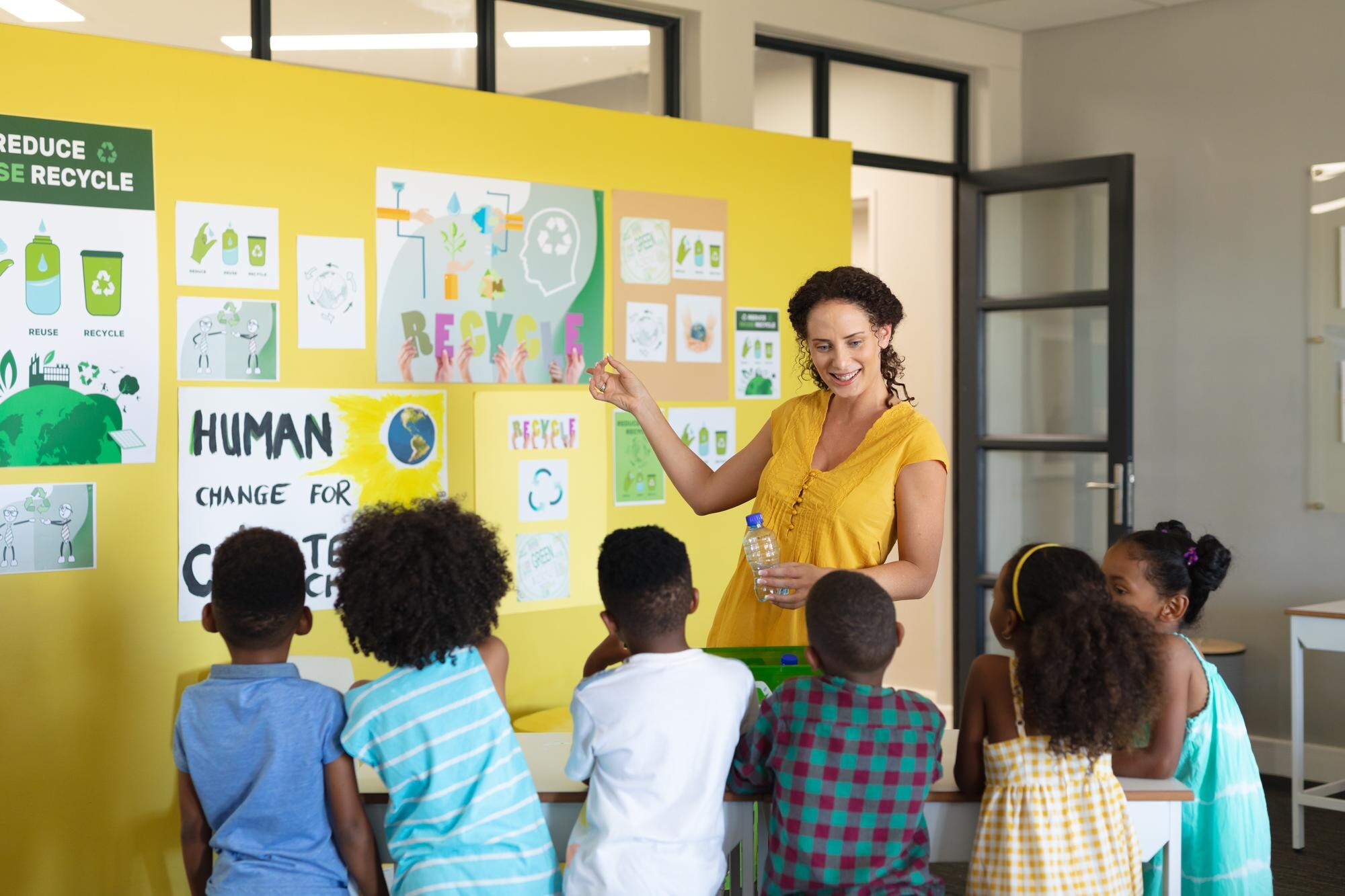
Building resilience in gifted students is crucial to help them manage the emotional challenges they face. By focusing on emotional awareness, coping mechanisms, and fostering a growth mindset, educators can create a supportive environment for these students.
Encourage Emotional Awareness
Emotional awareness involves recognizing and understanding one’s feelings. For gifted students, this means acknowledging emotions such as anxiety or perfectionism. Helping students identify their emotional triggers can lead to better self-regulation.
Encourage open discussions about emotions in the classroom. This can be achieved through activities like journaling or group discussions, allowing students to express their feelings in a safe space. Additionally, consider using resources available on giftedchallenges.blogspot.com to guide these discussions.
Real-world example: A teacher might start each class with a “feelings check-in,” asking students to rate their emotional state. This not only promotes self-awareness but also encourages students to support one another.
Teach Coping Mechanisms
Helping gifted students develop coping mechanisms is essential for building resilience. These tools enable them to manage stress and anxiety effectively, leading to healthier emotional responses.
Introduce relaxation techniques: Teach students simple mindfulness practices, such as deep breathing or visualization, which they can use during stressful situations.
Encourage problem-solving skills: Guide students through a structured process to address challenges, fostering a sense of control.
Promote healthy outlets: Encourage activities like exercise, art, or music as ways to channel emotions productively.
By teaching these strategies, educators can help students build their resilience. Learn more about developing resilience in gifted students here.
Foster a Growth Mindset
A growth mindset encourages students to view challenges as opportunities for growth rather than threats. This mindset can significantly boost resilience in gifted students.
Case study: In a classroom setting, teachers implemented a growth mindset curriculum, encouraging students to embrace mistakes as learning opportunities. Over time, students displayed increased confidence and resilience.
Key takeaway: Students who view intelligence as malleable tend to persevere through difficulties.
Actionable advice: Praise students for effort and progress rather than innate ability to reinforce a growth mindset.
For more on fostering resilience through mindset, visit psychologyperspective.substack.com.
Confidence Building Techniques
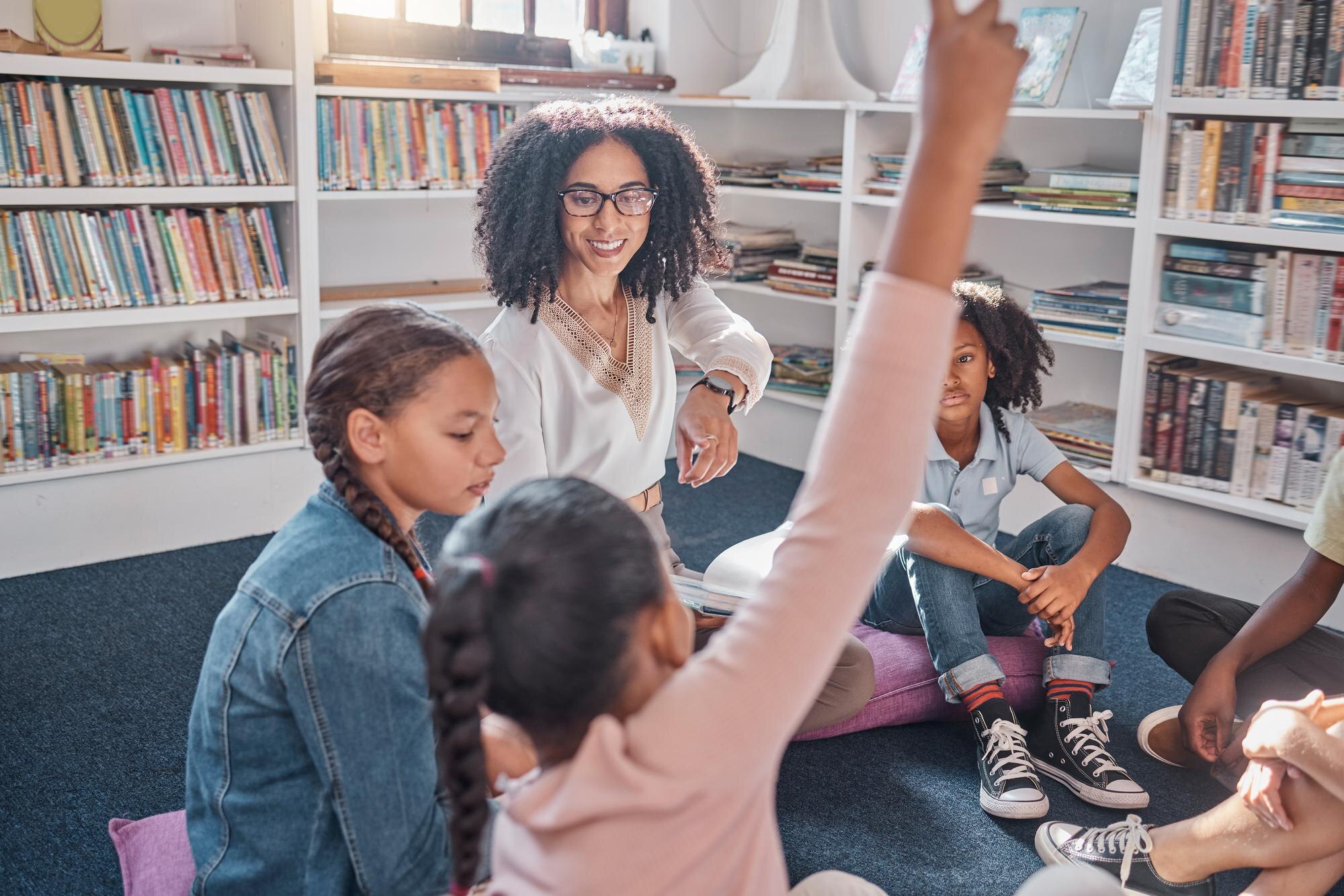
Gifted students often struggle with confidence due to high expectations and perfectionism. By focusing on effort, collaboration, and constructive feedback, educators can help build their confidence.
Celebrate Effort Over Perfection
Emphasizing effort rather than perfection can help students develop a healthier self-image. Encourage students to focus on the learning process instead of the end result.
Create an environment where mistakes are viewed as part of learning. This can be done through classroom activities that celebrate small victories and improvements. Additionally, escco.org offers guidance on supporting gifted students emotionally.
Key insight: Recognizing effort motivates students to take risks and learn from failures.
Actionable advice: Regularly highlight student progress and perseverance.
Encourage Peer Collaboration
Peer collaboration can significantly boost a gifted student’s confidence by providing opportunities for teamwork and peer support.
Incorporate group projects that require collaboration, allowing students to learn from one another. This environment fosters a sense of belonging and shared success, which can enhance self-esteem.
Real-world example: A teacher organized a peer-tutoring program where students helped each other with challenging subjects. This not only improved academic performance but also built confidence through mutual support.
Provide Constructive Feedback
Constructive feedback is crucial for confidence building. It helps students understand areas for improvement while acknowledging their strengths.
Approach feedback with empathy, focusing on positive reinforcement along with suggestions for growth.
Be specific: Provide clear examples and practical advice to guide students.
By offering feedback in a supportive manner, educators can help students develop a positive self-perception. Explore more strategies on giftedchallenges.blogspot.com.
Supporting Gifted Youth Emotionally
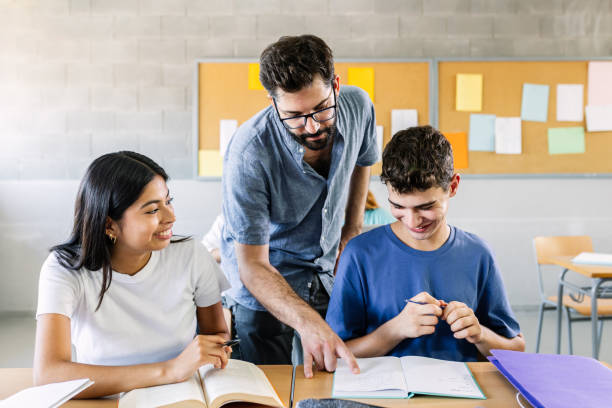
Supporting gifted students emotionally requires recognizing their unique challenges, fostering open communication, and creating safe learning environments.
Recognize Unique Challenges
Gifted students often face unique emotional challenges, such as perfectionism and social isolation. Recognizing these challenges is the first step in providing effective support.
Comparison:
Challenge | Impact |
|---|---|
Perfectionism | Leads to stress and fear of failure |
Social isolation | Causes feelings of loneliness |
By understanding these challenges, educators can tailor their support strategies accordingly. Learn more about addressing these needs.
Establish Open Communication
Open communication between educators and students is vital for emotional support. This means creating a trusting environment where students feel comfortable sharing their feelings.
Encourage dialogue: Regularly check in with students to discuss their emotional well-being.
Be approachable: Make yourself available for one-on-one conversations to build trust.
For more tips on establishing open communication, visit this resource.
Create Safe Learning Environments
A safe learning environment is essential for the emotional well-being of gifted students. This involves minimizing stressors and promoting inclusivity.
Actionable advice:
Design inclusive classrooms where all students feel valued and respected.
Implement flexible learning options to accommodate diverse needs and learning styles.
By focusing on these aspects, educators can support the emotional growth of gifted youth. Explore more strategies here.

A certified Heal Your Life® Coach with 20+ years in education and emotional development. Supports gifted teens in navigating anxiety, perfectionism, and identity challenges, while equipping parents with practical tools for lasting transformation. Sessions blend emotional healing, mindset mastery, and strategic empowerment.



