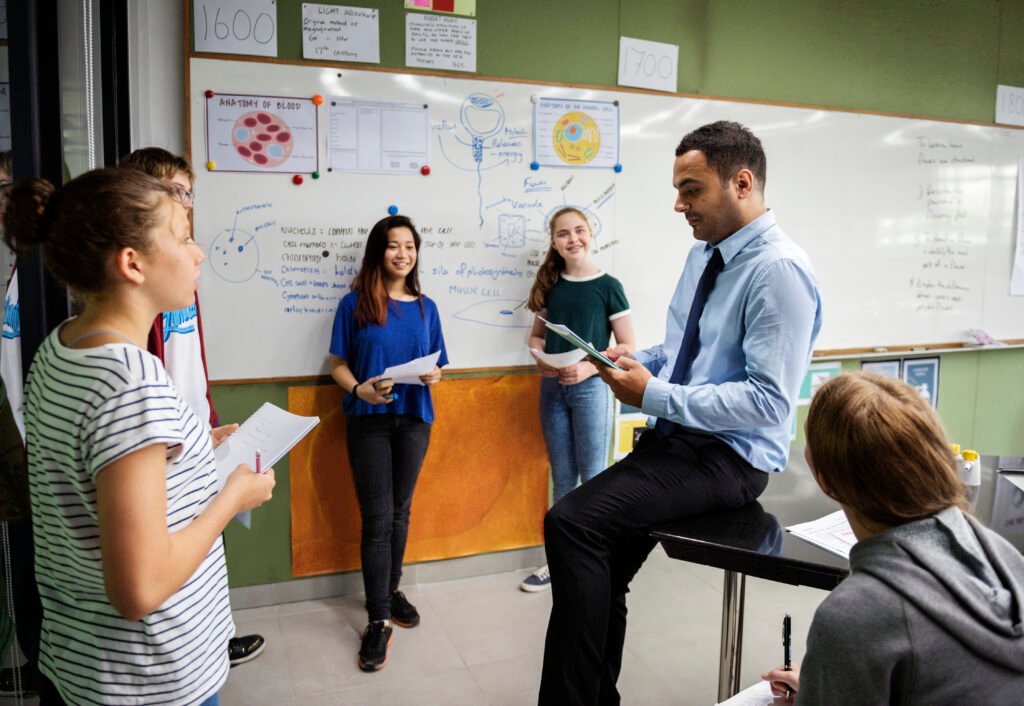
Group of students presentation in classroom
Top Strategies for Educators to Empower Gifted Students: Building Resilience and Confidence
Gifted students face unique challenges that can test their resilience and shake their confidence. As educators, the responsibility to guide them through these hurdles is immense. Imagine equipping them with a shield of resilience and a sword of confidence, empowering them to shine brightly in all areas of life. In this blog, you’ll find practical educator strategies to nurture emotional well-being and support gifted youth. Prepare to transform your classroom into a haven where resilience blossoms and confidence soars. Let’s dive in and make a difference together.
Nurturing Emotional Well-being
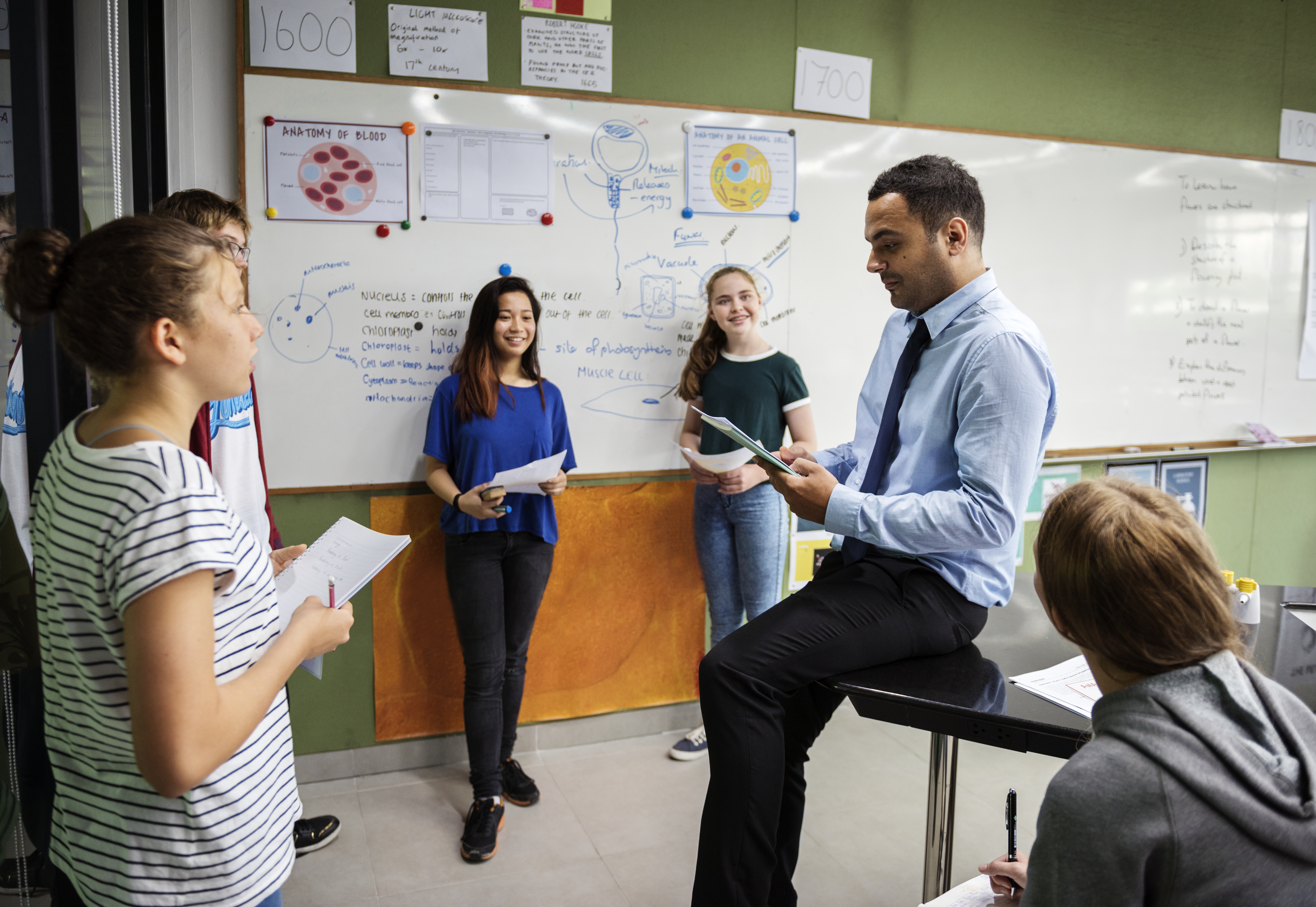
Creating a supportive environment for gifted students is essential to nurture their emotional well-being. Understanding their unique needs is the first step, followed by implementing strategies to build resilience. By offering the right support, educators can create a safe space for students to express themselves and grow emotionally.
Understanding Gifted Students’ Needs
Gifted students often face different emotional challenges compared to their peers. They may experience heightened sensitivity, intense emotions, and a strong sense of justice. It’s crucial to understand these needs to provide effective support.
Emotional sensitivity can lead to feelings of being misunderstood, which may isolate them from peers. Educators can help by acknowledging these feelings and offering a listening ear. This understanding fosters a sense of belonging and acceptance.
High expectations are common among gifted students, leading to anxiety and stress. Educators should recognize this and provide a balanced environment that encourages growth without overwhelming pressure. Learn more about the social-emotional needs of gifted students.
Effective communication is key. Open dialogues about feelings and challenges can help students navigate their emotions. By showing empathy and understanding, educators nurture a trusting relationship, promoting emotional well-being.
Strategies to Foster Resilience in Students
Resilience is essential for gifted students to navigate challenges and setbacks. Educators can implement strategies to build this crucial trait.
Encourage problem-solving: Present real-world challenges and guide students to find solutions independently. This approach builds critical thinking and adaptability.
Promote a growth mindset: Teach students that intelligence and abilities can be developed through effort and perseverance. Celebrate progress, not just success.
Model resilience: Share personal stories of overcoming obstacles. This inspires students and shows resilience in action.
Resilience-building activities, such as group projects or outdoor adventures, can also be beneficial. These activities encourage collaboration, communication, and problem-solving, all essential components of resilience. Explore more strategies to build resilience in gifted students.
Supportive relationships with peers and mentors further enhance resilience. Encourage students to form connections with those who understand their journey and can offer guidance and encouragement.
Building Confidence in the Classroom
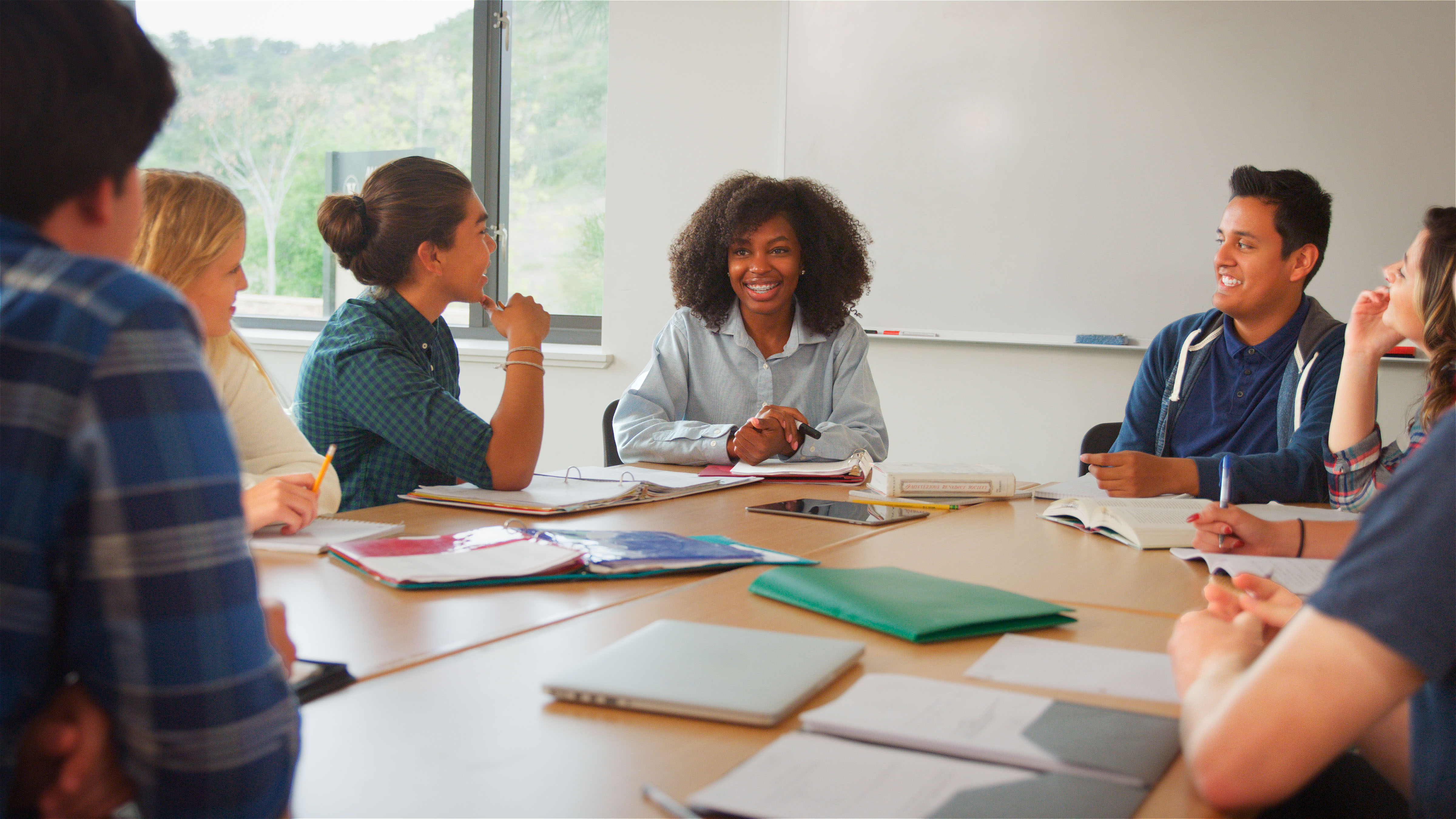
Confident students are more likely to participate actively and take risks in their learning. By creating an environment where self-expression and creativity are encouraged, educators can help build confidence. Constructive feedback and support also play a crucial role in this process.
Encouraging Self-Expression and Creativity
Self-expression is vital for gifted students to explore their unique talents and perspectives. Encourage students to express themselves through various mediums such as art, music, or writing.
Creative projects allow students to showcase their talents. Provide opportunities for them to design projects that interest them, encouraging ownership and pride in their work. Discover creative strategies for teaching gifted students.
Classroom discussions are another way to foster self-expression. Create a safe space where every opinion is valued, and students feel comfortable sharing their thoughts. This practice builds confidence and communication skills.
Diverse learning experiences can further promote creativity. Introduce interdisciplinary projects that combine multiple areas of interest, challenging students to think outside the box.
Providing Constructive Feedback and Support
Providing constructive feedback is crucial for fostering growth and confidence. Feedback should be specific, actionable, and encouraging, guiding students toward improvement.
Recognizing achievements boosts confidence. Celebrate small victories and milestones, reinforcing a sense of accomplishment and motivation to continue striving.
Collaborative feedback sessions can be an effective approach. Encourage peer reviews and group discussions where students can give and receive feedback in a supportive environment.
Continuous support from educators is essential. Regular check-ins and one-on-one meetings provide opportunities to address concerns and offer personalized guidance, fostering a nurturing environment for growth.
Engaging Educator Strategies

Engaging strategies are key to maintaining interest and promoting effective learning in gifted students. Collaborative learning and tailored experiences can significantly enhance their educational journey.
Collaborative Learning and Peer Support
Collaborative learning encourages students to work together, fostering a sense of community and shared goals. This approach also helps students to develop social skills and learn from different perspectives.
Peer support groups offer a platform for students to discuss challenges and successes. These groups can provide a sense of belonging and understanding, reducing feelings of isolation. Read more about collaborative strategies for gifted students.
Group projects are an excellent way to integrate collaborative learning. Assign tasks that require teamwork and diverse skills, encouraging students to leverage each other’s strengths.
Mentorship programs pair gifted students with mentors who can offer guidance and support. These relationships can provide valuable insights and motivation for students to pursue their passions.
Tailored Learning Experiences for Gifted Education
Tailored learning experiences are crucial for meeting the diverse needs of gifted students. These experiences should cater to their interests, strengths, and learning pace.
Differentiated instruction is an effective strategy. Modify lessons to include various levels of complexity and multiple entry points to engage students at their level.
Enrichment programs offer advanced learning opportunities outside the standard curriculum. Consider providing access to specialized courses, workshops, or competitions that align with students’ interests.
Individual learning plans ensure that each student’s educational journey is customized. Collaborate with students to set goals and create plans that challenge and inspire them. Explore tailored approaches for gifted education.
Regular assessments and feedback are vital to track progress and adjust learning experiences as needed. This approach ensures continued growth and engagement.
By implementing these strategies, educators can empower gifted students to thrive in their educational journey. 🌟

A certified Heal Your Life® Coach with 20+ years in education and emotional development. Supports gifted teens in navigating anxiety, perfectionism, and identity challenges, while equipping parents with practical tools for lasting transformation. Sessions blend emotional healing, mindset mastery, and strategic empowerment.