
Female High School Tutor At Whiteboard Teaching Maths Class
Top Strategies for Educators to Foster Resilience and Confidence in Gifted Students
Gifted students often face unique emotional hurdles, leaving educators searching for ways to nurture resilience and confidence in them. Sound familiar? You’re not alone. As a compassionate guide in gifted education, you have the power to transform these challenges into opportunities for growth. This post will arm you with practical strategies to foster resilience and build confidence, enhancing both emotional and academic development. Ready to empower your gifted students? Let’s explore these effective educator strategies together. Learn more about building resilience in gifted students here.
Building Emotional Resilience

Nurturing emotional resilience in gifted students is crucial for their overall development. Emotional resilience helps students manage stress and bounce back from setbacks. This section explores key strategies educators can implement to foster resilience in their gifted learners, creating a supportive and nurturing environment.
Encouraging Self-Awareness
Self-awareness is the foundation of emotional resilience. By understanding their emotions, gifted students can better manage them. Encourage students to reflect on their feelings through journaling or discussions. Journaling allows students to track their emotions and recognize patterns over time, fostering self-awareness.
One effective method is to introduce regular “emotion check-ins” during class, where students can express how they feel in a safe environment. This practice can help them identify triggers and responses to stress.
Developing resilience in students through self-awareness can lead to greater emotional intelligence, a key component in managing stress and adversity.
Embracing Mistakes as Learning
Mistakes are opportunities for growth. Encourage students to view errors as learning experiences rather than failures. This mindset shift is essential in building resilience. When students embrace mistakes, they learn to adapt and persevere.
Consider incorporating group activities where students can share their mistakes and the lessons learned. This fosters a supportive community where making mistakes is normalized and celebrated.
Building resilience through this approach not only enhances learning but also boosts students’ confidence in tackling future challenges.
Developing Coping Strategies
Coping strategies are vital for managing stress. Teach students techniques such as deep breathing, mindfulness, and visualization. These tools help students remain calm and focused, especially during challenging times.
Deep Breathing Exercises: Teach students to take slow, deep breaths, which can reduce anxiety.
Mindfulness Practices: Encourage daily mindfulness exercises to increase present-moment awareness.
Visualization Techniques: Guide students in visualizing success to build confidence and reduce stress.
Effective coping strategies enable students to handle emotional challenges with greater ease.
Boosting Confidence in Gifted Students
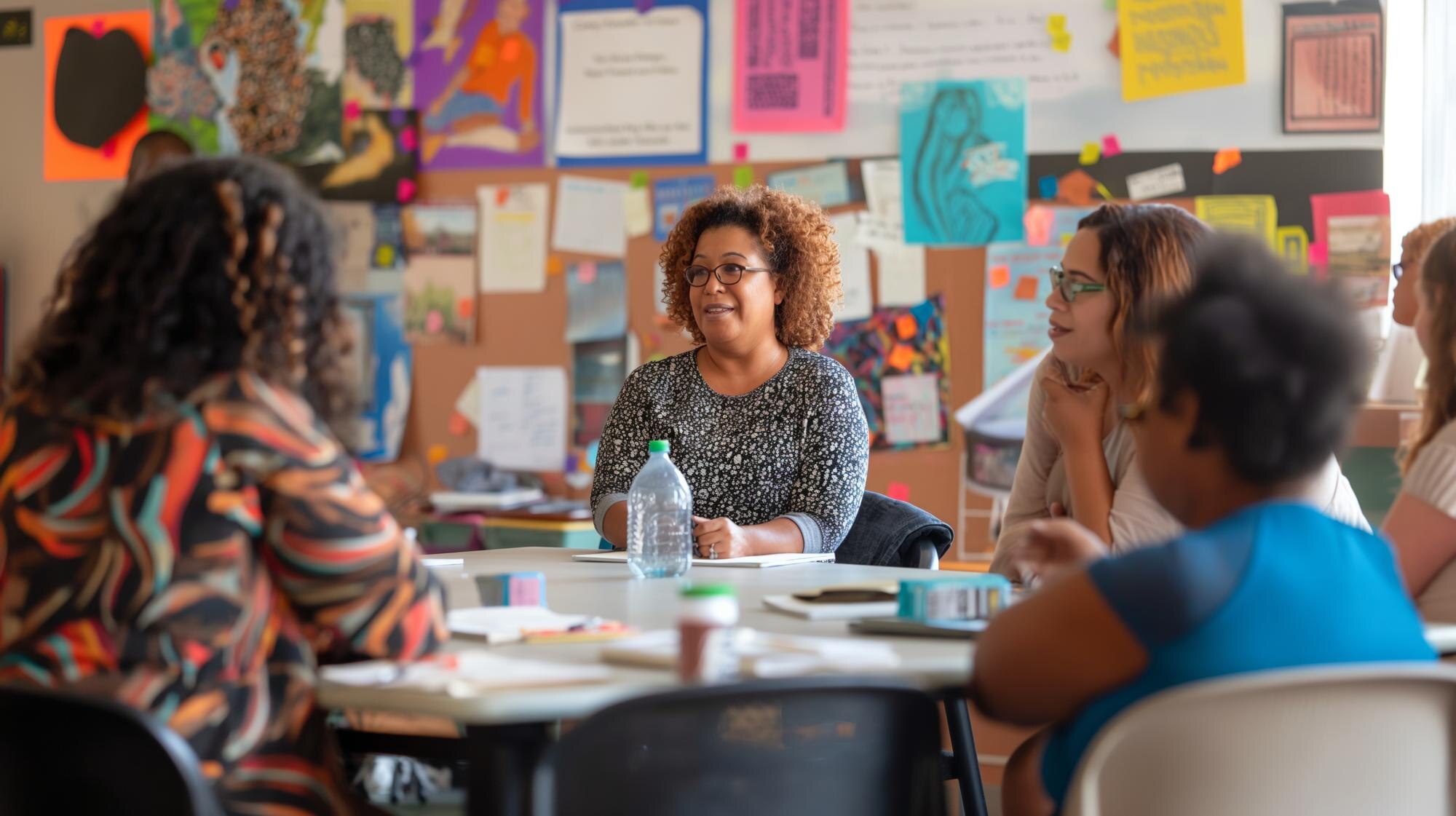
Confidence plays a pivotal role in a gifted student’s success. This section delves into strategies educators can employ to bolster self-esteem in their students. By cultivating an environment that values individual strengths, educators can help students develop confidence.
Celebrating Small Victories
Recognizing and celebrating small achievements is crucial in boosting confidence. Regularly acknowledge students’ efforts, no matter how minor, to reinforce their self-esteem and motivation. This practice encourages a positive, growth-oriented mindset.
For instance, create a “victory wall” in the classroom where students can post achievements. This visual reminder of their progress can inspire continued effort and perseverance.
Celebrating achievements is an effective way to enhance confidence and motivation in gifted students.
Setting Realistic Goals
Setting achievable goals is a powerful confidence booster. Work with students to establish SMART goals: Specific, Measurable, Achievable, Relevant, and Time-bound. These goals provide a clear roadmap for success.
Steps for Goal Setting:
Identify a Specific Goal: Help students define what they want to achieve.
Break Down the Goal: Divide it into smaller, manageable steps.
Set a Timeline: Establish deadlines to track progress.
Realistic goal setting empowers students to pursue their ambitions with confidence.
Encouraging Peer Collaboration
Peer collaboration not only enhances learning but also builds confidence. Encourage students to work together on projects, sharing ideas and support. This collaboration fosters a sense of belonging and mutual respect.
In real-world examples, students who engage in peer collaboration often develop stronger communication skills and increased self-esteem, as they learn to value diverse perspectives and contributions.
Encouraging collaboration among students can significantly enhance their confidence and social skills.
Practical Educator Strategies
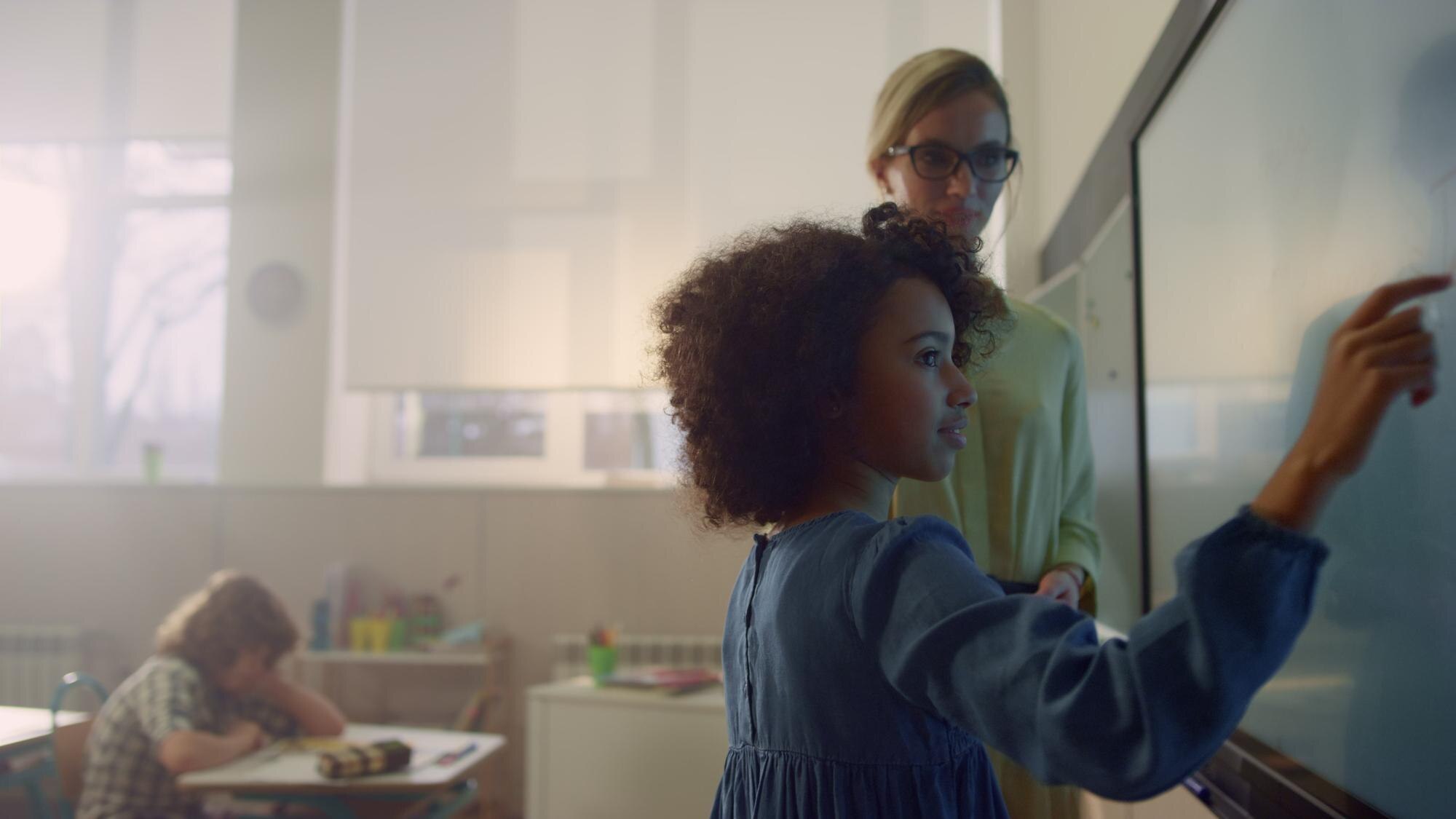
Educators play a vital role in fostering resilience and confidence in gifted students. This section offers practical strategies for creating an environment conducive to emotional and academic growth.
Creating Safe Learning Environments
A safe learning environment is essential for student growth. Establish a classroom culture where students feel comfortable expressing themselves without fear of judgment. Promote open communication and respect.
Key Elements of a Safe Environment:
Encourage Open Dialogue: Allow students to share their thoughts and feelings.
Promote Inclusivity: Ensure all students feel valued and respected.
Model Empathy: Demonstrate understanding and compassion.
Creating safe spaces encourages students to take risks and engage in learning.
Providing Constructive Feedback
Feedback is most effective when it is constructive and specific. Offer feedback that focuses on improvement and effort rather than solely on outcomes. This approach helps students understand their strengths and areas for growth.
For example, instead of saying “Good job,” provide specific feedback like, “I appreciate how you explained your reasoning in the math problem.”
Constructive feedback fosters a growth mindset and continuous improvement.
Promoting Emotional Growth
Emotional growth is as crucial as academic achievement. Encourage students to develop emotional intelligence by teaching empathy, self-regulation, and social skills. These skills are vital for personal and academic success.
Teach Empathy: Encourage students to consider others’ perspectives.
Develop Self-Regulation: Help students manage their emotions and reactions.
Enhance Social Skills: Promote effective communication and conflict resolution.
Promoting emotional growth equips students with the tools they need for lifelong success. 🌟

A certified Heal Your Life® Coach with 20+ years in education and emotional development. Supports gifted teens in navigating anxiety, perfectionism, and identity challenges, while equipping parents with practical tools for lasting transformation. Sessions blend emotional healing, mindset mastery, and strategic empowerment.



