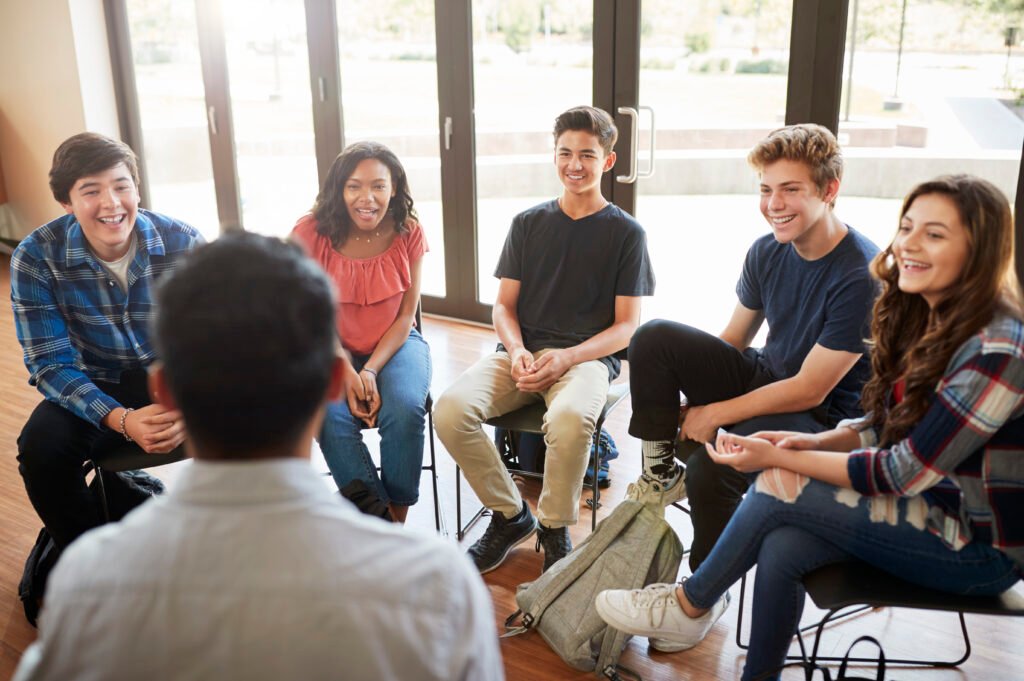
Rear View Of Male Tutor Leading Discussion Group Amongst High School Pupils
Unlocking Potential: The Crucial Role of Cultural Sensitivity in Coaching Gifted Youth
Your gifted teen has a unique spark, but emotional challenges can dim their potential. Cultural sensitivity is the key to unlocking their growth. Imagine a world where understanding different perspectives fuels personal development and emotional strength. Discover how this vital approach can transform coaching gifted youth, enhancing their journey toward emotional intelligence and personal growth. Dive into strategies that empower both teens and their families, creating a nurturing environment for success. Ready to explore the possibilities? Let’s begin. Learn more.## Understanding Cultural Sensitivity

Cultural sensitivity plays a crucial role in understanding and supporting gifted teens. Recognizing diverse perspectives and breaking down barriers are vital steps in building emotional bridges that foster growth and development.
Recognizing Diverse Perspectives
Cultural sensitivity begins with understanding and respecting diverse perspectives. Gifted teens often come from various backgrounds, each with unique cultural norms and values. By acknowledging these differences, coaches can tailor their approach to better meet the needs of each individual.
For instance, consider a gifted student from a multicultural family. Their experiences might differ significantly from those of their peers. Recognizing these differences enables coaches to adapt their methods, ensuring the teen feels valued and understood. Learn more.
Real-world examples of this can be seen in classrooms where teachers incorporate multicultural education, allowing students to see themselves reflected in their learning environment. This approach not only enhances engagement but also builds confidence.
By valuing diverse perspectives, we create a supportive space where gifted teens can thrive, embracing their unique identities and experiences.
Breaking Down Barriers
Breaking down cultural barriers is essential in coaching gifted youth. These barriers can often hinder communication and limit the effectiveness of coaching strategies. By addressing these challenges, we pave the way for more effective interactions.
Identify Barriers: Recognize cultural misconceptions or biases that might exist.
Open Dialogue: Encourage open discussions to address and resolve misunderstandings.
Adapt Approaches: Modify coaching techniques to be more inclusive.
Case Study: A coach working with international students might encounter language and cultural differences. By recognizing these barriers, the coach can employ specific strategies, such as using visual aids or involving family members in sessions.
Key Takeaway: Flexibility and understanding are key to overcoming cultural barriers.
Actionable Advice: Regularly seek feedback from gifted teens and their families to identify and address any cultural barriers.
Building Emotional Bridges
Building emotional bridges involves connecting with gifted teens on a deeper emotional level. This connection fosters trust and aids in their emotional development.
Real-world example: In a culturally responsive classroom, teachers engage students through culturally relevant materials, creating a sense of belonging and acceptance. Explore more.
Insight: Teens who feel connected to their cultural identities often exhibit higher self-esteem and emotional resilience.
Recommendation: Use culturally responsive materials and activities to engage students.
Actionable Advice:
Foster open communication by discussing cultural backgrounds and experiences.
Encourage participation in cultural events to build community ties.
Support teens in exploring their cultural identities through projects and discussions.
Enhancing Coaching Effectiveness
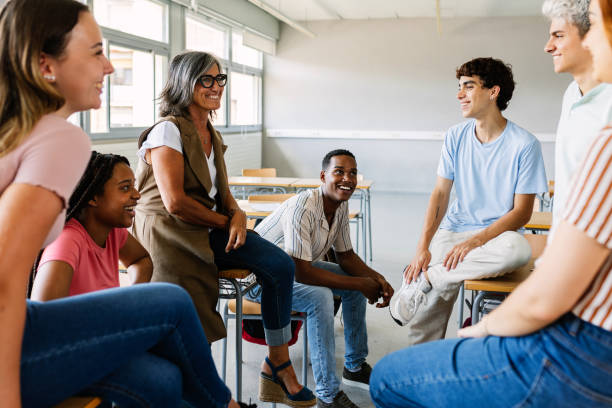
Enhancing coaching effectiveness requires targeted strategies for working with gifted teens, empowering their families, and fostering personal growth. By focusing on these areas, coaches can have a more profound impact.
Strategies for Gifted Teens
Effective coaching for gifted teens involves implementing strategies tailored to their unique needs. These strategies help in nurturing their potential while addressing emotional and personal challenges.
Goal Setting: Help teens set realistic and achievable goals.
Skill Development: Focus on developing both academic and emotional skills.
Feedback and Reflection: Encourage regular reflection to promote self-awareness.
Case Study: A gifted teen struggling with anxiety might benefit from strategies like mindfulness and cognitive-behavioral techniques. Read more.
Key Takeaway: Personalized strategies are crucial for effective coaching.
Actionable Advice: Regularly assess and adapt strategies based on the teen’s progress and feedback.
Empowering Families
Empowering families is a critical component in the coaching process. Families provide support systems that influence the emotional and personal development of gifted teens.
Real-world example: Workshops that educate parents on cultural sensitivity can enhance their understanding and support of their child’s unique needs. Find out more.
Insight: Families who are informed about cultural sensitivity can better advocate for their teens.
Recommendation: Encourage family participation in coaching sessions and workshops.
Actionable Advice:
Offer resources and support for parents to learn about cultural sensitivity.
Create family-centered coaching plans that involve parents in goal-setting and reflection.
Organize parent support groups to share experiences and strategies.
Fostering Personal Growth
Fostering personal growth in gifted teens involves providing opportunities for them to explore their interests and develop their identities. This growth contributes to their overall well-being.
Real-world example: Gifted programs that incorporate cultural awareness activities often see increased personal growth among participants.
Insight: Personal growth is enhanced when teens are encouraged to explore and express their cultural identities.
Recommendation: Include cultural projects and exploration in coaching plans.
Actionable Advice:
Encourage teens to set personal growth goals related to their cultural interests.
Support participation in culturally enriching activities and events.
Provide mentorship opportunities with diverse role models.
The Path to Emotional Development

The path to emotional development involves cultivating emotional intelligence, overcoming anxiety and perfectionism, and nurturing a supportive environment. These elements are essential for the holistic growth of gifted teens.
Cultivating Emotional Intelligence
Cultivating emotional intelligence in gifted teens equips them with the skills to navigate complex emotions. This process involves teaching self-awareness, self-regulation, and empathy.
Conceptual Explanation: Emotional intelligence refers to the ability to understand and manage one’s emotions, as well as the emotions of others. It is a critical aspect of personal growth.
Self-Awareness: Encourage teens to reflect on their emotions and identify triggers.
Self-Regulation: Teach strategies for managing emotions in a healthy manner.
Empathy: Foster understanding and compassion towards others.
Case Study: A teen who practices emotional intelligence techniques might handle peer pressure and academic stress more effectively, showing resilience in challenging situations.
Key Takeaway: Emotional intelligence is a lifelong skill that enhances personal and interpersonal relationships.
Actionable Advice: Incorporate emotional intelligence training into coaching sessions.
Overcoming Anxiety and Perfectionism
Gifted teens often face anxiety and perfectionism, which can hinder their progress. Overcoming these challenges requires specific strategies and support.
Conceptual Explanation: Anxiety refers to feelings of worry or fear, often about future events. Perfectionism is the pursuit of flawlessness and can lead to stress and burnout.
Strategies:
Mindfulness Practices: Encourage regular mindfulness to reduce anxiety.
Cognitive-Behavioral Techniques: Teach techniques to challenge perfectionistic thoughts.
Supportive Environment: Create a safe space for expressing fears and concerns.
Real-world example: Teens who engage in mindfulness practices report lower anxiety levels and improved focus.
Insight: Supportive strategies can significantly reduce anxiety and perfectionistic tendencies.
Recommendation: Include anxiety management techniques in coaching plans.
Nurturing a Supportive Environment
A supportive environment is crucial for the emotional development of gifted teens. It provides the foundation for them to explore and express their emotions safely.
Conceptual Explanation: A supportive environment is one where teens feel safe, valued, and encouraged to express themselves without fear of judgment.
Steps to Nurture Support:
Open Communication: Foster honest and open dialogue.
Cultural Inclusivity: Encourage acceptance and celebration of diverse cultures.
Positive Reinforcement: Provide encouragement and positive feedback.
Case Study: In a culturally inclusive classroom, students report feeling more accepted and motivated to achieve their goals.
Key Takeaway: A nurturing environment enhances emotional development and resilience.
Actionable Advice: Regularly evaluate the environment to ensure it remains supportive and inclusive.
By integrating cultural sensitivity into coaching practices, we empower gifted teens and their families toward emotional and personal growth. This commitment to understanding and valuing diversity enriches the coaching experience, paving the way for successful outcomes. 🌟

A certified Heal Your Life® Coach with 20+ years in education and emotional development. Supports gifted teens in navigating anxiety, perfectionism, and identity challenges, while equipping parents with practical tools for lasting transformation. Sessions blend emotional healing, mindset mastery, and strategic empowerment.