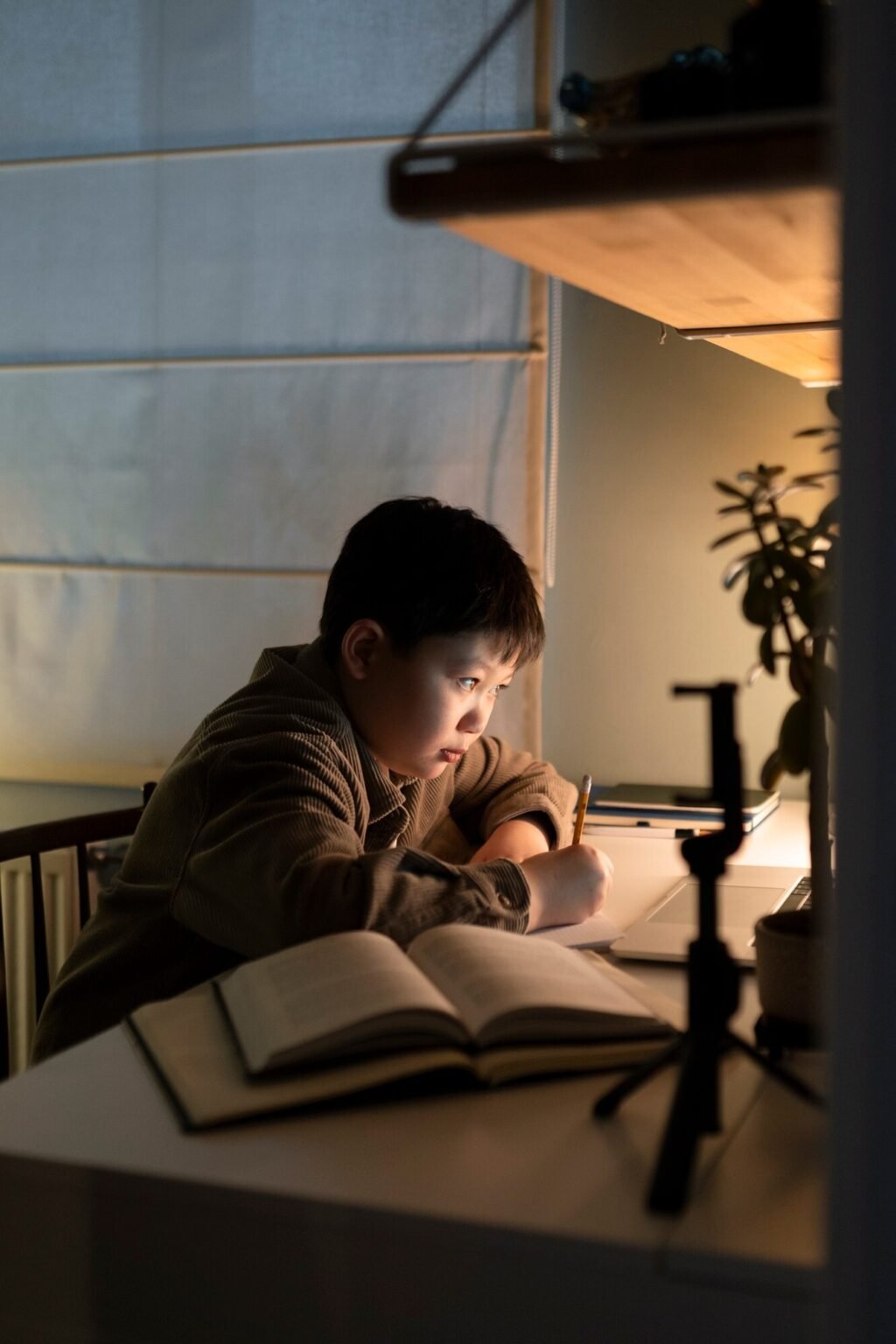
What qualifies as a gifted child involves exceptional intellectual, creative, or emotional abilities that go beyond high IQ scores, including advanced problem-solving, intense curiosity, and heightened sensitivity that require specialized support and nurturing.
What qualifies as a gifted child? It’s more than just high IQ scores. Have you ever wondered what signs really point to giftedness? Let’s explore some traits and stories that might surprise you and help you spot potential early on.
Understanding Giftedness Beyond IQ
Giftedness is often misunderstood as only having a high IQ score, but it goes far beyond that. Understanding giftedness beyond IQ includes recognizing diverse talents, creativity, problem-solving skills, and emotional depth. Gifted children may excel in areas such as arts, music, or leadership, which standardized IQ tests might not capture. They often show intense curiosity and a passion for learning, seeking deeper knowledge about topics that interest them.
Many gifted children think differently from their peers, showing advanced reasoning or unique perspectives. This can sometimes lead to frustration if their intellectual needs are not met or understood. Recognizing behavioral traits such as high sensitivity, perfectionism, or asynchronous development—that is, uneven progress across skill areas—helps in identifying giftedness more accurately.
It is important to remember that gifted children come from all backgrounds and that their abilities and challenges can be very different. Giftedness should be seen as a complex and multi-dimensional trait, not just a number on a test. Parents, teachers, and caregivers should look for a variety of signs and support the whole child to foster their talents and well-being.
common characteristics of gifted children
Gifted children tend to share several common characteristics that set them apart from their peers. One key trait is advanced cognitive abilities, which allow them to understand complex concepts earlier than expected. They often exhibit excellent memory and quick learning skills, grasping new information rapidly.
Many gifted children show intense curiosity and a love for exploring new ideas. This can lead to self-motivation and persistence when tackling challenges. Another typical characteristic is heightened sensitivity, both emotionally and to sensory input, meaning they may react more deeply to situations or stimuli that others might not notice.
Socially, gifted children might prefer the company of older kids or adults, as they seek intellectual companionship. They may also display strong creativity through storytelling, problem-solving, or artistic expression. Some gifted children tend toward perfectionism and can be highly self-critical when things don’t go as planned.
Recognizing these traits in your child can help you provide appropriate support and encouragement, ensuring their talents are nurtured while addressing any emotional or social challenges that arise.
How to support and nurture gifted children
Supporting and nurturing gifted children requires a thoughtful and personalized approach. These children thrive when their unique needs are met with patience and understanding. One important step is providing challenging and stimulating learning opportunities that capture their interest and push their abilities further.
Encouragement is key. Gifted children often face perfectionism and fear of failure, so fostering a growth mindset helps them embrace mistakes as part of learning. Open communication about emotions and challenges encourages emotional development, helping gifted kids cope with heightened sensitivities.
Creating a balanced environment is essential too. While academic growth matters, gifted children also benefit from social activities and downtime to prevent burnout. Connecting them with peers who share similar interests can boost their confidence and social skills.
Collaboration between parents, teachers, and counselors ensures that gifted children receive support both at home and in school. Tailored educational plans and enrichment opportunities can help them reach their full potential while maintaining a healthy, happy childhood.
Supporting gifted children is key to their success
Understanding and nurturing gifted children helps them grow both intellectually and emotionally. Providing challenges, encouragement, and a balanced environment is essential for their development.
Working together with parents, teachers, and counselors ensures gifted children get the support they need at school and home. This approach fosters their talents and helps them enjoy a happy, healthy childhood.
By recognizing their unique needs and encouraging their strengths, gifted children can reach their full potential and make the most of their abilities.
FAQ – common questions about gifted children
What qualifies a child as gifted?
A gifted child shows exceptional abilities in one or more areas like thinking, creativity, or emotional depth, beyond just a high IQ score.
What are the common traits of gifted children?
Gifted children often have advanced reasoning skills, intense curiosity, creativity, sensitivity, and sometimes perfectionism.
How can I support a gifted child at home?
Provide challenging learning activities, encourage a growth mindset, and ensure a balanced routine with time for socialization and relaxation.
Why do gifted children sometimes feel frustrated or bored?
They may become bored or frustrated if not challenged enough or if their unique learning needs are not understood and met.
Can emotional sensitivity be a sign of giftedness?
Yes, many gifted children are more emotionally sensitive, showing deeper feelings and reactions to their environment.
How do schools support gifted children?
Schools may provide tailored educational plans, enrichment programs, and specialized support through collaboration with parents and counselors.

A certified Heal Your Life® Coach with 20+ years in education and emotional development. Supports gifted teens in navigating anxiety, perfectionism, and identity challenges, while equipping parents with practical tools for lasting transformation. Sessions blend emotional healing, mindset mastery, and strategic empowerment.



