Empowering the Gifted: Top Strategies for Educators to Foster Resilience and Confidence
Gifted students often carry the weight of the world on their shoulders. The pressure to excel can overshadow their emotional needs, leaving educators searching for ways to support them. What if there were educator strategies that not only bolster emotional resilience but also spark confidence in these bright minds? In this blog, you’ll uncover practical methods to nurture the well-being of gifted students, ensuring they’re not just surviving but thriving. Let’s delve into the heart of gifted education support, where every student feels empowered and understood.## Nurturing Emotional Resilience
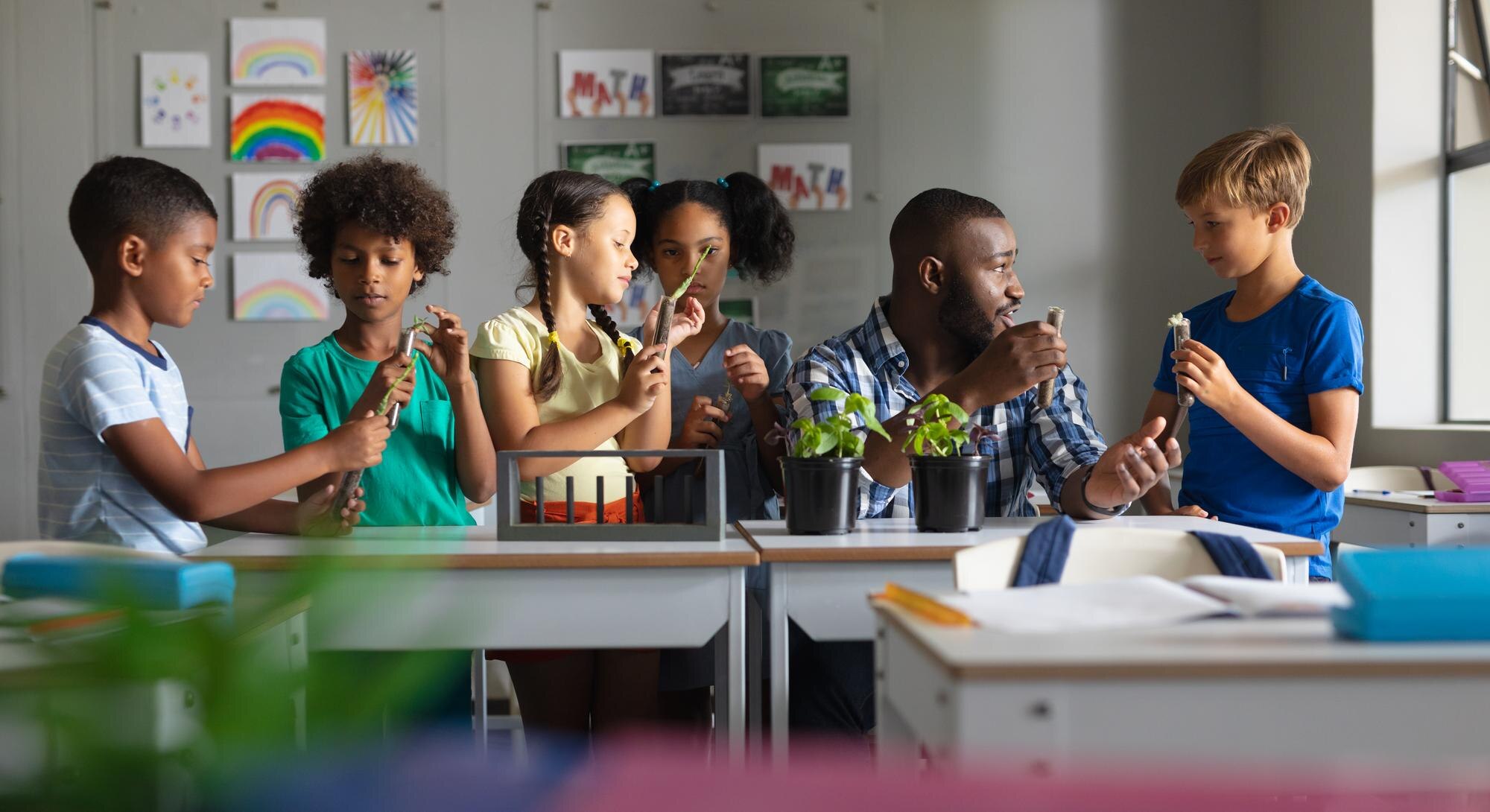
Gifted students often face unique emotional challenges. Their heightened sensitivity and awareness can lead to stress and anxiety. By nurturing emotional resilience, educators can help these students manage their emotions effectively and thrive. Let’s explore how creating a supportive environment and encouraging healthy expression can make a significant difference.
Creating a Safe Space
Creating a safe space in the classroom is crucial for fostering emotional resilience among gifted students. A supportive environment allows students to express themselves without fear of judgment. Encourage open dialogue and make it clear that all feelings are valid. This affirmation helps students feel accepted and understood.
Design a comfortable classroom setting: Use calming colors and flexible seating arrangements to make the space inviting.
Establish clear guidelines: Promote respect and empathy among students to ensure everyone’s voice is heard.
Regularly check in with students: Offer one-on-one sessions to discuss their feelings and concerns.
A real-world example comes from Genie Academy, where teachers incorporate mindfulness practices. This approach helps students center themselves and manage stress.
This supportive atmosphere cultivates emotional resilience by allowing students to explore their emotions and develop coping strategies.
Encouraging Healthy Expression
Encouraging healthy expression is vital for emotional resilience. Gifted students often struggle to articulate their complex thoughts and feelings. Providing them with varied outlets for expression can aid in emotional clarity.
Art and music: Offer creative assignments to let students express emotions visually or through sound.
Journaling: Encourage regular journaling to help students process and reflect on their experiences.
Group discussions: Facilitate discussions where students can share ideas and support each other.
Gifted Challenges highlights the importance of expression in building resilience. The blog notes that students who regularly express their emotions are better equipped to handle stress.
By integrating these practices, educators can empower gifted students to express themselves healthily, enhancing their emotional resilience.
Building Confidence in Gifted Students
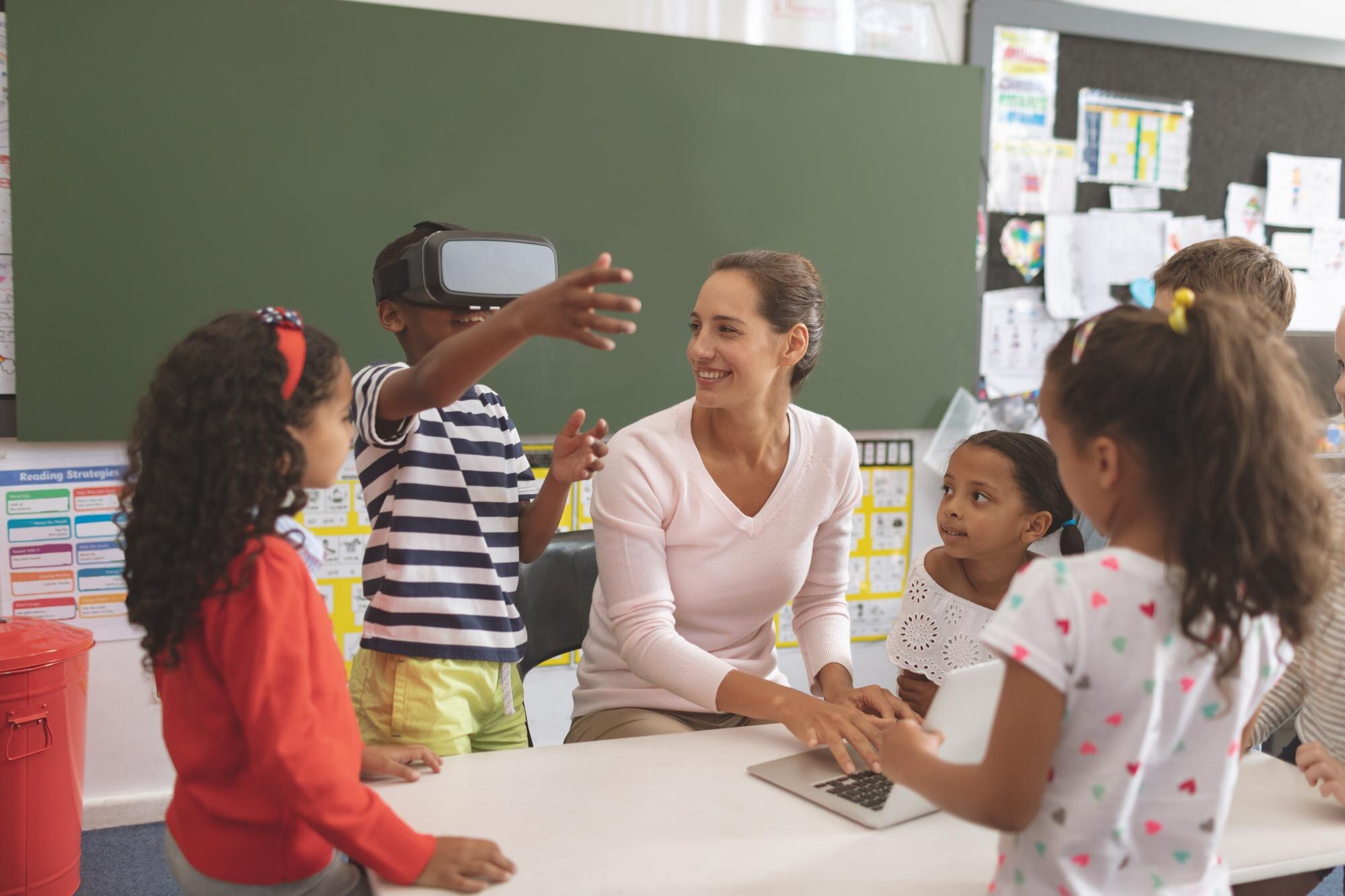
Building confidence is key to helping gifted students reach their full potential. When students believe in their abilities, they are more willing to take risks and embrace challenges. Here, we discuss how celebrating individual strengths and setting realistic expectations can boost confidence.
Celebrating Individual Strengths
Celebrating individual strengths helps gifted students recognize their unique talents. When students see their abilities acknowledged, it fosters a sense of pride and self-worth. Highlight each student’s achievements and provide opportunities for them to showcase their skills.
Create a strengths-based classroom: Use student strengths as a foundation for learning activities.
Acknowledge achievements: Publicly recognize individual successes and contributions.
Encourage peer recognition: Facilitate activities where students identify and commend each other’s strengths.
The National Association for Gifted Children emphasizes the importance of focusing on strengths. Acknowledging these can significantly boost a student’s confidence.
This approach ensures that gifted students feel valued, promoting self-assurance and motivation.
Setting Realistic Expectations
Setting realistic expectations is crucial for sustaining confidence in gifted students. Unrealistic goals can lead to frustration and diminished self-esteem. It’s essential to establish attainable targets that challenge without overwhelming.
Assess individual capabilities: Tailor expectations to each student’s strengths and areas for growth.
Collaborate with students: Involve them in setting and reviewing their goals.
Provide constructive feedback: Celebrate progress and offer guidance for improvement.
ESCCO provides resources for educators to set achievable goals. By aligning expectations with student capabilities, educators can help students build confidence.
By setting realistic expectations, educators foster a sense of accomplishment and encourage a growth mindset in gifted students.
Educator Strategies for Gifted Education Support

Educators play a pivotal role in supporting gifted students’ emotional and academic development. Effective strategies are essential for creating an environment where these students can thrive. Let’s explore personalized learning approaches and collaborative support networks.
Personalized Learning Approaches
Personalized learning approaches cater to the unique needs of gifted students, providing them with the appropriate level of challenge and support. This strategy involves tailoring the curriculum to individual learning styles and paces.
Differentiated instruction: Modify content, process, and products based on students’ needs.
Flexible pacing: Allow students to progress through material at their own speed.
Interest-based projects: Design activities that align with students’ passions and curiosity.
Gifted Challenges suggests that personalization helps maintain student engagement and motivation.
By implementing personalized approaches, educators can create a learning environment that nurtures gifted students’ unique abilities.
Collaborative Support Networks
Collaborative support networks involve teaming up with colleagues, parents, and professionals to enhance gifted education support. This approach ensures a comprehensive support system for students.
Engage with parents: Regular communication with parents helps them understand and support their child’s development.
Partner with specialists: Collaborate with counselors and psychologists for additional insights and support.
Professional development: Attend workshops and training sessions to stay informed on best practices.
Gifted Challenges stresses the importance of community in supporting gifted students.
By building collaborative networks, educators can provide holistic support, ensuring gifted students receive the guidance they need to thrive.

A certified Heal Your Life® Coach with 20+ years in education and emotional development. Supports gifted teens in navigating anxiety, perfectionism, and identity challenges, while equipping parents with practical tools for lasting transformation. Sessions blend emotional healing, mindset mastery, and strategic empowerment.



