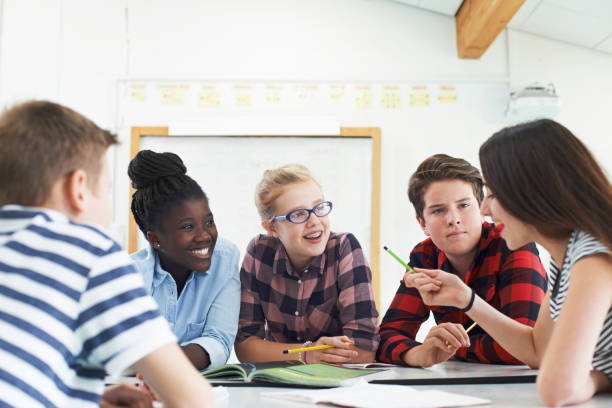
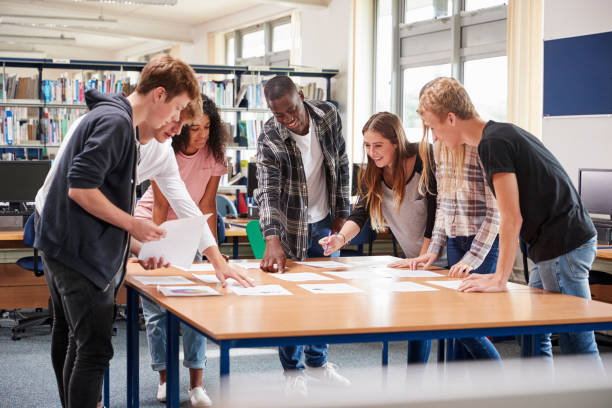
Group Of Teenage Students Collaborating On Project In Classroom
Empowering Gifted Students: Top Strategies for Educators to Foster Resilience and Confidence
Gifted students often face unique challenges that require more than academic support. You see their potential, yet their emotional struggles can overshadow their brilliance. Imagine turning those challenges into strengths, fostering a sense of resilience and confidence that propels them forward. In this guide, we’ll explore hands-on strategies that empower educators to support gifted students’ emotional growth. You’ll gain insights to create an environment where these young minds can truly flourish. Ready to transform your approach? Let’s dive in. Learn more about developing resilience in gifted students here.
Building Emotional Resilience
Building emotional resilience in gifted students is crucial for their personal and academic growth. It involves teaching them to handle stress, overcome obstacles, and adapt to change. By fostering resilience, educators can help these students turn potential challenges into opportunities for growth.
Encourage Self-Reflection
Self-reflection is a key tool in developing emotional resilience. It allows gifted students to process their experiences and emotions, leading to greater self-awareness and understanding. Encourage students to keep a journal to document their thoughts and feelings. This habit helps them identify patterns in their reactions and develop strategies to manage them better.
By reflecting on their actions and emotions, students can learn to recognize triggers that cause stress or anxiety. This awareness is the first step in managing these emotions proactively. Additionally, using guided questions can lead students to deeper insights. Questions like “What could I have done differently?” or “How did this situation make me feel?” can be very revealing.
Encouraging students to share their reflections in a safe environment can also be beneficial. This practice not only enhances self-awareness but also builds communication skills. For more insights on fostering emotional resilience, check out this resource.
Develop Problem-Solving Skills
Teaching problem-solving skills is another essential component of building resilience. Gifted students often face complex issues that require creative solutions. Start by helping students break down problems into smaller, more manageable parts. This approach makes challenges seem less overwhelming and more approachable.
Identify the problem: Clearly define what needs to be solved.
Generate solutions: Encourage brainstorming to come up with multiple solutions.
Evaluate and implement: Assess the potential outcomes of each solution and choose the best one to implement.
Problem-solving encourages critical thinking and empowers students to take control of their circumstances. It fosters a sense of agency and capability, which are key elements of resilience. Educators can use real-world scenarios to practice these skills, making learning relevant and engaging.
Case Study Example: A gifted student struggling with time management can benefit from problem-solving techniques. By identifying the root cause, brainstorming solutions, and evaluating their effectiveness, the student can develop a personalized approach to managing their time more effectively.
Boosting Student Confidence
Confidence is a vital trait that can propel gifted students toward success. It enables them to take risks, engage in new experiences, and express their ideas. Educators play a key role in nurturing confidence through positive reinforcement and supportive interactions.
Celebrate Individual Strengths
Recognizing and celebrating individual strengths is a powerful way to boost confidence among gifted students. Every student has unique talents and abilities, and acknowledging these can reinforce their self-worth.
Educators can highlight strengths through various activities:
Portfolio Projects: Allow students to create portfolios showcasing their work and achievements.
Public Recognition: Celebrate achievements during class or school-wide announcements.
Personalized Feedback: Provide specific, positive feedback on students’ work and contributions.
These practices help students see their own capabilities and value. Encouraging peer recognition also builds a supportive community where students feel valued and respected. For more strategies on boosting confidence, visit this article.
Create a Supportive Environment
A supportive environment is essential for fostering confidence. It involves creating a classroom culture where students feel safe to express themselves and take risks without fear of judgment.
To cultivate such an environment:
Encourage open dialogue: Let students voice their opinions and ideas freely.
Model positive behavior: Demonstrate respect and empathy in interactions.
Promote collaboration: Encourage teamwork and mutual support among students.
A classroom that values respect and cooperation helps students gain the confidence to explore new interests and challenges. Educators can find further guidance on creating supportive environments in this resource.
Practical Educational Strategies

Gifted education requires strategies that cater to the unique needs of gifted students. These strategies ensure that students not only excel academically but also grow emotionally and socially.
Foster a Growth Mindset
A growth mindset can transform the educational experience for gifted students. It involves the belief that abilities can be developed through dedication and effort, encouraging resilience and persistence.
To foster a growth mindset:
Use positive language: Reinforce effort over innate ability.
Set achievable goals: Help students set realistic, incremental goals.
Encourage learning from mistakes: View errors as opportunities for growth.
Educators should model this mindset by sharing their own learning experiences. Highlighting stories of perseverance can also inspire students to embrace challenges. For further reading on this topic, check out this resource.
Encourage Peer Collaboration
Peer collaboration is an effective educational strategy that promotes learning and social skills. By working together, gifted students can learn from each other’s strengths and perspectives, enhancing their overall educational experience.
Collaboration can be fostered through:
Group Projects: Assign projects that require teamwork and shared responsibility.
Peer Feedback: Encourage students to provide constructive feedback to one another.
Study Groups: Facilitate study sessions that promote cooperative learning.
Through collaboration, students develop communication skills and learn to appreciate diverse viewpoints. This practice also prepares them for future collaborative work environments. More insights on peer collaboration can be found here.
🎓✨

A certified Heal Your Life® Coach with 20+ years in education and emotional development. Supports gifted teens in navigating anxiety, perfectionism, and identity challenges, while equipping parents with practical tools for lasting transformation. Sessions blend emotional healing, mindset mastery, and strategic empowerment.