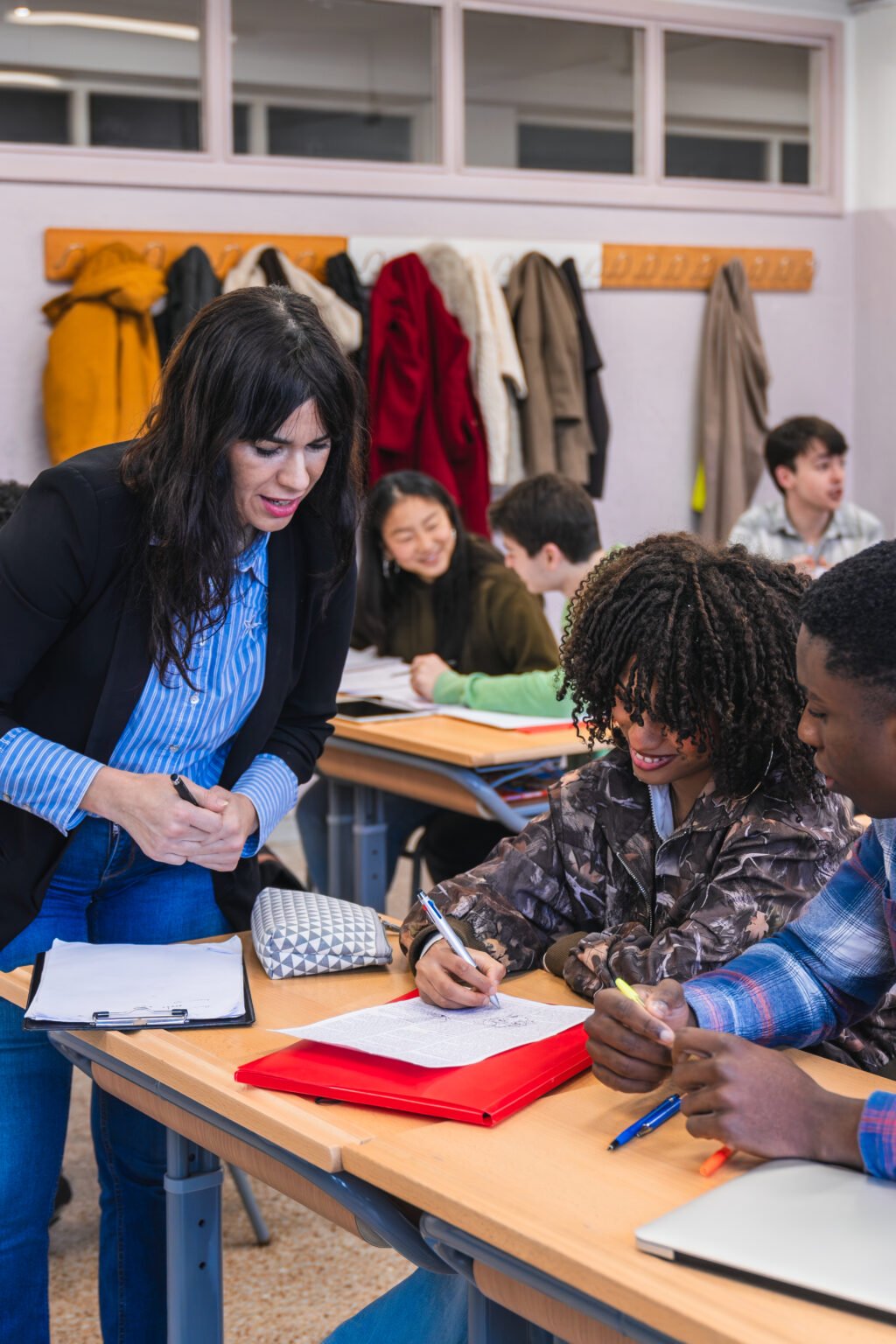
High school teacher is bending over and assisting two of her students with their classwork
Top Strategies for Educators to Foster Resilience and Confidence in Gifted Students
Gifted students face challenges that can leave them feeling overwhelmed and misunderstood. You see their potential, but how do you help them build resilience and confidence? You’re not alone in this quest. As an educator, you hold the key to unlocking their emotional wellness. This guide will arm you with effective strategies to support these brilliant minds. Ready to make a difference? Discover the tools that empower you to nurture resilience and confidence in your gifted students, and join workshops that enhance your skills even further. Learn more about building resilience strategies here.
Building Emotional Resilience
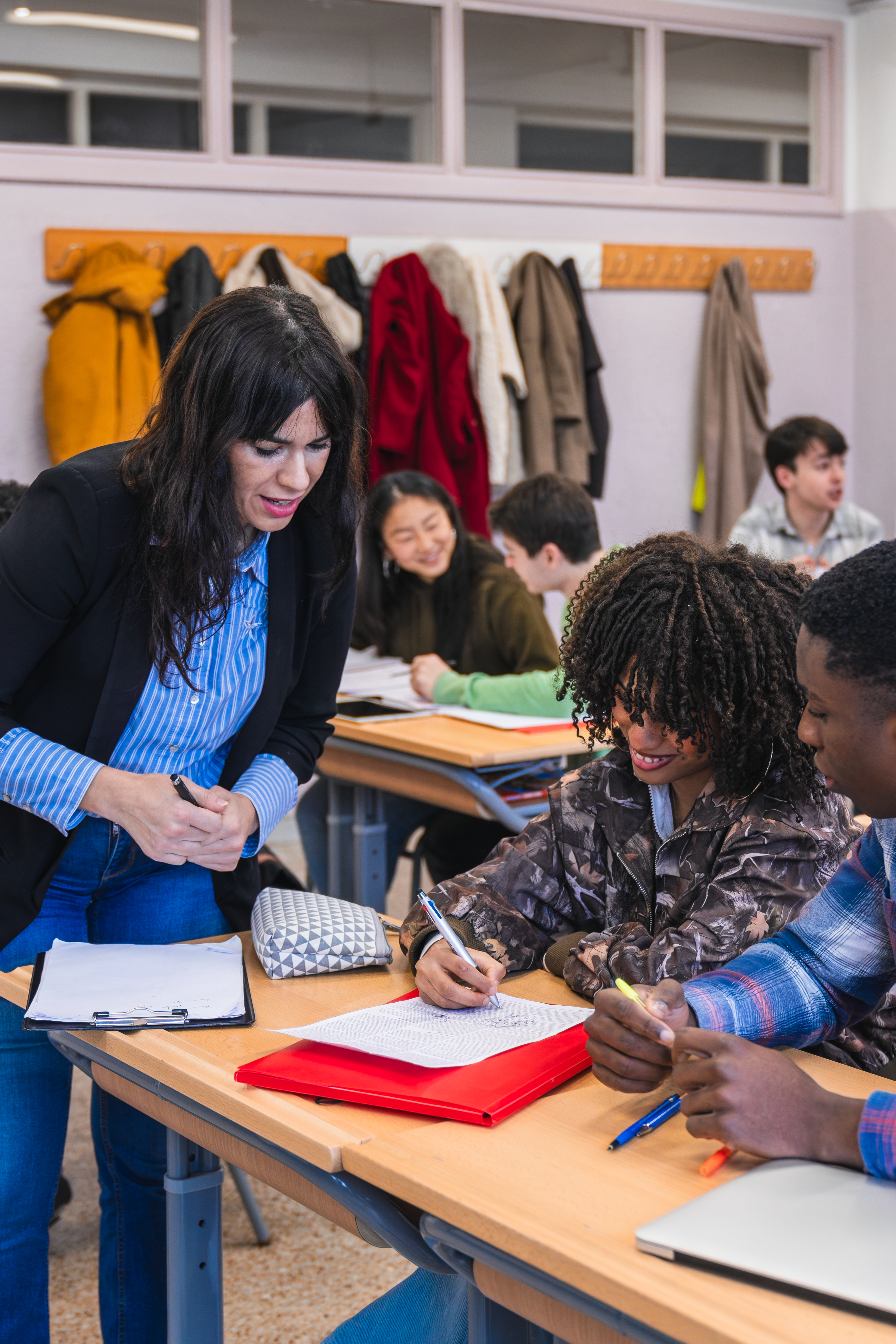
Gifted students often encounter emotional challenges that can impede their growth and well-being. Developing resilience is crucial for navigating these obstacles. Emotional resilience helps gifted students cope with stress, adapt to change, and maintain a positive outlook, ultimately leading to better overall well-being.
Understanding Gifted Students’ Challenges
Gifted students face unique hurdles. They often experience high expectations and pressure, both externally and internally. This pressure can lead to anxiety and perfectionism. Understanding these challenges is the first step in building resilience.
Gifted students might feel isolated due to their capabilities, leading to social challenges. They may struggle with finding peers who share their interests and intellectual curiosity. This isolation can impact their emotional wellness.
Moreover, the fear of failure often haunts gifted students. They may avoid risks to prevent making mistakes. Understanding these issues helps educators provide targeted support, fostering resilience. For more insights, learn about developing resilience in gifted students here.
Practical Tools for Resilience
Providing practical tools can empower gifted students to build resilience. Encouraging regular reflection helps them understand their emotions and reactions. This self-awareness is fundamental for emotional growth.
Journaling is an effective tool. It allows students to express their thoughts and feelings, providing clarity and reducing stress. Guided meditation can also help them manage anxiety and focus their minds.
Incorporating resilience-building activities into the curriculum is beneficial. Group discussions and collaborative projects encourage teamwork and social interaction, addressing isolation. These tools collectively contribute to a supportive environment, enhancing resilience. Explore more tools for teaching gifted students here.
Boosting Confidence in Gifted Students

Confidence is key for gifted students to thrive. By fostering a sense of self-assurance, educators can help students embrace their abilities and potential. Confidence empowers them to take risks, learn from failures, and pursue their passions.
Nurturing a Growth Mindset
Nurturing a growth mindset is pivotal in boosting confidence. This mindset encourages students to view challenges as opportunities for growth rather than obstacles. It shifts focus from fixed abilities to developing skills through effort.
Emphasize Effort: Highlight the importance of hard work over innate talent.
Celebrate Mistakes: Encourage learning from errors as a natural part of growth.
Provide Constructive Feedback: Offer specific, actionable suggestions for improvement.
Real-world applications of a growth mindset show its effectiveness. Students with a growth mindset are more resilient and open to learning. They are also more likely to pursue challenging tasks. Understand how to support the emotional needs of gifted students here.
Encouraging Self-Expression
Self-expression is essential for confidence. It allows gifted students to share their ideas and feelings, fostering a sense of identity and purpose. Art, writing, and public speaking are excellent avenues for self-expression.
Art Projects: Encourage creativity and personal interpretation.
Writing Assignments: Allow students to explore thoughts and ideas.
Public Speaking Opportunities: Build confidence in communicating with others.
These activities help students articulate their thoughts, enhancing self-awareness and confidence. Encouraging self-expression also validates their experiences, promoting emotional wellness. Explore more about helping gifted children build resilience.
Educator Strategies for Emotional Wellness

Educators play a crucial role in promoting emotional wellness for gifted students. By creating supportive environments and engaging in continuous learning, educators can effectively address students’ emotional needs.
Creating a Supportive Environment
Creating a supportive environment involves establishing a space where gifted students feel valued and understood. This environment should promote open communication and mutual respect.
Foster Inclusivity: Encourage diverse perspectives and collaboration.
Provide Emotional Support: Be available to listen and offer guidance.
Set Realistic Expectations: Align goals with students’ abilities and interests.
Such an environment helps students feel secure and motivated, contributing to their emotional wellness. Supportive classrooms are pivotal in fostering resilience and confidence. Learn more about addressing the social-emotional needs of gifted students.
Engaging in Continuous Learning Opportunities
Educators should engage in continuous learning to better support gifted students’ emotional wellness. Staying informed about new strategies and research enhances their ability to address challenges.
Attend Workshops: Gain insights into emotional wellness strategies.
Collaborate with Peers: Share experiences and techniques.
Stay Updated on Research: Incorporate new findings into teaching approaches.
Continuous learning equips educators with tools to foster resilience and confidence in gifted students. It also encourages a proactive approach to emotional wellness. Explore further teaching strategies for gifted students.

A certified Heal Your Life® Coach with 20+ years in education and emotional development. Supports gifted teens in navigating anxiety, perfectionism, and identity challenges, while equipping parents with practical tools for lasting transformation. Sessions blend emotional healing, mindset mastery, and strategic empowerment.



