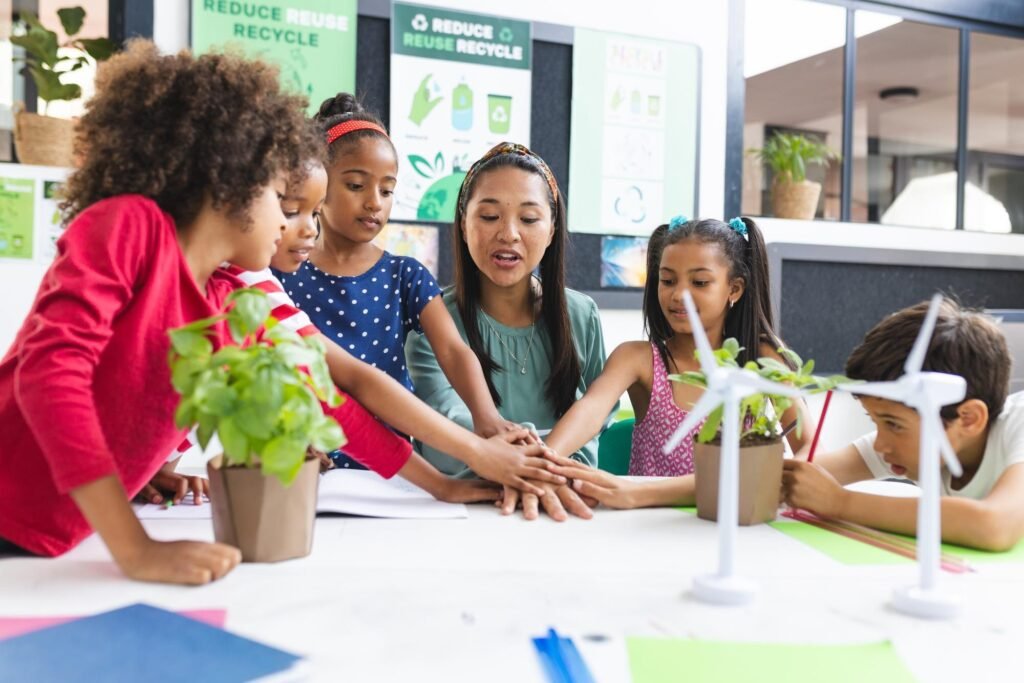
Empowering Gifted Students: Top Strategies for Educators to Foster Resilience and Confidence
Gifted students often face unique challenges that can test their resilience and confidence. As an educator, you know the pressure they feel to excel while managing their emotions. Imagine a classroom where these bright minds not only thrive academically but also grow emotionally. This is your chance to transform that vision into reality. Explore strategies that empower, uplift, and inspire. Learn more about building resilience in gifted students here. Discover how you can make a lasting impact on your students’ lives, nurturing both their talents and their hearts.
Strategies to Empower Gifted Students
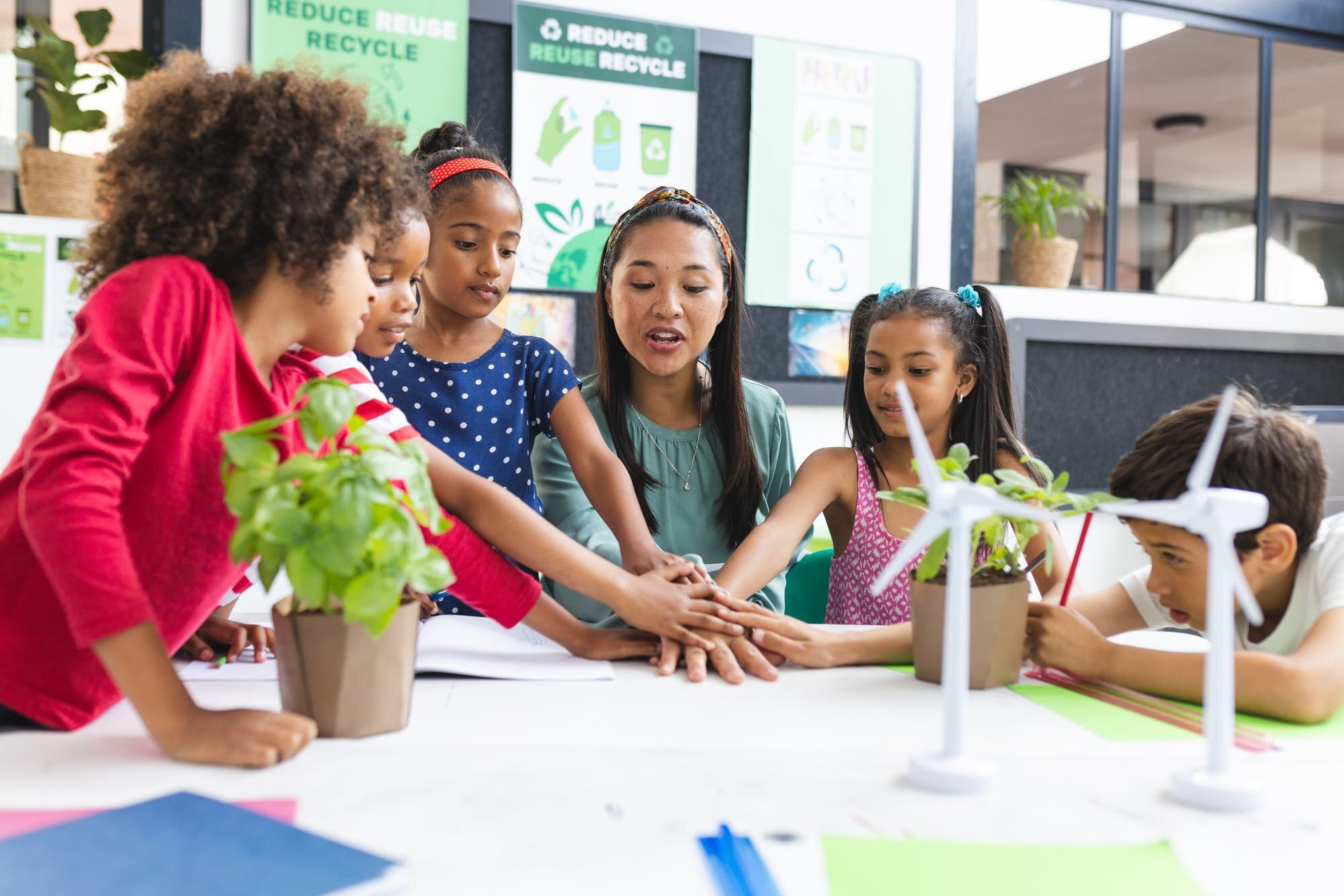
Empowering gifted students involves more than just academic challenges. It’s about nurturing their emotional and personal growth. Educators can adopt various strategies to support these students, ensuring they build resilience and confidence. Let’s explore methods to foster their development.
Building Emotional Resilience
Emotional resilience is crucial for gifted students who often face unique stressors. It’s vital to equip them with tools to handle pressure and setbacks. Encouraging self-awareness can be the first step. Help them recognize their emotions and understand their triggers. This awareness lays the groundwork for emotional regulation.
Creating supportive environments is another key aspect. Classrooms should be safe spaces where students can express emotions without judgment. Encourage open communication and validate their feelings. Resources like this article offer great insights on building these environments.
Incorporating mindfulness practices can also bolster resilience. Techniques such as deep breathing and meditation can calm the mind. Educators might find this blog helpful in integrating these practices into daily routines.
Confidence Through Personalized Learning
Personalized learning can significantly enhance a gifted student’s confidence. Tailoring education to their interests and strengths allows students to excel. Begin by assessing each student’s individual needs and preferences.
Differentiate instruction by offering varied learning paths. For instance, project-based learning can be an effective approach. Students engage deeply with topics they are passionate about, boosting their confidence as they master new skills.
Real-world applications make learning relevant. Connect classroom lessons to real-life scenarios. This not only piques interest but also demonstrates the value of their education. Learn more strategies for teaching gifted students.
Educator Strategies for Success
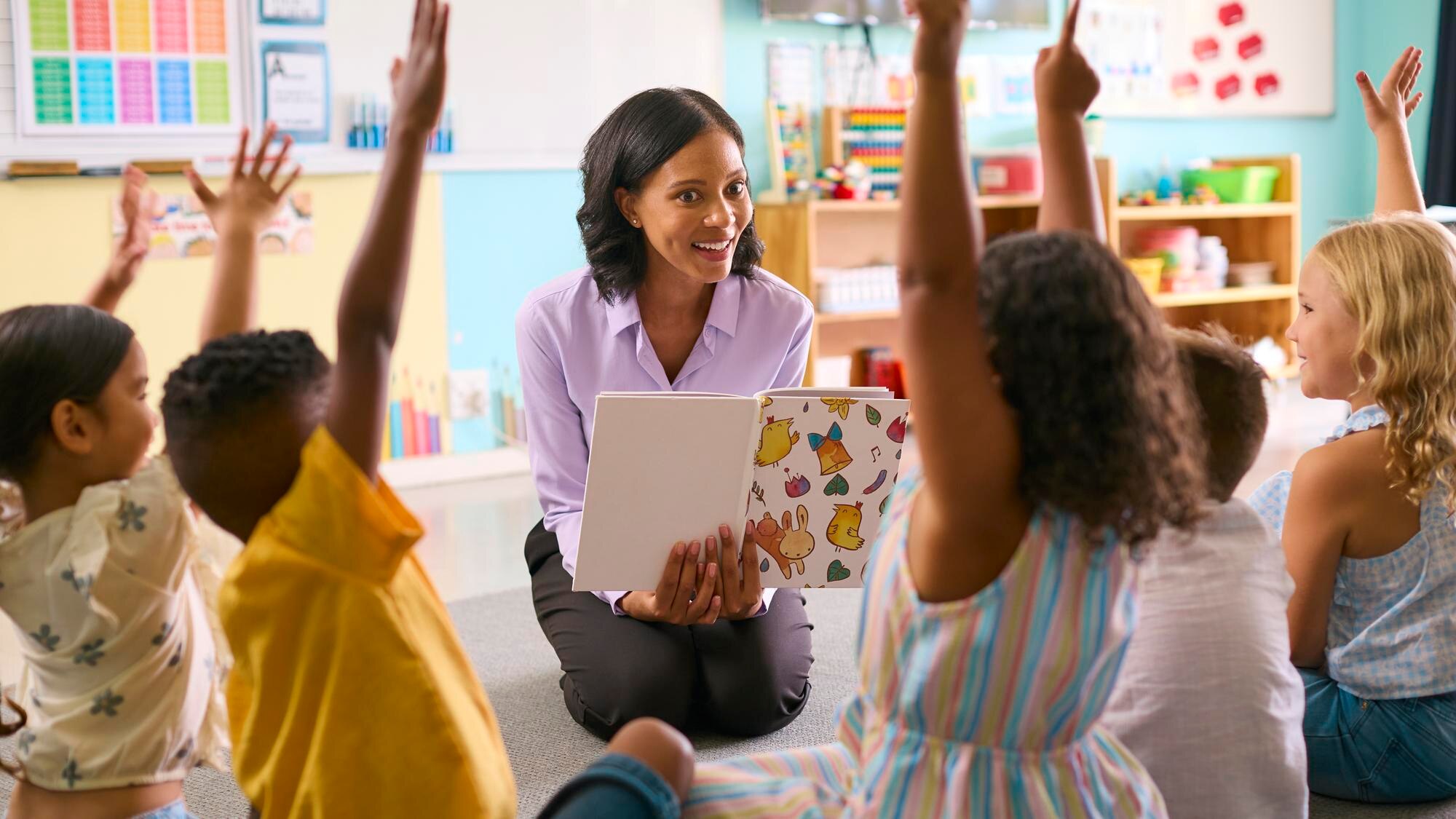
Educators play a pivotal role in nurturing the growth of gifted students. By adopting specific strategies, they can support students’ emotional and academic development, ensuring a balanced learning experience.
Encouraging Emotional Support
Gifted students often need extra emotional support due to their heightened sensitivities. Educators should strive to provide this support through empathy and understanding. Developing strong relationships with students is essential.
Active listening is a crucial skill. By truly listening to students’ concerns, educators can offer meaningful guidance. Model emotional intelligence by sharing personal experiences and how you’ve managed similar situations.
Peer support systems can also be beneficial. Encourage students to support each other by sharing experiences and coping strategies. Resources like this guide can help educators implement effective support systems.
Creating a Safe Learning Environment
A safe learning environment fosters openness and creativity. It’s essential for gifted students to feel secure in their surroundings to explore and express themselves fully. Start by setting clear, consistent expectations for behavior and interaction.
Inclusive classroom practices can help every student feel valued. Use group activities that encourage collaboration and respect for diverse perspectives. This approach builds a community where students can thrive.
Physical classroom setup should also be considered. Arrange spaces to promote interaction and accessibility. Ensure students have areas for individual and group work, catering to their varied needs and preferences.
Fostering Growth and Confidence

Students benefit immensely from an environment that encourages growth and acknowledges their achievements. By creating opportunities for exploration, educators can motivate gifted students to expand their capabilities and reach their full potential.
Celebrating Achievements
Celebrating accomplishments, no matter how small, builds confidence. It’s important to acknowledge progress regularly. Use both verbal praise and tangible rewards to motivate students.
Highlight student work through displays or presentations. This not only boosts self-esteem but also encourages peer recognition. Such practices foster a supportive community.
Individual goal setting is another effective strategy. Work with students to set realistic, achievable goals. Celebrate when they reach these milestones, reinforcing the value of their efforts.
Encouraging Risk-Taking and Exploration
Gifted students may shy away from risks for fear of failure. Encouraging calculated risk-taking can lead to significant growth. Create a culture where mistakes are seen as learning opportunities.
Provide diverse challenges that push students out of their comfort zones. This could include problem-solving tasks or creative projects. Encourage them to explore new interests and ideas.
Reflection exercises can help students learn from their experiences. After each project or task, guide them to reflect on what went well and what could be improved. This practice fosters a growth mindset and resilience.
🌟

A certified Heal Your Life® Coach with 20+ years in education and emotional development. Supports gifted teens in navigating anxiety, perfectionism, and identity challenges, while equipping parents with practical tools for lasting transformation. Sessions blend emotional healing, mindset mastery, and strategic empowerment.



