Unleashing Potential: Adventure-Based Mindset Training for Gifted Teens
Gifted teens are often caught in a whirlwind of expectations, leaving them feeling anxious and overwhelmed. Imagine a world where they could conquer these emotional storms with confidence. Adventure-based mindset training offers this lifeline, blending outdoor challenges with creative problem-solving to build resilience and emotional intelligence. Through this unique approach, gifted teens can step beyond their comfort zones and embrace personal growth. Ready to see your teen thrive? Dive in and discover how this transformative training can make a difference in their lives.
Understanding Adventure-Based Mindset Training
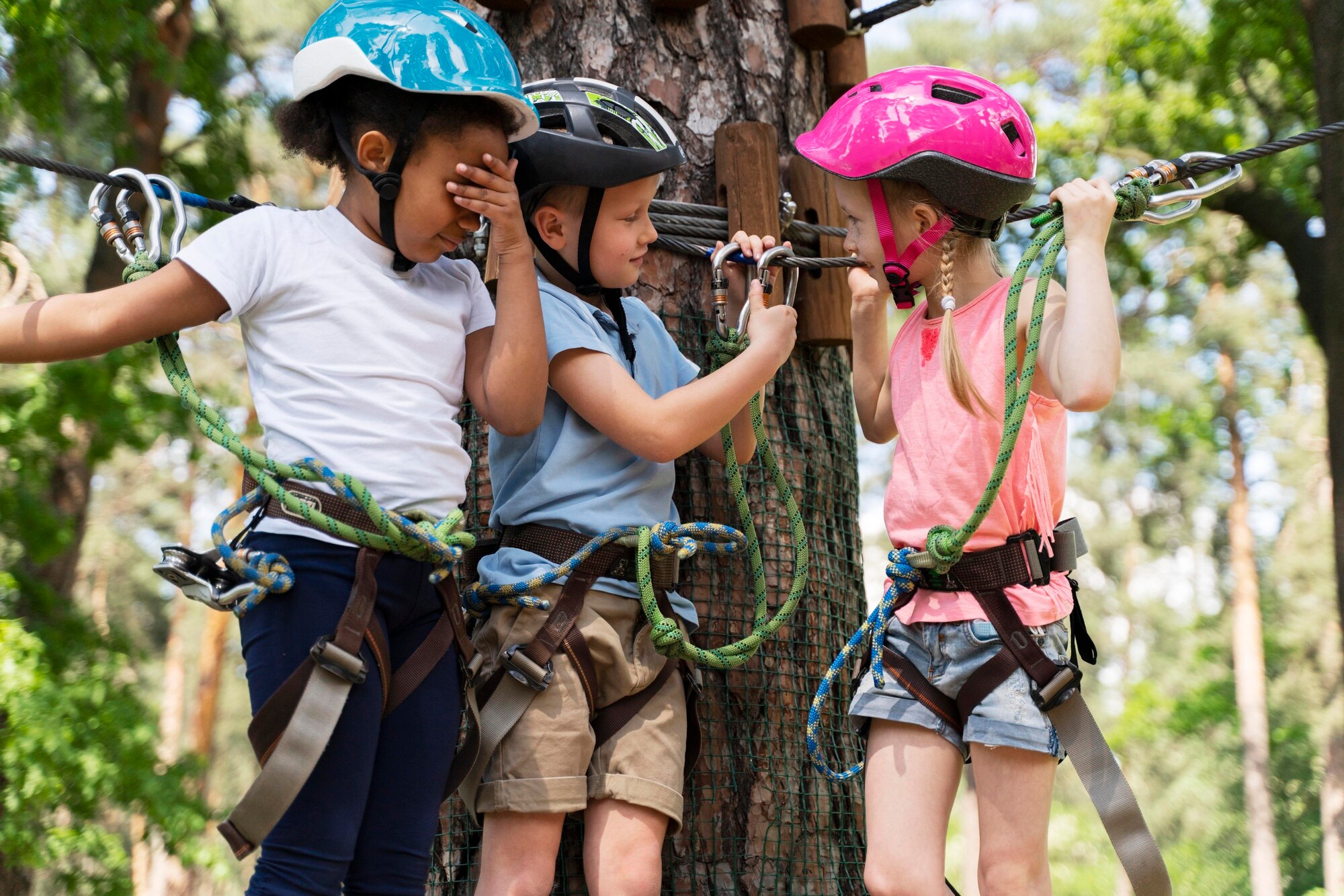
Adventure-based mindset training combines outdoor activities with problem-solving tasks to foster resilience and emotional growth. This section delves into what this training entails and why it’s particularly beneficial for gifted teens.
What is Adventure-Based Mindset Training?
Adventure-based mindset training is a unique approach that leverages outdoor challenges to develop key life skills. It involves engaging teens in activities like rock climbing, hiking, and team-building exercises. These activities are designed to push participants beyond their limits, fostering problem-solving abilities and emotional resilience.
A core element of this training is its focus on experiential learning. Teens learn by doing, which promotes a deeper understanding of their capabilities. According to Newport Academy, this type of therapy helps young individuals connect with their emotions and develop coping strategies.
Through structured challenges, participants learn to adapt, collaborate, and think on their feet. This training not only builds physical endurance but also fortifies mental strength, preparing teens for future challenges.
Why Gifted Teens Benefit from Outdoor Challenges
Gifted teens often face unique pressures that can lead to stress and burnout. Engaging in outdoor challenges allows them to channel their energy and intelligence into constructive activities. By stepping away from academic pressures, they gain a fresh perspective on their abilities and potential.
Outdoor challenges require teens to rely on both their intellect and intuition. Research shows that such activities enhance cognitive flexibility, a crucial skill for problem-solving and creativity.
Moreover, these experiences foster a sense of accomplishment. When teens overcome physical and mental obstacles, they gain a newfound confidence in their abilities, which positively impacts their academic and personal life.
Developing Resilience through Adventure
Resilience is a vital trait for navigating life’s ups and downs. Adventure-based training strengthens this trait by placing teens in real-world scenarios that require quick thinking and adaptability.
Exposure to Challenges: Teens are placed in environments that test their limits, encouraging them to develop coping mechanisms.
Reflection and Feedback: After each activity, participants reflect on their experiences, gaining insights into their strengths and areas for improvement.
Supportive Environment: A supportive atmosphere is crucial, where teens feel safe to explore and make mistakes without fear of judgment.
Programs like those at Clearfork Academy highlight the importance of resilience in mental health, showing that teens who engage in these programs report lower levels of anxiety and higher self-esteem.
Emotional Intelligence and Personal Growth

Emotional intelligence and personal growth are critical for the holistic development of gifted teens. This section explores how adventure-based training aids in cultivating these essential aspects.
Building Emotional Intelligence in Gifted Teens
Emotional intelligence involves recognizing and managing one’s emotions, as well as understanding others. Adventure-based training enhances this by placing teens in diverse situations where they must navigate interpersonal dynamics.
During these activities, teens learn to empathize with peers and communicate effectively. Mission Grit emphasizes that these experiences improve self-awareness and emotional regulation.
Through teamwork and leadership roles, teens develop patience and empathy, which are key components of emotional intelligence. This skill set is invaluable for personal and professional success.
Personal Growth Beyond Comfort Zones
Stepping outside of one’s comfort zone is where true personal growth occurs. Adventure-based training encourages this by immersing teens in unfamiliar environments.
New Challenges: By facing new challenges, teens learn to embrace uncertainty and adapt to change.
Self-Discovery: These experiences facilitate self-discovery, helping teens identify strengths and weaknesses.
Increased Confidence: Accomplishing tasks outside their comfort zones boosts self-confidence, fostering a growth mindset.
The benefits of such growth are clear, as teens learn to face life’s complexities with courage and enthusiasm.
Overcoming Anxiety and Perfectionism
Gifted teens often struggle with anxiety and perfectionism, stemming from high expectations. Adventure-based training provides a constructive outlet for these emotions.
Real-world Scenarios: Teens confront situations where perfection isn’t the goal, but learning is.
Stress Management: Activities promote stress management techniques that teens can apply daily.
Positive Reinforcement: Success in these challenges reinforces the idea that effort, not perfection, is what truly matters.
By tackling these issues head-on, teens gain the tools to manage anxiety and foster a healthy self-image.
Supporting Gifted Teens
Support from parents and educators is crucial in maximizing the benefits of adventure-based mindset training. This section provides insights into how they can effectively support gifted teens.
Empowering Parents with Practical Tools
Parents play a pivotal role in their teen’s journey towards resilience and personal growth. Here are some practical tools to empower parents:
Active Listening: Encourage open communication by listening without judgment.
Encourage Exploration: Support teens in exploring new activities and interests.
Set Realistic Expectations: Help them set achievable goals to prevent burnout.
By implementing these strategies, parents can create a nurturing environment that fosters growth and emotional well-being.
Educators’ Role in Emotional Development
Educators are instrumental in shaping the emotional development of gifted teens. They can support students by integrating adventure-based activities into the curriculum:
Project-Based Learning: Incorporate activities that require teamwork and problem-solving.
Reflective Practices: Encourage students to reflect on their experiences and emotions.
Positive Reinforcement: Provide encouragement and celebrate successes, no matter how small.
By adopting these practices, educators can create a supportive learning environment that nurtures emotional intelligence and personal growth.
Encouraging Self-Love and Confidence
Building self-love and confidence is essential for gifted teens to thrive. Adventure-based training can help, but support from adults is equally important.
Affirmation: Regularly affirm teens’ worth and capabilities.
Celebrate Diversity: Encourage them to embrace their unique qualities.
Model Self-Love: Demonstrate self-love in your life as an example.
By fostering an environment of acceptance and encouragement, teens will learn to appreciate themselves and build lasting confidence.
🌟

A certified Heal Your Life® Coach with 20+ years in education and emotional development. Supports gifted teens in navigating anxiety, perfectionism, and identity challenges, while equipping parents with practical tools for lasting transformation. Sessions blend emotional healing, mindset mastery, and strategic empowerment.