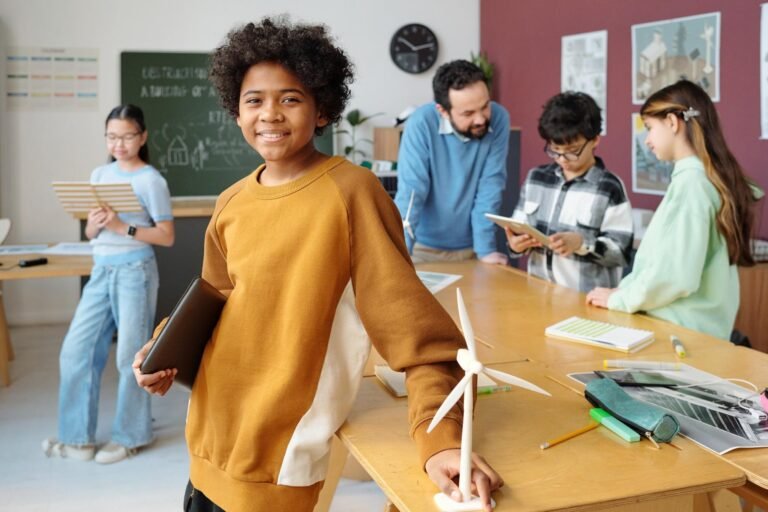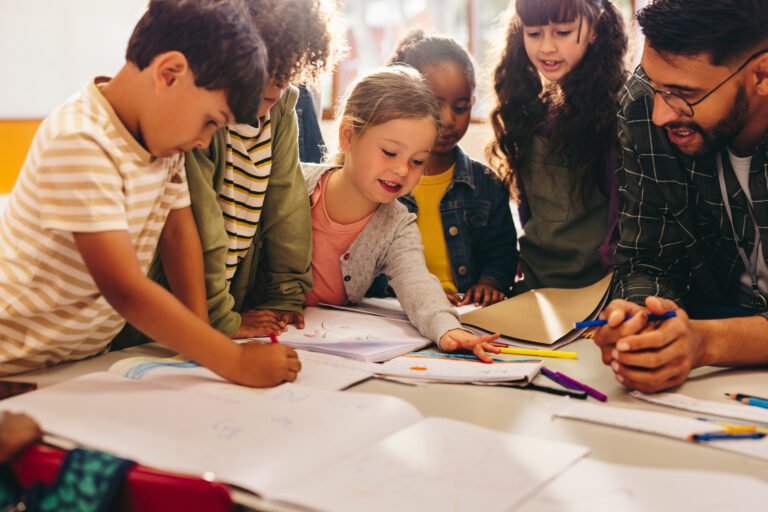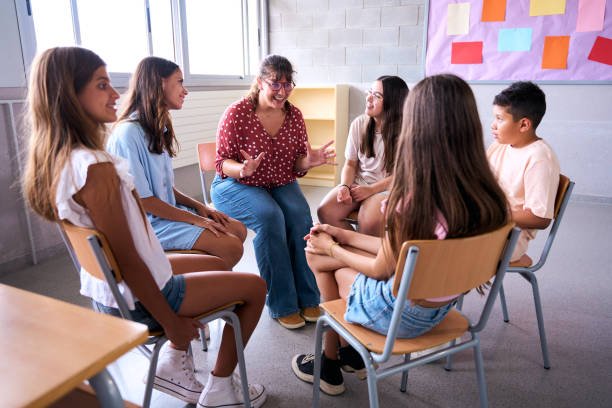
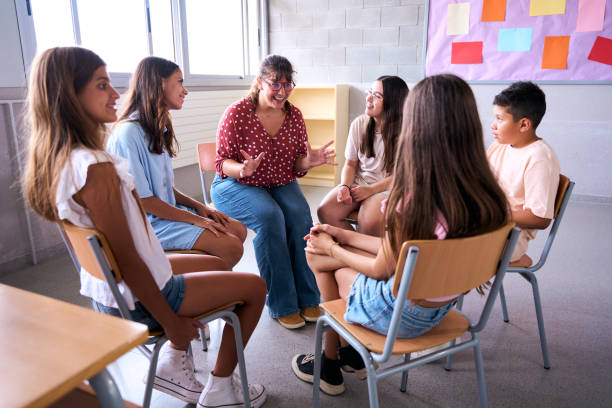
Diverse happy group of primary school children students sitting on chairs in circle interacting during lesson. Pre-adolescents kids talking together to classmates and female teacher in support class
Top Strategies for Educators to Foster Resilience and Confidence in Gifted Students
Helping gifted students thrive isn’t just about academics—it’s about nurturing their heart and spirit too. You might see a brilliant mind battling anxiety or perfectionism, unsure of their own worth. Imagine turning that struggle into strength, building resilience and confidence with practical tools anyone can apply. This isn’t just teaching; it’s a calling. Ready to embrace strategies that empower your students and transform your classroom? VK Creative Circle offers resources to guide you on this rewarding journey. Let’s make a difference together.
Building Emotional Resilience
To foster resilience in gifted students, educators must focus on their emotional and mental well-being. Emotional resilience is the capability to adapt to stress and adversity. By equipping students with tools for self-awareness and coping mechanisms, educators can help them navigate challenges effectively.
Encouraging Self-Awareness
Self-awareness is the foundation of emotional intelligence. It involves understanding one’s emotions, strengths, and weaknesses. For gifted students, it is crucial to recognize their unique emotional landscape.
Foster an environment where students feel safe to express their emotions.
Implement reflective activities, such as journaling or mindfulness exercises.
Encourage open discussions about feelings and experiences.
Real-world example: A teacher introduced a “feeling circle” in her classroom. Students shared emotions without judgment. This practice improved their self-awareness and empathy for others.
Key insight: Regular reflection helps students identify emotional triggers and manage responses better.
According to the National Association for Gifted Children, self-awareness is vital for students to harness their full potential.
Developing Coping Mechanisms
Coping mechanisms are strategies that help individuals manage stress and emotional challenges. Teaching these skills to gifted students can enhance their resilience.
Step-by-step process:
Identify common stressors in students’ lives.
Teach relaxation techniques, such as deep breathing or visualization.
Encourage problem-solving skills through role-playing scenarios.
Case study: A school counselor noticed high stress among her gifted students. She implemented a program teaching coping strategies like time management and prioritization. Students reported reduced anxiety and improved focus.
Recommendations:
Include regular sessions on stress management.
Provide resources and support for students to practice coping techniques.
Collaborate with parents to reinforce these strategies at home.
Resource: Visit Gifted Challenges for more on building resilience strategies.
Confidence Building Strategies
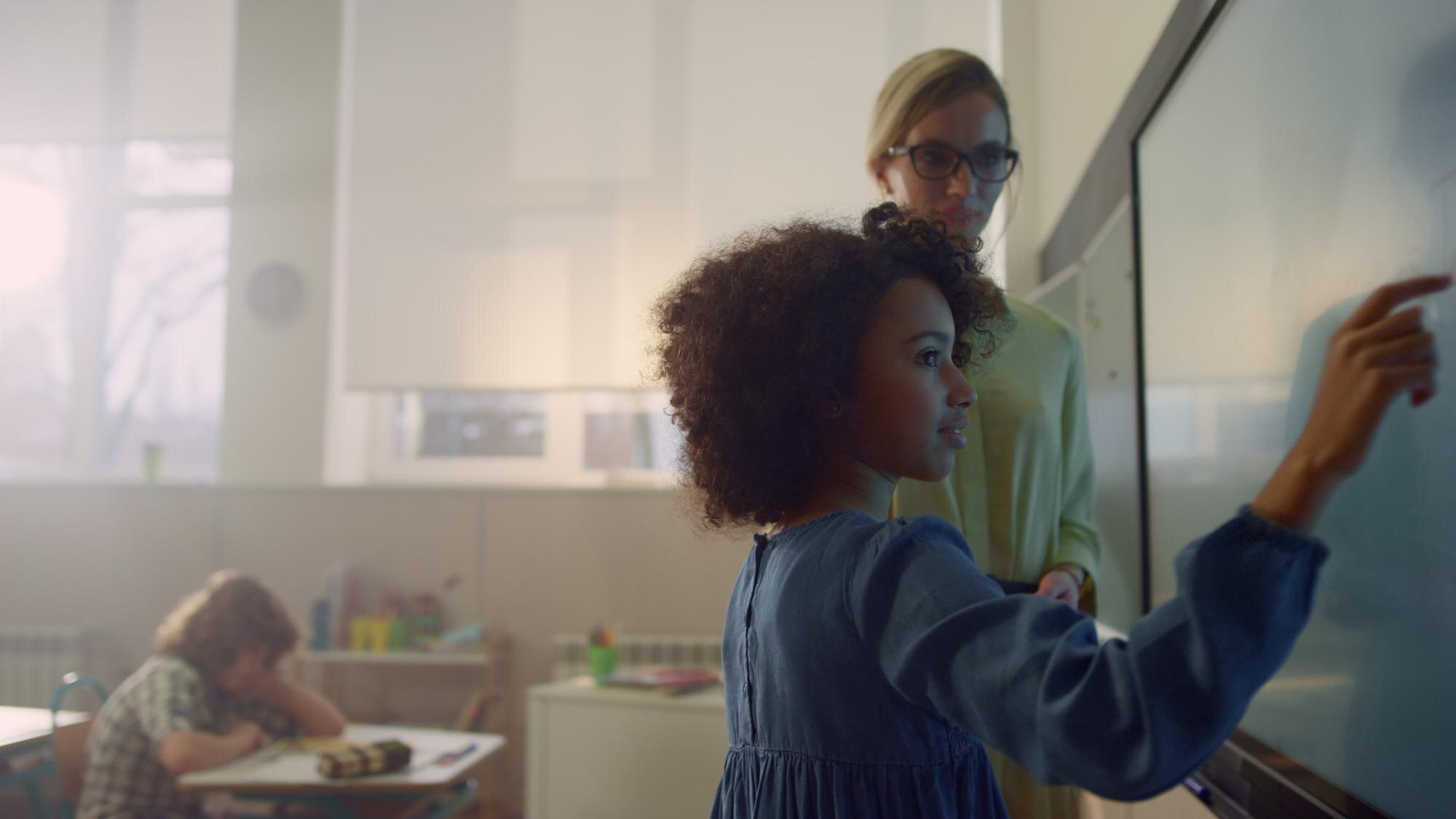
Confidence is essential for gifted students to embrace challenges and pursue their goals. Educators can play a pivotal role in nurturing their self-belief by cultivating a growth mindset and celebrating achievements.
Cultivating a Growth Mindset
A growth mindset is the belief that abilities can be developed through effort and learning. Encouraging this mindset in gifted students can boost their confidence and resilience.
Promote the idea that mistakes are learning opportunities.
Use language that emphasizes effort over innate ability.
Provide constructive feedback focusing on process and improvement.
Example: A math teacher praised effort rather than correct answers. Students became more willing to tackle complex problems, seeing them as opportunities to learn.
Key insight: Shifting focus from perfection to progress fosters resilience and confidence.
Explore Genie Academy for more insights on fostering a growth mindset in gifted education.
Celebrating Achievements
Celebrating achievements, big or small, reinforces self-worth and motivates further efforts. Recognition can be tailored to each student’s personal goals and milestones.
Actionable advice:
Acknowledge not only academic success but also personal growth and perseverance.
Create a “wall of achievements” where students can display their accomplishments.
Offer verbal affirmations and written notes expressing pride in their efforts.
Quote:
“Celebrating successes, no matter how small, instills pride and encourages continued perseverance.”
Resource: For strategies on addressing the social-emotional needs of gifted students, visit ESCCO.
Emotional Intelligence in Gifted Education
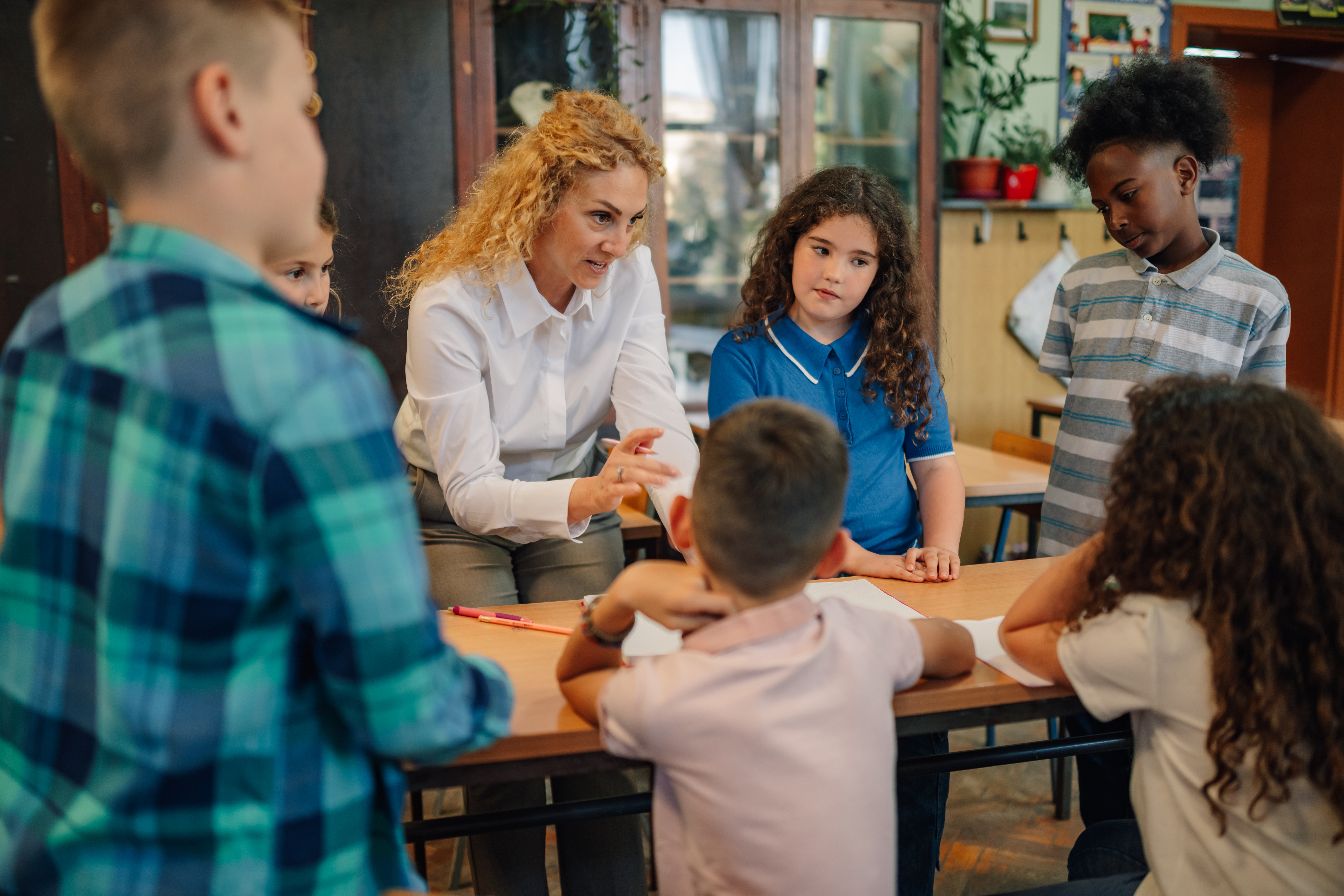
Emotional intelligence (EI) is crucial for gifted students to navigate social interactions and understand their emotional world. Educators can nurture EI by understanding students’ needs and promoting empathy and compassion.
Understanding Gifted Students’ Needs
Gifted students often have unique emotional needs. Recognizing these requirements is the first step toward effective support.
Conceptual explanation: Gifted students may face heightened sensitivity and perfectionism. They need understanding and tailored support from educators.
Key insights:
Observe students’ emotional cues and adapt support accordingly.
Engage in continuous dialogue to understand their perspectives.
Provide differentiated learning experiences to suit their emotional and intellectual levels.
Resource: Explore strategies for meeting gifted students’ needs at ESCCO.
Promoting Empathy and Compassion
Empathy and compassion are vital components of emotional intelligence. These traits enable students to connect with others and foster a supportive learning environment.
Steps to promote empathy:
Incorporate literature and discussions around diverse perspectives.
Encourage students to participate in community service projects.
Facilitate peer mentoring programs to build supportive relationships.
Case study: A classroom implemented empathy exercises, where students shared stories and actively listened to each other. This practice improved their emotional connections and reduced conflicts.
Recommendations:
Integrate empathy-building activities into the curriculum.
Celebrate acts of kindness within the classroom.
Encourage students to reflect on their interactions with peers.
Resource: Learn more about teaching empathy to gifted students at Gifted Challenges.
Conclusion: Building emotional resilience and confidence in gifted students is a multifaceted endeavor. With the right strategies, educators can transform their classrooms into nurturing environments that empower gifted learners. For more resources, visit VK Creative Circle.

A certified Heal Your Life® Coach with 20+ years in education and emotional development. Supports gifted teens in navigating anxiety, perfectionism, and identity challenges, while equipping parents with practical tools for lasting transformation. Sessions blend emotional healing, mindset mastery, and strategic empowerment.