
Empowering the Gifted: Top Strategies for Educators to Foster Resilience and Confidence
Ever felt the immense pressure of nurturing a gifted student? You’re not alone. While these students often shine bright in academics, their emotional landscape can be a maze. As an educator or parent, knowing how to foster resilience and build confidence is crucial. Imagine a classroom where gifted students thrive not just by grades, but with emotional strength and self-assurance. Intrigued? Dive into our top strategies and transform your approach to gifted education. Join us in creating a supportive network that empowers gifted students. Subscribe for more insights!## Understanding Gifted Students
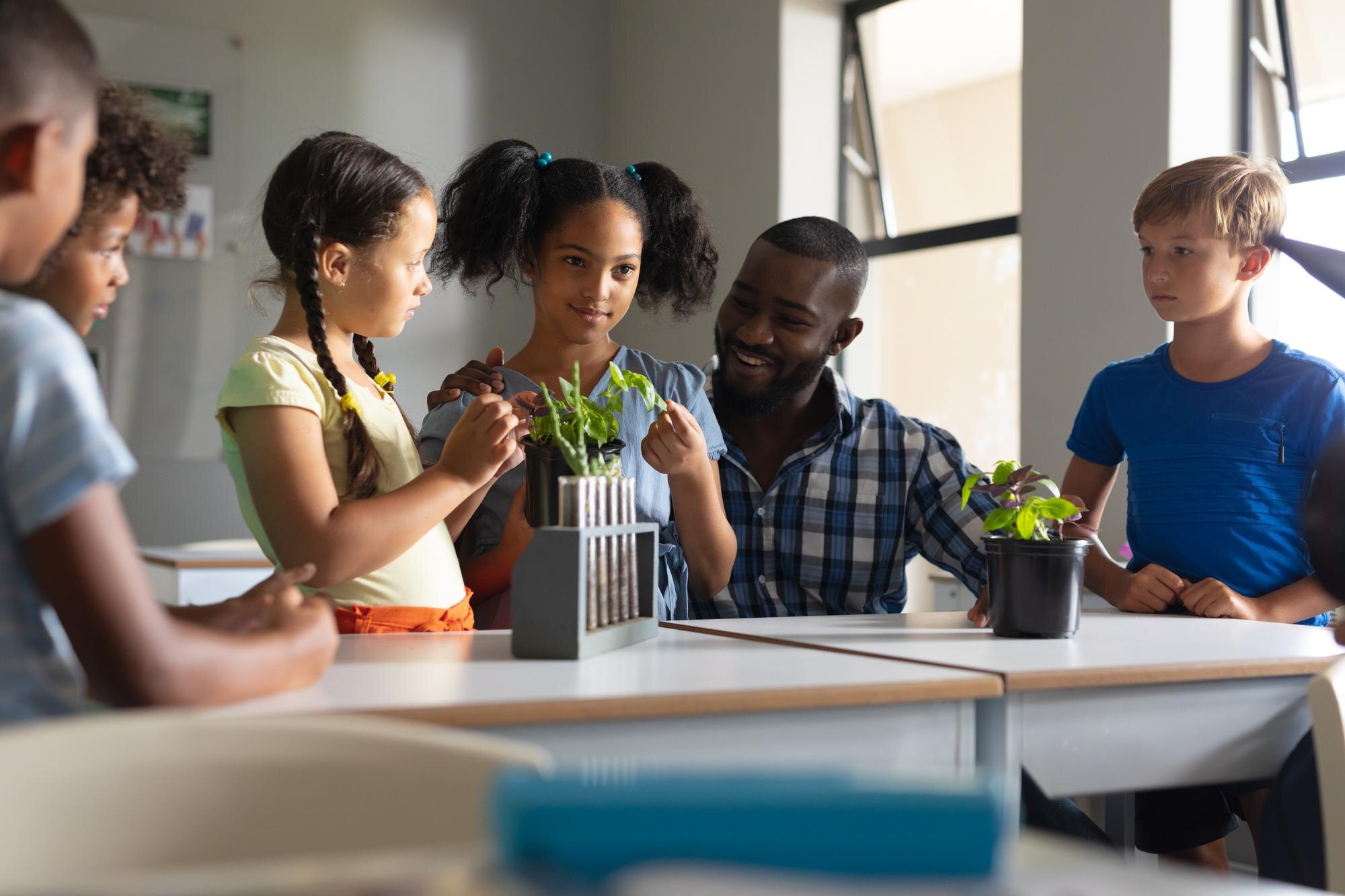
Gifted students often face unique emotional challenges that can influence their academic and personal development. Understanding these challenges is the first step toward providing them with the necessary support. This section explores the specific emotional needs of gifted students and emphasizes the critical role of emotional support in their growth.
Emotional Challenges and Needs
Gifted students experience a range of emotional challenges that differ from their peers. Overexcitability, a heightened intensity in emotional and sensory experiences, can lead to feelings of isolation or stress. These students may also grapple with perfectionism, fearing failure despite their talents.
Another common challenge is asynchronous development, where intellectual abilities grow faster than emotional maturity. This can create confusion and frustration, as gifted students may struggle to relate to peers or manage emotions effectively.
Understanding these challenges is essential for educators and parents. Empathy and patience can create a safe space for gifted students to express themselves. Educators can further explore these needs through resources like Edmentum’s classroom strategies.
The Importance of Emotional Support
Emotional support is crucial for the healthy development of gifted students. It helps them navigate their intense emotions and fosters self-acceptance. Teachers can offer this support by creating an open dialogue with students, allowing them to share their feelings without judgment.
Additionally, incorporating social-emotional learning (SEL) into the curriculum can equip students with skills to manage their emotions. SEL focuses on self-awareness and interpersonal skills, essential components for emotional resilience.
Parents and educators can utilize resources like Genie Academy to implement effective emotional support strategies.
Understanding and acknowledging the emotional needs of gifted students is not just beneficial but necessary to their overall well-being.
Educator Tips for Building Confidence
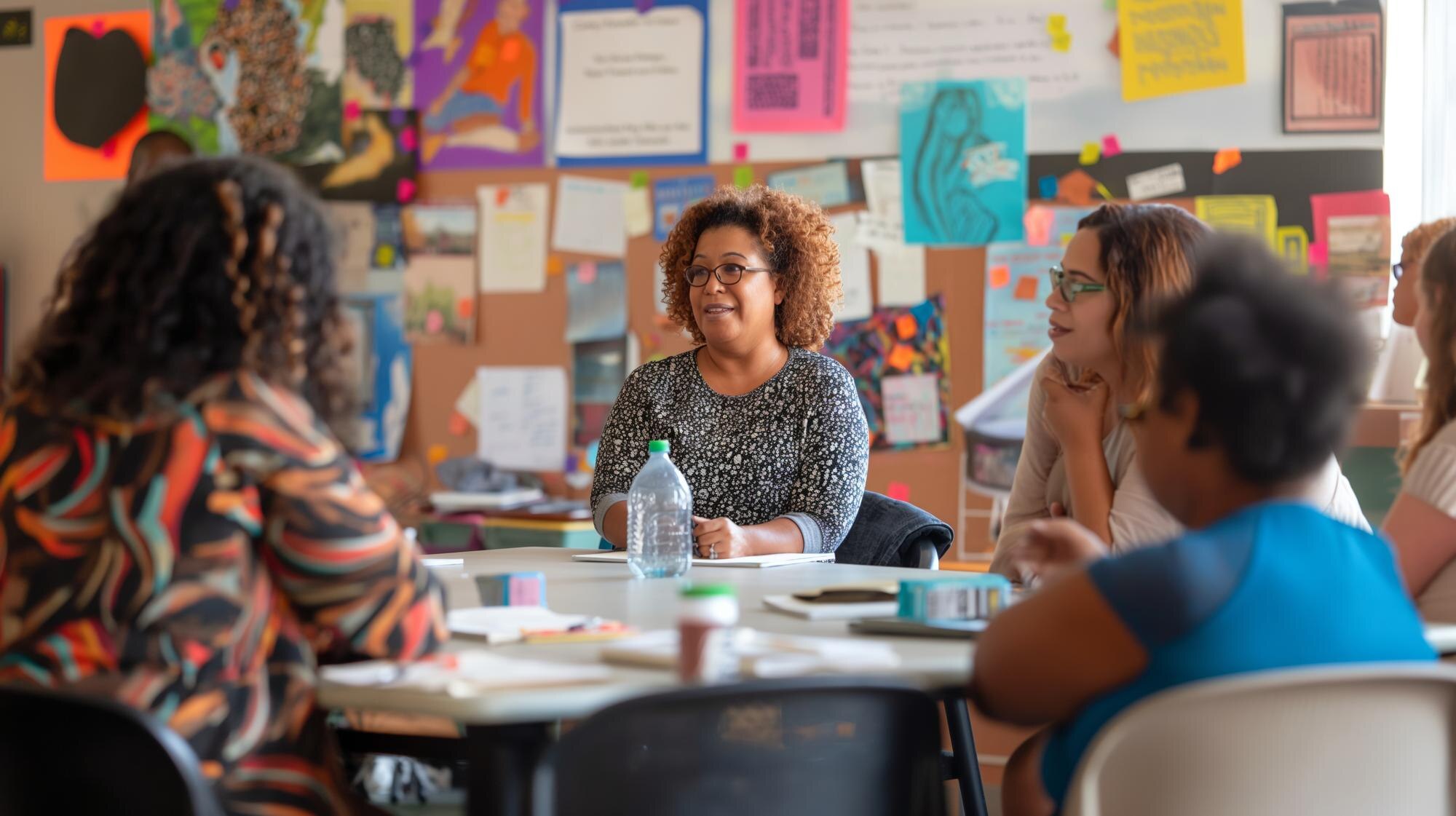
Building confidence in gifted students requires intentional strategies. Educators can foster a supportive environment where these students feel valued and capable. This section highlights practical tips for encouraging a growth mindset and creating a safe learning environment for gifted students.
Encouraging a Growth Mindset
Fostering a growth mindset is key to building confidence in gifted students. This mindset encourages students to view challenges as opportunities for growth rather than as threats.
Praise effort, not just intelligence. Acknowledge the hard work and dedication students put into their tasks.
Model resilience. Share stories of persistence and overcoming failure to inspire students.
Provide constructive feedback. Help students identify areas for improvement without discouragement.
Real-world examples show that students who adopt a growth mindset tend to be more resilient and less fearful of failure. For more insights on fostering a growth mindset, explore Genie Academy’s blog.
Creating a Safe Learning Environment
Creating a safe learning environment is essential to empower gifted students. This involves establishing a classroom atmosphere where students feel secure and supported.
Encourage open communication. Allow students to express their thoughts and feelings without fear of criticism.
Foster inclusivity. Celebrate diversity and ensure that all students feel represented and understood.
Implement flexible teaching methods. Adapt teaching styles to meet the varied needs of gifted students.
Such an environment can boost confidence and motivate students to take intellectual risks. For further strategies, visit Edmentum.
Strategies to Foster Resilience

Developing resilience in gifted students is essential for their long-term success. This section offers strategies to help students cope with challenges and build a supportive network.
Developing Coping Mechanisms
Effective coping mechanisms are vital for managing stress and overcoming setbacks. Educators can support students in developing these skills.
Teach mindfulness. Mindfulness practices help students stay grounded and manage anxiety.
Encourage journaling. Keeping a journal can help students process emotions and reflect on their experiences.
Promote problem-solving skills. Guide students in identifying solutions and taking action.
These mechanisms can enhance emotional resilience and prepare gifted students for future challenges. Explore more coping strategies at Gifted Challenges.
Building a Supportive Network
A supportive network is crucial for fostering resilience in gifted students. This network can include teachers, peers, and family members who provide encouragement and guidance.
Cultivate mentorship relationships. Pair students with mentors who share similar interests or experiences.
Organize peer support groups. Encourage students to connect with others who face similar challenges.
Engage families. Involve parents in the learning process to reinforce support at home.
Building a robust support system can significantly impact a student’s ability to thrive emotionally and academically. For more on building supportive networks, refer to the ESCCO resource.
🌟

A certified Heal Your Life® Coach with 20+ years in education and emotional development. Supports gifted teens in navigating anxiety, perfectionism, and identity challenges, while equipping parents with practical tools for lasting transformation. Sessions blend emotional healing, mindset mastery, and strategic empowerment.



