
Top Strategies for Educators to Foster Resilience and Confidence in Gifted Students
Gifted students often face unique emotional challenges that can make school feel overwhelming. You know these bright minds need more than academic guidance—they need tools to build resilience and confidence. That’s where the right educator strategies come into play. By integrating emotional support with educational guidance, you can help these students not just survive but thrive. Ready to empower them on their journey? Let’s explore how you can make a lasting impact on their lives. Read more about building resilience in gifted students here.
Building Emotional Support Systems

Gifted students often require tailored emotional support to navigate their unique challenges. Ensuring they have a robust emotional support system is vital for their development and well-being. This section delves into how educators can recognize and meet the emotional needs of gifted students and create environments that nurture their growth.
Understanding Gifted Students’ Needs
Gifted students typically experience emotional intensity and heightened sensitivity. Recognizing these traits is crucial for educators aiming to offer effective support. Emotional intensity can manifest as heightened self-awareness, empathy, and a deeper understanding of moral issues.
Educators must be keenly aware of these characteristics and strive to provide an environment that respects and nurtures these traits. A practical approach involves actively listening to students’ concerns and validating their feelings.
The need for intellectual and emotional understanding is highlighted in resources from the National Association for Gifted Children, emphasizing the importance of tailored support.
Creating a Safe and Supportive Environment
Creating a supportive environment involves more than just understanding; it requires action. Start by fostering a classroom atmosphere where students feel safe to express themselves without judgment. Encourage open communication and provide opportunities for students to share their thoughts and emotions.
Set clear expectations about respect and inclusivity.
Regularly check in with students to gauge their emotional well-being.
Integrate social-emotional learning (SEL) activities into the curriculum.
A supportive environment is also discussed in-depth at Genie Academy, highlighting strategies to create nurturing spaces for gifted learners.
Effective Educator Strategies
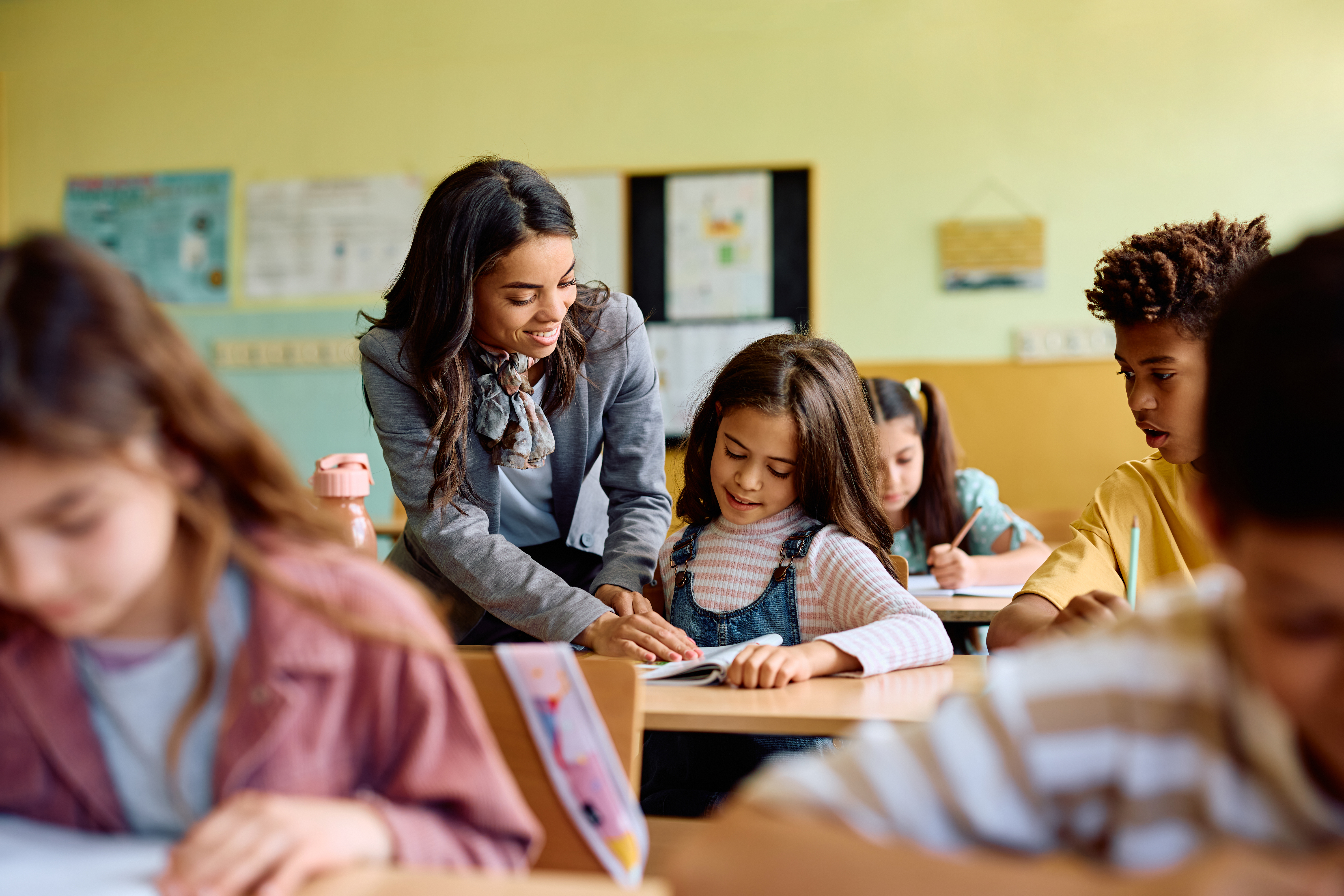
Educators play a pivotal role in building resilience and confidence in gifted students. Implementing effective strategies can significantly enhance their educational experience and personal growth. This section explores confidence building techniques and practices to foster resilience.
Confidence Building Techniques
Building confidence in gifted students requires strategies that emphasize their strengths while addressing areas for growth. Begin by setting achievable goals that align with students’ interests and abilities.
Real-world examples demonstrate the power of positive reinforcement and personalized feedback. Acknowledging students’ efforts rather than just their achievements fosters self-assurance.
Encourage students to take on challenges outside their comfort zones.
Celebrate both successes and failures as learning opportunities.
Provide platforms for students to showcase their talents.
The ESC of Central Ohio provides resources on enhancing confidence through supportive practices.
Resilience in Education Practices
Resilience is a crucial skill for gifted students, helping them manage setbacks and embrace challenges. To cultivate resilience, educators can integrate specific practices into their teaching methods.
Teach problem-solving skills through project-based learning.
Encourage a mindset of perseverance by modeling it in classroom activities.
Use storytelling to illustrate real-life examples of resilience.
Resilience-building activities can be found at Psychology Perspective, offering insights into effective practices for gifted students.
Fostering a Growth Mindset
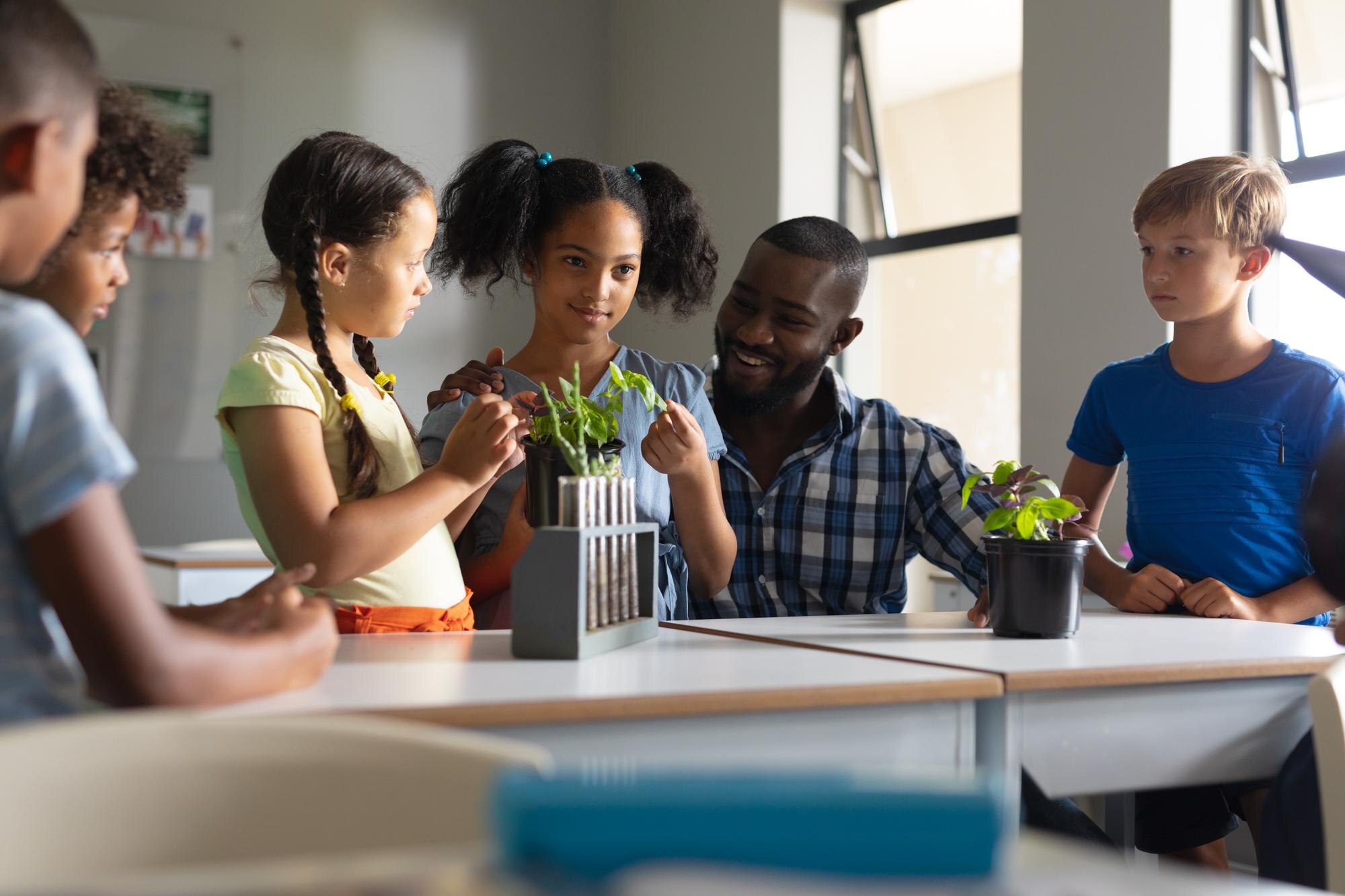
A growth mindset encourages students to view challenges as opportunities to learn and grow. This mindset shift can transform how gifted students approach their education and personal development. In this section, we explore mindset training and the power of self-reflection.
Mindset Training for Students
Mindset training helps students embrace continuous learning and improvement. Introduce the concept of a growth mindset by sharing stories of individuals who have overcome adversity through perseverance.
Use brainteasers and puzzles to promote creative thinking.
Discuss the importance of effort over innate talent.
Create a classroom culture that celebrates progress.
The Genie Academy discusses various techniques for fostering a growth mindset, emphasizing the importance of persistence and adaptability.
Encouraging Self-Reflection and Growth
Self-reflection is a powerful tool for personal growth, particularly for gifted students who may struggle with perfectionism or anxiety. Encourage students to regularly reflect on their experiences and learning processes.
Strategies for self-reflection include journaling exercises and guided discussions. Providing students with structured reflection prompts can help them critically evaluate their thoughts and actions.
Encourage students to set personal goals and track their progress.
Facilitate peer discussions that promote empathy and understanding.
Offer feedback that guides students towards self-improvement.
Resources at Psychology Perspective further explore methods to encourage self-reflection and foster a growth mindset in gifted students.

A certified Heal Your Life® Coach with 20+ years in education and emotional development. Supports gifted teens in navigating anxiety, perfectionism, and identity challenges, while equipping parents with practical tools for lasting transformation. Sessions blend emotional healing, mindset mastery, and strategic empowerment.



