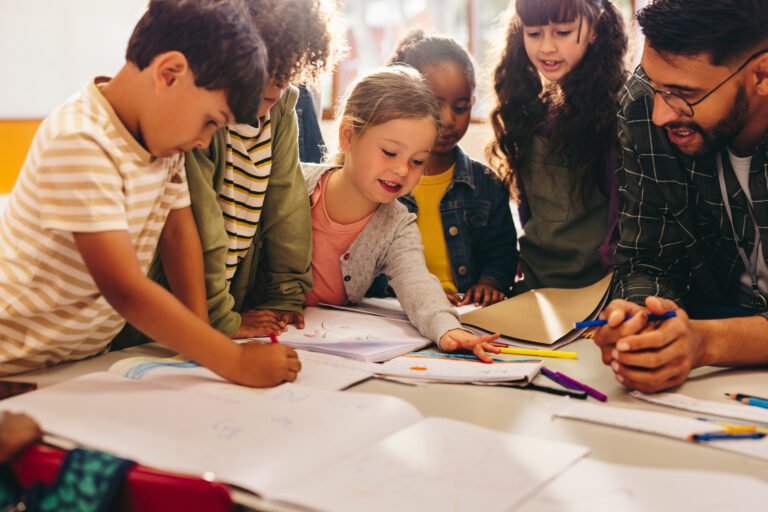
Gifted individuals face unique challenges that influence their emotional and personal growth, necessitating practical steps such as identifying emotions, setting goals, and practicing mindfulness to foster understanding, resilience, and adaptability.
Gifted kids face distinctive challenges as they transition into adulthood. What makes it so hard for them to change and adapt? Let’s dive into their unique experiences.
Understanding the gifted kid complex
The gifted kid complex refers to the unique challenges faced by children with high intelligence. These children often excel in academics but may struggle with personal relationships and emotional development. Understanding this complex is crucial for both parents and educators to support gifted individuals effectively.
What is the Gifted Kid Complex?
The gifted kid complex refers to a phenomenon where gifted children are identified by their intellectual abilities but may be overlooked when it comes to emotional and social skills. While they may grasp concepts quickly, their emotional awareness and coping strategies can lag behind.
Common Characteristics
Gifted children often display certain characteristics such as:
- Intense curiosity: They often ask profound questions and seek deeper understanding.
- Emotional intensity: Many gifted kids experience feelings more intensely than their peers, leading to heightened sensitivity.
- Perfectionism: They may set high standards for themselves, leading to frustration when they falter.
The Role of Identity
Many gifted kids internalize their identity as “the smart one.” This label can create pressure to continuously perform at a high level, leading to anxiety or avoidance of failure. Recognizing and validating their feelings can help mitigate the stress associated with their giftedness.
Support Strategies
To assist gifted children, consider the following strategies:
- Encourage emotional expression: Provide an environment where they feel safe to share their feelings.
- Challenge perfectionism: Teach them that making mistakes is part of the learning process.
- Foster social skills: Engage them in group activities to develop interpersonal relationships.
Understanding the gifted kid complex is the first step in nurturing their full potential and ensuring they develop both intellectually and emotionally.
The unique challenges of gifted children
Gifted children often face unique challenges that can impact their emotional and social development. Their advanced cognitive abilities can lead to feelings of isolation, anxiety, and pressure to perform. These challenges must be understood to help support gifted individuals effectively.
Social Isolation
Many gifted children feel different from their peers, which can lead to social isolation. They may struggle to connect with others who do not share their interests or level of understanding. This feeling of being an outsider can affect their self-esteem and lead to loneliness.
Pressure to Achieve
Gifted children are often labeled as “smart” from a young age, leading to high expectations from parents, teachers, and even themselves. This pressure to achieve can create anxiety and fear of failure, causing them to avoid challenges, as making mistakes is hard for them to cope with.
Emotional Intensity
Gifted children frequently experience emotions more intensely than others. They may feel overwhelmed by their emotions, leading to heightened sensitivity to criticism and conflict. Helping them develop emotional regulation skills is vital for their well-being.
Perfectionism
Many gifted kids exhibit perfectionistic tendencies. They often set excessively high standards for themselves and can become frustrated and discouraged when they cannot meet those expectations. This can result in procrastination or avoidance of tasks they perceive as difficult.
Lack of Challenge
Gifted children may become disengaged in traditional classroom settings, as they are not being challenged at their level. This lack of challenge can result in boredom, which may lead to behavioral issues or a decline in interest in school altogether.
Finding Support
Supporting gifted children involves providing opportunities that stimulate their intellectual growth while also addressing their emotional needs. Encouraging participation in gifted programs, offering challenges that inspire curiosity, and promoting emotional understanding can help them thrive.
The impact of high IQ on emotional development
High IQ can significantly influence emotional development, often in unique ways. While individuals with high IQs may excel academically, they may also experience challenges in understanding and managing their emotions.
The Connection Between IQ and Emotions
Research shows that individuals with high IQ may have less emotional intelligence compared to their intellectual abilities. They might excel at logical reasoning and problem-solving, but struggle with recognizing or expressing their feelings.
Challenges in Emotional Awareness
Many gifted individuals have difficulty identifying their emotions. This can lead to situations where they feel overwhelmed or confused about their emotional states. Their focus on logical reasoning can overshadow the understanding of their genuine feelings.
Interpersonal Relationships
Gifted individuals may also face challenges in their interpersonal relationships. Their peers may find it hard to relate to their intense thought processes. This can result in feelings of isolation or social awkwardness, making it difficult for them to connect with others.
The Pressure of Expectations
Gifted individuals often feel the pressure to perform at high levels due to their intelligence. This can create anxiety and stress, impacting their emotional well-being. They may fear failing to meet expectations, which can lead to avoidance behaviors.
Support for Emotional Development
To support gifted individuals in developing emotional awareness, it’s essential to promote healthy emotional expression. Encouraging open discussions about feelings and providing tools for emotional regulation can greatly benefit their development.
Seeking Professional Help
In some cases, gifted individuals may benefit from working with a therapist who understands their unique challenges. Therapy can provide a safe space for them to explore their emotions and develop effective coping strategies.
Why gifted kids resist change
Gifted kids often resist change for various reasons that stem from their unique psychological makeup. Their high intelligence can create a complex relationship with change, making it a challenging experience for them.
Fear of the Unknown
One significant reason for their resistance is the fear of the unknown. Gifted children tend to thrive in familiar environments where they can excel. Stepping into unfamiliar situations can trigger anxiety, causing them to avoid change.
Perfectionism and Control
Many gifted individuals are perfectionists. They hold themselves to very high standards, which makes them hesitant to embrace change. They often prefer situations they can control, fearing that change might disrupt their ordered world.
Difficulty in Failing
Gifted kids might also struggle with a strong fear of failure. Because they often achieve success easily, the prospect of failing at something new can be daunting. This fear can lead to procrastination or avoidance of new challenges altogether.
Emotional Attachment
Emotional attachment to routines can also play a role. Gifted kids may develop deep connections to their daily habits and environments. When change threatens to alter these aspects of their lives, they may respond with resistance.
Social Pressure
Gifted kids might feel societal pressure to remain successful. Expectations from parents and teachers can make them feel that they cannot afford to take risks. This sense of obligation can heighten their resistance to change and new experiences.
Strategies for Easing the Transition
To help gifted children embrace change, it’s beneficial to gradually introduce new ideas and experiences. Offer positive reinforcement and support while encouraging a growth mindset. Reminding them that challenges are opportunities for growth can shift their perspective towards change.
Cognitive vs. emotional empathy in gifted individuals
Gifted individuals often display a unique relationship with cognitive and emotional empathy. Understanding these two forms of empathy can help illuminate how they interact with others and manage their emotions.
Cognitive Empathy
Cognitive empathy refers to the ability to understand another person’s feelings and perspective, often through reasoning and thought. Gifted individuals may excel at this type of empathy because of their advanced intellectual capabilities. They can analyze situations and predict how others might feel, allowing them to respond appropriately without necessarily feeling the emotions themselves.
Emotional Empathy
In contrast, emotional empathy involves sharing and experiencing another person’s emotions. Gifted individuals may struggle with emotional empathy due to their focus on logic and reasoning. They might find it difficult to connect on an emotional level, leading to misunderstandings in personal relationships.
The Challenges of Balancing Both
For many gifted people, the emphasis on cognitive empathy can overshadow emotional empathy. They might prioritize analyzing a situation rather than engaging with their own or others’ emotions. This imbalance can lead to feelings of isolation since deeper emotional connections may be harder to establish.
Impact on Relationships
The challenge of balancing cognitive and emotional empathy can significantly impact relationships. Gifted individuals may be viewed as distant or unfeeling. To build stronger connections, they need to cultivate emotional empathy alongside their cognitive strengths. This can involve actively listening to others and allowing themselves to feel emotions without judgment.
Strategies to Enhance Emotional Empathy
To foster emotional empathy, gifted individuals can benefit from:
- Connecting with their feelings: Taking time to reflect on their emotions can help them become more in tune with their empathetic responses.
- Practicing mindfulness: Mindfulness techniques can improve awareness of emotions in themselves and others.
- Engaging in social situations: Actively participating in group activities can enhance their understanding of different emotional states.
By embracing both forms of empathy, gifted individuals can improve their relationships and support their emotional development.
Identifying and addressing help-seeking behaviors
Help-seeking behaviors in gifted children are often complex and can stem from several factors. Understanding these behaviors is essential for providing the right support and guidance.
Understanding Help-Seeking Behaviors
Help-seeking behaviors refer to the actions individuals take when they need assistance or support. Gifted children may exhibit these behaviors differently than their peers due to their unique challenges. They may either actively seek help or avoid it altogether.
Common Signs of Help-Seeking
Some common signs that a gifted child is seeking help include:
- Asking questions: Gifted children may ask detailed or complex questions about topics they are curious about.
- Requesting assistance: They may directly ask parents or teachers for help with specific problems they encounter.
- Expressing frustration: When faced with challenges, they might show signs of frustration, signaling that they need support.
Barriers to Seeking Help
Despite their needs, some gifted children may struggle to seek help due to:
- Fear of judgment: They may worry about being perceived as less capable or intelligent.
- Perfectionism: The desire to maintain their self-image as “gifted” can lead to avoidance of help-seeking.
- Previous negative experiences: If they have faced criticism when seeking help in the past, they may be less likely to do so again.
Encouraging Help-Seeking
It is crucial to create an environment that encourages help-seeking behaviors. Parents and educators can:
- Normalize the act of seeking help: Discuss openly that everyone needs help sometimes, regardless of their abilities.
- Provide safe spaces: Create opportunities for gifted children to express their thoughts and feelings without fear of judgment.
- Model positive help-seeking: Show them how to ask for help when needed in various situations.
By identifying and addressing these help-seeking behaviors, parents and educators can better support gifted children in their journey toward personal growth and development.
Overcoming cognitive biases as gifted adults
Gifted adults often face unique challenges, particularly when it comes to cognitive biases. Understanding and overcoming these biases is essential for personal and professional growth.
What are Cognitive Biases?
Cognitive biases are systematic patterns of deviation from norm or rationality in judgment. They affect how individuals process information and make decisions. Gifted adults may be more prone to specific biases due to their heightened analytical skills.
Common Cognitive Biases in Gifted Adults
Some common cognitive biases that gifted adults may experience include:
- Confirmation Bias: This is the tendency to seek out information that supports one’s existing beliefs while ignoring contrary evidence.
- Overconfidence Bias: Gifted adults might overestimate their abilities or knowledge, leading to poor decision-making.
- Anchoring Bias: This involves relying too heavily on the first piece of information encountered, which can skew subsequent judgments.
The Impact of Cognitive Biases
Cognitive biases can hinder decision-making and problem-solving abilities. Gifted adults may struggle to see different perspectives, which can limit their effectiveness in both personal and professional contexts.
Strategies to Overcome Cognitive Biases
Overcoming cognitive biases requires self-awareness and active strategies. Consider the following approaches:
- Reflective Thinking: Take time to reflect on decisions and consider potential biases that might be influencing your judgment.
- Seek Diverse Perspectives: Engaging with people who have different viewpoints can provide valuable insights and reduce biases.
- Practice Critical Thinking: Challenge your assumptions and examine evidence critically. Ask yourself if your thinking is based on emotion or facts.
Emotional Regulation
Emotional regulation plays a crucial role in overcoming cognitive biases. Gifted adults should cultivate emotional awareness to recognize when emotions might be influencing their thinking. Practicing mindfulness can help improve emotional regulation and enhance decision-making skills.
The role of identity in giftedness and change
The role of identity in giftedness is significant and complex, influencing how gifted individuals perceive themselves and respond to change. Their self-image can shape their actions and decisions in profound ways.
Understanding Identity
Identity is how individuals see themselves, including their abilities, interests, and values. For gifted individuals, their identity is often intertwined with their intellect and talents. This identification can sometimes become a core part of who they are.
Giftedness and Self-Perception
Gifted individuals may develop a strong sense of being special or different from their peers. This self-perception can lead to expectations of constant success and achievement. When faced with challenges or failures, they may struggle intensely with their identity.
Impact of Identity on Change
When gifted individuals experience changes in their lives, such as new opportunities or failures, it can challenge their sense of identity. For example, if a gifted student struggles academically in a new environment, it can lead to an identity crisis, questioning their abilities.
Resistance to Change
The strong connection between identity and giftedness can make it difficult for them to embrace change. They may resist change to maintain their established identity as a successful or gifted person. This resistance can hinder personal growth and adaptation.
Developing a Healthy Identity
To support gifted individuals in navigating changes, it’s essential to foster a healthy identity that includes:
- Diverse Interests: Encourage them to explore interests outside of academics to create a multifaceted self-image.
- Understanding Failure: Teach them that failure is part of growth and does not diminish their worth or identity.
- Emphasizing Effort: Highlight the importance of effort and persistence over innate talent alone.
By recognizing the role of identity in giftedness, individuals can create a more resilient foundation that allows them to embrace change and develop into well-rounded adults.
Practical steps for emotional and personal growth
Emotional and personal growth is essential for gifted individuals, helping them navigate their unique challenges. Here are some practical steps to foster this growth.
Identify Your Emotions
Understanding your emotions is the first step toward growth. Take time to think about how you feel in different situations. Journaling can be a helpful tool for expressing and identifying emotions.
Set Personal Goals
Setting specific and achievable goals can guide emotional growth. Consider what areas you want to improve. These goals could include developing better coping strategies, improving communication skills, or enhancing social interactions.
Engage in Mindfulness Practices
Practicing mindfulness can improve self-awareness and emotional regulation. Activities such as meditation, yoga, or deep breathing exercises help ground you in the moment and foster emotional understanding.
Seek Feedback and Support
Talking to trusted friends or family members can provide valuable insights. Encourage them to share their perspectives on your emotional responses. Consider joining support groups where you can connect with peers facing similar challenges.
Embrace New Experiences
Stepping out of your comfort zone can promote personal growth. Try new activities, meet new people, or take on challenges that scare you. Each new experience can build confidence and help you learn more about yourself.
Practice Self-Compassion
Developing self-compassion is vital. Understand that everyone makes mistakes and faces setbacks. Treat yourself as you would a friend, with kindness and understanding rather than harsh criticism.
Reflect and Adjust
Regularly reflect on your growth journey. Evaluate what strategies are working and which ones need adjustment. Being flexible allows you to adapt to new situations and promote ongoing growth.
Embracing Growth as Gifted Individuals
Gifted individuals often face unique challenges that shape their emotional and personal development. Understanding the intricacies of their experiences is essential for navigating their journeys.
By identifying emotions, setting goals, and practicing mindfulness, they can foster meaningful growth. Engaging with supportive communities and embracing new experiences further enriches their paths.
Ultimately, cultivating self-compassion and regularly reflecting on their journeys can help gifted individuals thrive. Growth is a continuous process, and every step taken leads to a deeper understanding of themselves and the world around them.
FAQ – Frequently Asked Questions about Emotional and Personal Growth for Gifted Individuals
What are the first steps toward emotional growth for gifted individuals?
The first steps include identifying your emotions, setting personal goals, and engaging in mindfulness practices to enhance self-awareness.
How can gifted individuals set effective personal goals?
Setting SMART goals—Specific, Measurable, Achievable, Relevant, and Time-bound—can help gifted individuals focus on what they want to improve.
What role does mindfulness play in personal growth?
Mindfulness helps individuals become more aware of their thoughts and feelings, promoting better emotional regulation and reducing stress.
Why is self-compassion important?
Self-compassion allows gifted individuals to treat themselves with kindness during difficult times, helping to reduce anxiety and promote overall well-being.
How can seeking feedback benefit gifted individuals?
Seeking feedback from trusted friends or mentors can provide valuable insights, aiding in self-reflection and personal development.
What should gifted individuals do if they feel resistant to change?
It’s important to acknowledge these feelings and gradually introduce new experiences while practicing self-compassion and seeking support.

A certified Heal Your Life® Coach with 20+ years in education and emotional development. Supports gifted teens in navigating anxiety, perfectionism, and identity challenges, while equipping parents with practical tools for lasting transformation. Sessions blend emotional healing, mindset mastery, and strategic empowerment.