
Empowering Gifted Students: Top Strategies for Educators to Foster Resilience and Confidence
Gifted students often carry the weight of high expectations. They face unique emotional challenges that can hinder their growth. Imagine the power of transforming these challenges into resilience and confidence. As an educator, you hold the key to unlocking this potential. In this guide, you’ll find practical strategies designed to support the emotional wellness of gifted students. With these tools, you can foster an environment where they thrive. Ready to empower your students and inspire change? Let’s begin the journey together. Learn more here.
Building Resilience in Gifted Students

Gifted students often encounter unique emotional and academic challenges. Building resilience is crucial for them to navigate these hurdles effectively. By fostering a supportive environment, educators can help gifted learners develop the strength to overcome obstacles and thrive.
Creating a Supportive Classroom Environment
A supportive classroom environment is foundational for nurturing resilience in gifted students. Educators can create a safe space where students feel valued and understood. This involves recognizing their unique needs and providing tailored support.
Acknowledge individual differences: Celebrate each student’s strengths and address their specific challenges.
Foster inclusivity: Create an inclusive space where gifted students feel they belong.
Encourage collaboration: Promote teamwork to help students learn from each other.
Real-world example: At XYZ School, teachers design projects allowing students to explore their interests while promoting peer interaction. This approach has fostered resilience by building community support.
Key insights:
Students feel more resilient when they are part of a supportive network.
Empowering students to share their experiences builds empathy and understanding. Learn more about creating a supportive environment.
Encouraging Healthy Coping Mechanisms
Gifted students often face high expectations, making healthy coping mechanisms crucial for their emotional wellness. Educators can guide students in developing these skills through structured activities.
Introduce mindfulness practices: Helping students focus on the present can reduce anxiety and stress.
Encourage journaling: Writing about their experiences allows students to process emotions and reflect on their coping strategies.
Example: At ABC Academy, students participate in weekly mindfulness sessions, which have shown to decrease stress levels and improve focus.
Key insights:
Mindfulness and journaling are effective tools for managing stress.
Students develop resilience by consistently practicing these techniques. Explore more coping strategies here.
Fostering Confidence Through Empowerment
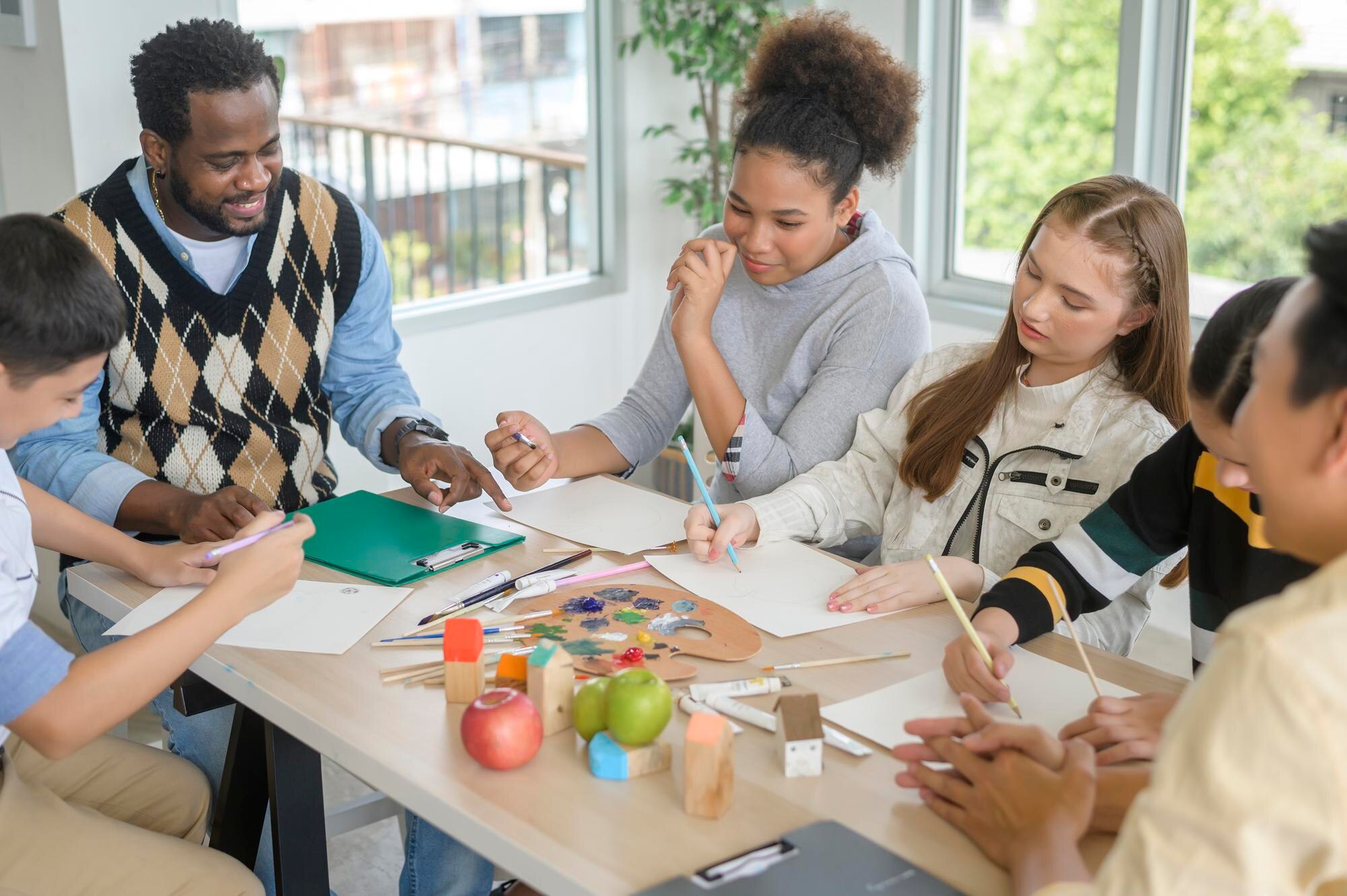
Empowering gifted students builds confidence and encourages them to harness their abilities. Educators can play a pivotal role by providing opportunities that allow students to shine.
Providing Opportunities for Leadership
Encouraging leadership in gifted students helps cultivate confidence and self-assurance. By offering roles that require responsibility, students learn valuable skills.
Assign leadership roles: Have students lead group projects or classroom discussions.
Encourage participation in clubs: Support students in joining or forming clubs where they can express their leadership talents.
Organize workshops: Create workshops that focus on leadership skills and personal development.
Case study: Students participating in leadership roles at DEF School reported increased self-confidence and improved problem-solving skills.
Takeaways:
Leadership roles foster independence and resilience.
Students gain confidence by successfully navigating leadership challenges. Discover leadership strategies here.
Encouraging Self-Reflection and Growth
Self-reflection is key to personal growth and empowerment in gifted students. Educators can encourage this through regular reflection exercises.
Prompt reflective journaling: Ask students to reflect on their achievements and areas for improvement.
Facilitate group reflections: Encourage students to discuss their experiences and learn from others.
Example: GHI School implements bi-weekly group discussions, allowing students to share their reflections, fostering a culture of growth and mutual support.
Key insights:
Self-reflection promotes personal growth and emotional awareness.
Group reflections enhance empathy and understanding among peers. Learn more about fostering growth.
Practical Educator Strategies for Emotional Wellness
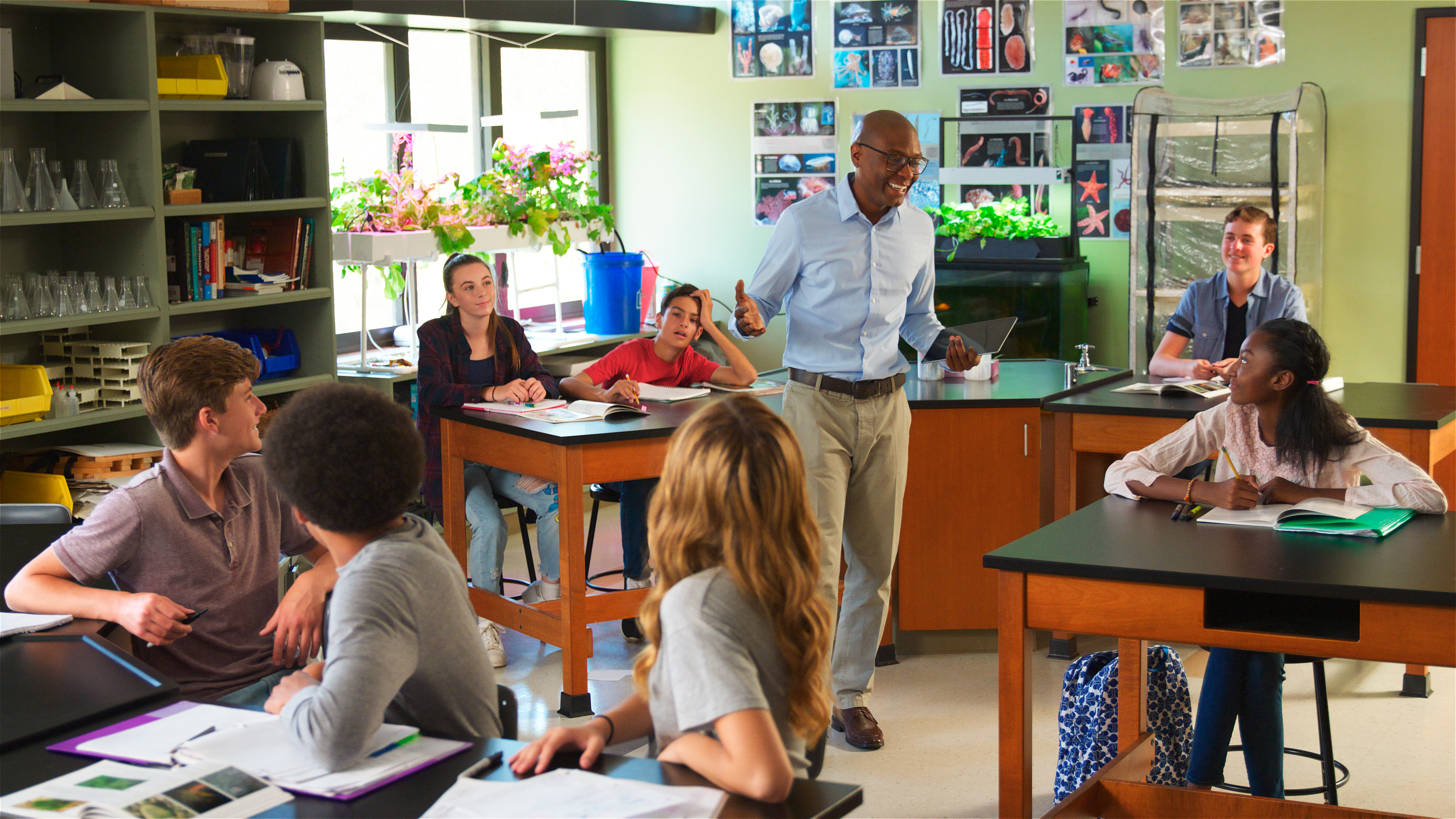
Emotional wellness is vital for gifted students’ success. Educators can implement practical strategies to support emotional learning and open communication.
Integrating Emotional Learning Activities
Incorporating emotional learning activities can enhance gifted students’ emotional intelligence. These activities help students recognize and manage their emotions.
Role-playing scenarios: Encourage students to act out scenarios, helping them understand different perspectives.
Emotion mapping: Have students create maps of their emotions to visualize and manage them effectively.
Example: JKL School’s role-playing activities have led to increased emotional awareness and improved social skills among students.
Key insights:
Emotional learning activities build emotional intelligence.
Students become more adept at managing their emotions through practice.
Promoting Open Communication with Students
Establishing open communication channels is essential for supporting gifted students’ emotional wellness. Educators can foster a trusting environment for students to express their feelings.
Regular check-ins: Schedule one-on-one meetings to discuss students’ progress and concerns.
Facilitate open discussions: Encourage students to voice their thoughts and feelings in a safe space.
Case study: MNO School’s open communication policy has resulted in reduced anxiety levels and strengthened student-teacher relationships.
Takeaways:
Open communication builds trust and enhances emotional support.
Students feel more secure when they can express themselves openly. 😊

A certified Heal Your Life® Coach with 20+ years in education and emotional development. Supports gifted teens in navigating anxiety, perfectionism, and identity challenges, while equipping parents with practical tools for lasting transformation. Sessions blend emotional healing, mindset mastery, and strategic empowerment.



