
Happy teacher and joyful school kids celebrate together successful completion of collective school work in a light classroom
Empowering Minds: Top Strategies for Educators to Foster Resilience and Confidence in Gifted Students
Gifted students often face unique challenges that can test their resilience and confidence. As an educator, you know these bright minds need more than just academic guidance—they need emotional support, too. This post dives into proven strategies that will help you nurture their emotional well-being and build their confidence. You’ll gain insights that empower you to make a real difference in their lives. Ready to transform your approach and support gifted students like never before? Let’s get started. Learn more about building resilience in gifted students.
Building Resilience in Gifted Students

Building resilience in gifted students is essential for their emotional and academic success. These young learners face unique challenges that require tailored strategies to help them navigate life’s ups and downs. Understanding how to foster resilience can equip educators with the tools to support these students effectively.
Encouraging Emotional Awareness
Emotional awareness is the foundation of resilience. Gifted students often experience intense emotions that can overwhelm them. Encouraging them to recognize and label their feelings is crucial. Understanding their emotions helps them manage stress and maintain a positive mindset.
To facilitate emotional awareness:
Introduce emotional vocabulary in the classroom.
Encourage students to journal their feelings daily.
Incorporate mindfulness practices like deep breathing.
Real-world example: A gifted student, Alex, struggled with frustration during challenging tasks. By keeping a journal, Alex learned to identify frustration early and use breathing techniques to stay calm.
Key Insight: Emotional awareness reduces stress and enhances problem-solving abilities.
For more detailed strategies, check out these resources.
Strengthening Coping Mechanisms
Coping mechanisms are vital for handling stress. Gifted students need diverse strategies to manage both academic pressure and emotional challenges. Educators can play a significant role in strengthening these skills.
Consider these coping strategies:
Teach relaxation techniques such as progressive muscle relaxation.
Encourage participation in physical activities to reduce stress.
Promote creative outlets like art or music for emotional expression.
Case Study: Jane, a gifted student, found relief in painting when overwhelmed. This creative outlet became her go-to strategy for managing stress.
Takeaway: Diverse coping mechanisms provide students with options for different situations.
For further reading, explore this guide.
Strategies for Boosting Confidence
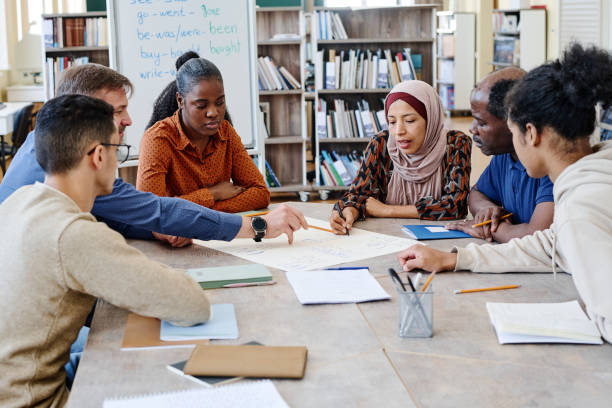
Boosting confidence in gifted students is critical for their development. Confidence impacts their willingness to take risks and try new things. Implementing effective strategies can help educators support their students’ growth.
Positive Reinforcement Techniques
Positive reinforcement encourages desired behaviors by rewarding them. In gifted education, it can be a powerful tool to build confidence and motivation.
Consider these techniques:
Acknowledge effort rather than results.
Offer specific praise related to the behavior.
Implement a reward system for consistent performance.
Real-world example: Sarah, a gifted learner, improved her writing skills with consistent praise for her creativity and effort, leading to increased confidence.
Key Insight: Specific and positive feedback encourages ongoing effort and builds self-esteem.
For more on reinforcing strategies, visit this site.
Goal Setting for Gifted Learners
Goal setting empowers students to take control of their learning. For gifted learners, setting challenging yet achievable goals can boost their confidence and drive.
To implement goal setting:
Help students define clear, measurable goals.
Break goals into manageable steps.
Celebrate achievements, even small ones.
Example: When a gifted student set a goal to read five new books a month, breaking it down into weekly targets made it manageable and motivating.
Takeaway: Goal setting fosters autonomy and a sense of achievement.
Explore more about this topic here.
Supporting Emotional Well-being
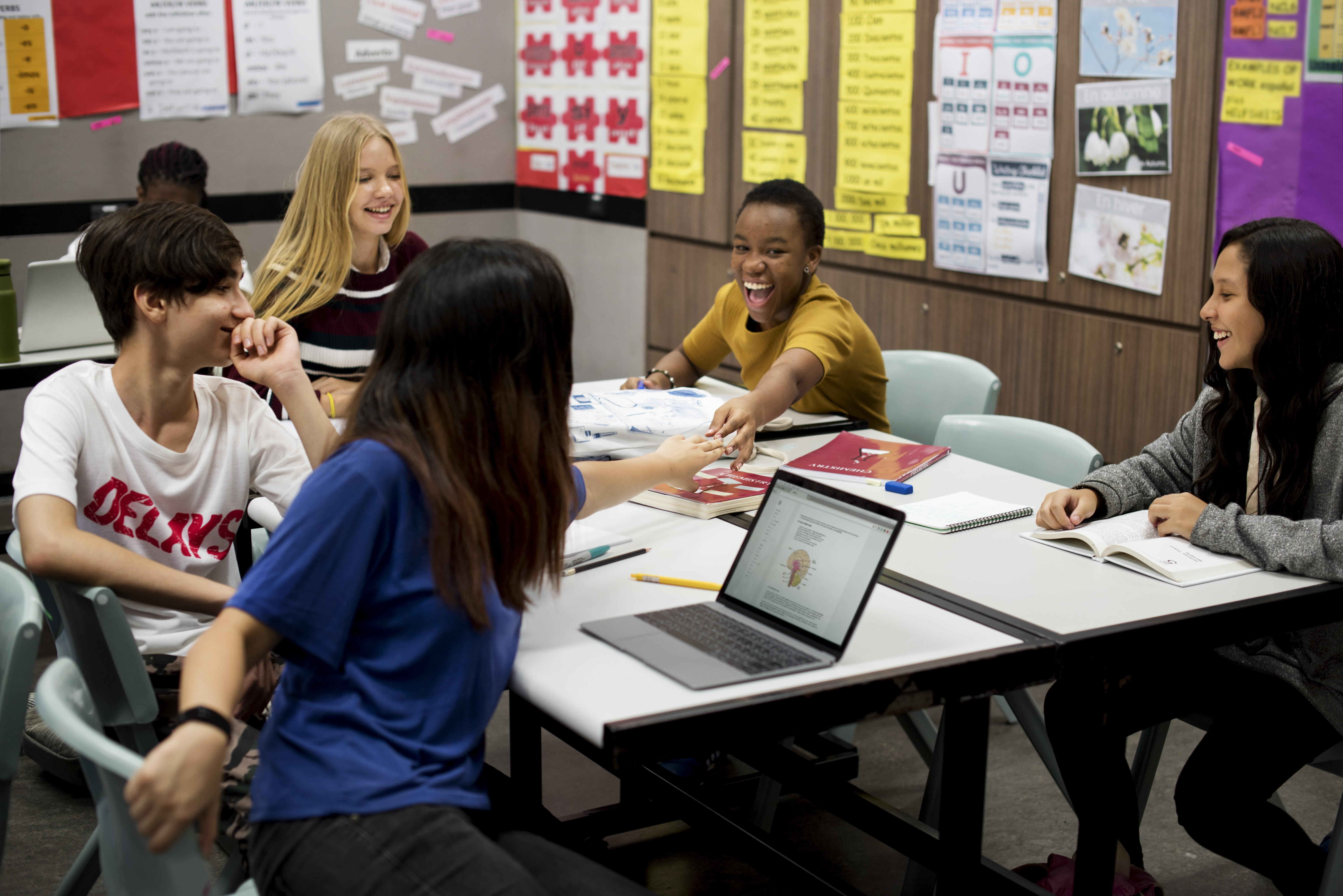
Gifted students’ emotional well-being is a priority for educators. A supportive environment helps them thrive both emotionally and academically. By focusing on their well-being, educators can create a nurturing space conducive to learning.
Creating a Safe Learning Environment
A safe learning environment is crucial for emotional well-being. Gifted students need to feel secure and respected to express themselves freely.
To create such an environment:
Establish clear expectations and routines.
Foster inclusivity and celebrate diversity.
Address bullying and conflicts promptly.
Case Study: A school implemented a peer support program, significantly reducing incidents of bullying and creating a positive atmosphere.
Takeaway: Safety and respect are fundamental to a supportive learning environment.
For more insights, visit this resource.
Encouraging Open Communication
Open communication between educators and students builds trust. Gifted students benefit from knowing their thoughts and feelings are valued.
Encourage communication by:
Holding regular one-on-one meetings.
Using open-ended questions to facilitate discussion.
Creating forums for students to voice their opinions.
Example: A teacher implemented weekly check-ins, allowing students to express concerns freely, leading to improved relationships and a happier classroom.
Key Insight: Open communication fosters trust and supports emotional growth.
Find more strategies here.
For additional resources and to join our upcoming workshop on emotional intelligence training, sign up for our newsletter. You’ll also receive a free guide on boosting emotional intelligence in gifted learners.

A certified Heal Your Life® Coach with 20+ years in education and emotional development. Supports gifted teens in navigating anxiety, perfectionism, and identity challenges, while equipping parents with practical tools for lasting transformation. Sessions blend emotional healing, mindset mastery, and strategic empowerment.



