
Top Strategies for Educators to Boost Resilience and Confidence in Gifted Students
Gifted students often feel the weight of high expectations, leaving them anxious and unsure. As an educator, you’re keenly aware of these unique challenges. You’re in the perfect position to make a difference. By applying simple yet effective teaching strategies, you can help these talented individuals build resilience and confidence. Imagine watching them transform from hesitant learners into self-assured leaders. Ready to make that happen in your classroom? Let’s explore the key strategies that will empower your gifted students to thrive. Learn more about building resilience in gifted students.
Understanding Gifted Students

Gifted students possess exceptional abilities, but they often face unique emotional and psychological challenges. Understanding these learners is vital for educators to effectively support their growth. In this section, we’ll explore the emotional hurdles and high expectations that can lead to anxiety in gifted students. By identifying these issues, we can better tailor our teaching strategies to foster a supportive and encouraging environment.
Emotional Challenges Faced
Gifted students frequently encounter emotional challenges. These may include feelings of isolation or being misunderstood by peers. Their heightened sensitivity can result in overthinking and intense emotional responses.
Studies show that gifted students are prone to perfectionism, which can lead to anxiety and stress. This pressure can be overwhelming, affecting their overall well-being and academic performance.
Real-world examples highlight the importance of addressing these emotional challenges. Educators need to create safe spaces where gifted students feel understood and accepted.
Acknowledging their emotions is the first step toward helping them navigate these challenges.
Providing emotional support and open communication channels can significantly improve their school experience.
Visit this resource for more insights into the emotional needs of gifted students.
High Expectations and Anxiety
The high expectations placed on gifted students can result in significant anxiety. They often feel immense pressure to excel, leading to stress and burnout.
Gifted students may internalize these expectations, believing they must constantly perform at their best. This can hinder their ability to take risks and explore new areas of interest.
Educators can support these students by setting realistic expectations. Encourage them to embrace challenges as opportunities for growth rather than threats to their self-worth.
Focus on progress rather than perfection.
Reinforce that mistakes are part of learning, not failures.
Explore strategies to manage high expectations and reduce anxiety here.
Building Resilience in the Classroom
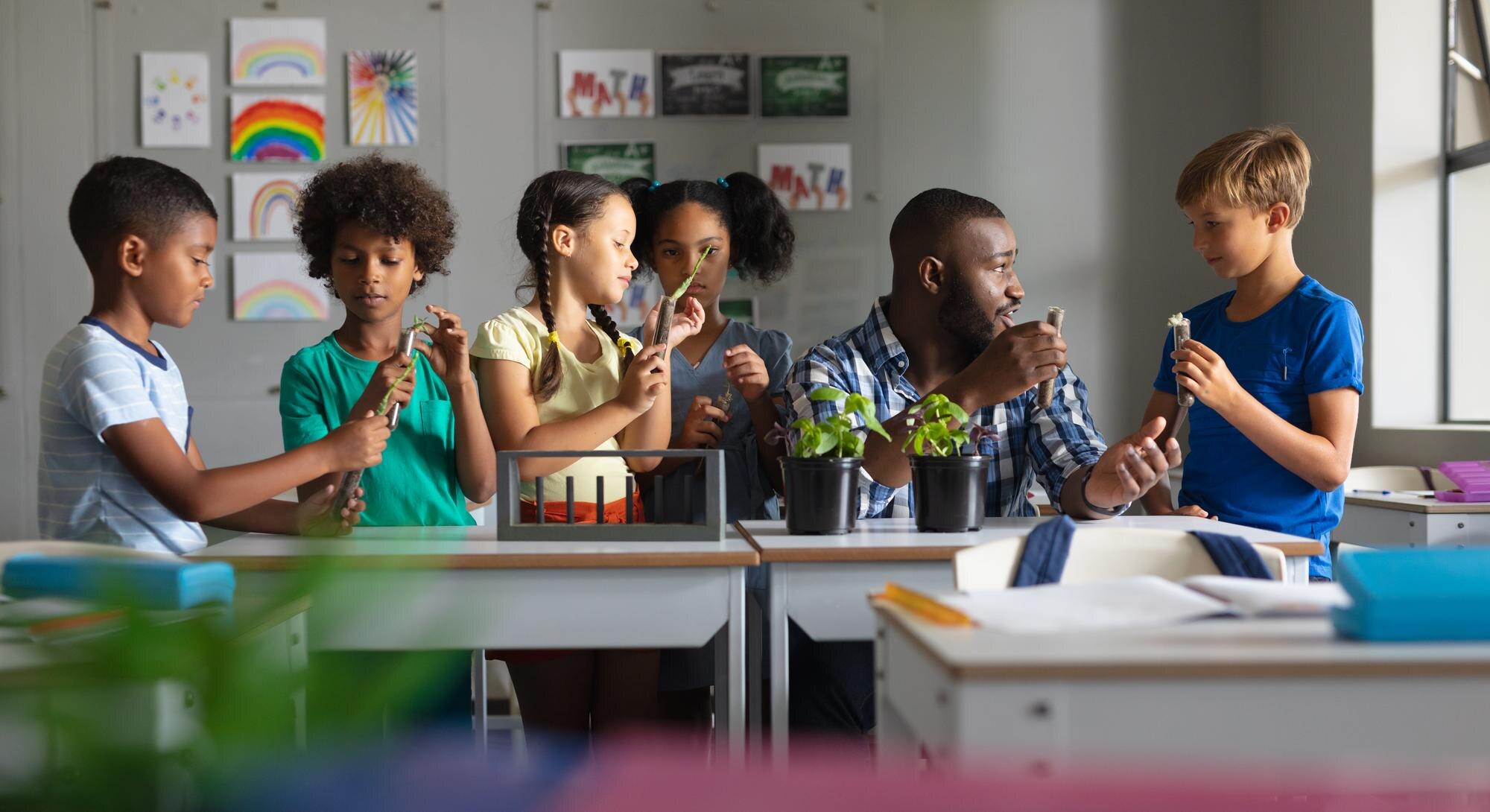
Fostering resilience in gifted students is crucial for their emotional development. It involves equipping them with the skills to cope with challenges and setbacks. This section will cover effective classroom strategies that emphasize growth mindset and self-reflection, guiding gifted students to become more resilient individuals.
Encouraging a Growth Mindset
Encouraging a growth mindset involves helping students see abilities as improvable through effort and persistence. This approach can significantly strengthen resilience in gifted learners.
Model a growth mindset: Share your learning experiences and challenges with students.
Promote effort over results: Praise students for their effort and strategies rather than innate talent.
Introduce varied challenges: Encourage students to tackle tasks outside their comfort zones.
A growth mindset encourages students to view challenges as opportunities. They learn that setbacks are temporary and can lead to new learning experiences.
Students gain confidence, knowing that persistence can lead to improvement.
They become more willing to take on difficult tasks without fear of failure.
For more on fostering a growth mindset in gifted students, visit this blog.
Emphasizing Self-Reflection and Gratitude
Self-reflection and gratitude practices can enhance resilience by allowing students to understand their emotions and appreciate positive experiences.
Encourage students to maintain a journal for reflecting on daily experiences. This practice can help them process emotions and identify patterns in their behavior.
Gratitude exercises, such as listing things they are thankful for, can shift focus from stressors to positive aspects of life.
Students learn to appreciate small victories and improvements.
Self-reflection aids in personal growth and emotional regulation.
Educators can integrate these practices into daily routines, fostering a supportive classroom environment. Explore strategies here.
Boosting Student Confidence

Building confidence in gifted students requires a focus on celebrating achievements and providing supportive feedback. By recognizing their successes and guiding them with constructive criticism, educators can help these students develop a strong sense of self-assurance. This section will explore techniques for boosting student confidence effectively.
Celebrating Small Wins
Acknowledge the importance of small wins in building student confidence. Recognizing these achievements can motivate students and reinforce positive behaviors.
Real-world examples show that celebrating incremental progress encourages gifted students to continue striving for improvement.
Create a classroom culture that values progress over perfection.
Use visual aids, like progress charts, to highlight student achievements.
Bullet points summarizing key insights:
Recognition of small wins fosters motivation and engagement.
Students learn that each step forward is valuable and deserves celebration.
Learn more about cultivating confidence through small wins here.
Providing Constructive Feedback
Constructive feedback is essential for helping gifted students understand their strengths and areas for improvement. It’s important to deliver feedback in a way that encourages growth and confidence.
Start by highlighting positives before addressing areas needing improvement. This approach ensures students feel valued and understood.
Be specific in your feedback, focusing on behaviors rather than personal traits.
Encourage students to seek feedback and view it as a tool for growth.
Blockquote for emphasis:
“Feedback is not about judgment but about helping students grow.”
For more on effective feedback strategies, visit this resource.
🌟

A certified Heal Your Life® Coach with 20+ years in education and emotional development. Supports gifted teens in navigating anxiety, perfectionism, and identity challenges, while equipping parents with practical tools for lasting transformation. Sessions blend emotional healing, mindset mastery, and strategic empowerment.