
Empowering Gifted Students: Top Strategies for Educators to Build Resilience and Confidence
Gifted students often face unique challenges that can overshadow their exceptional abilities. As an educator, you understand the importance of nurturing not just their intellect, but their emotional resilience and confidence as well. Imagine empowering these bright minds with the tools they need to thrive, both in school and beyond. This blog will reveal practical strategies to support gifted students, helping them build inner strength and self-belief. Get ready to transform your approach to gifted education, one student at a time. Learn more about building resilience in gifted students.
Building Emotional Resilience
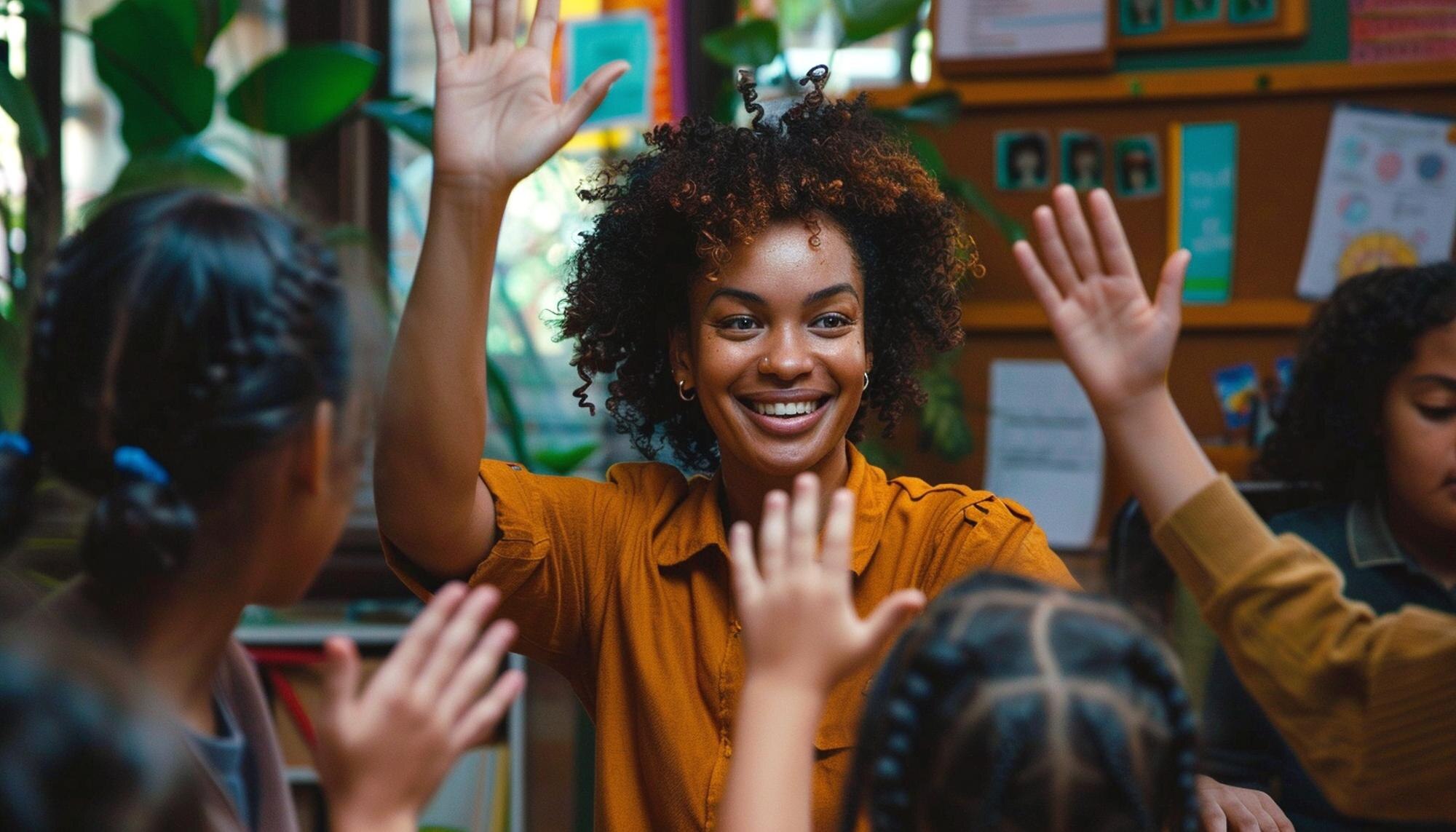
Supporting gifted students in developing emotional resilience is crucial for their overall well-being. These students often face pressures that can impact their emotional health, making resilience essential. Developing this skill involves understanding their unique challenges and implementing strategies for growth. Encouraging emotional intelligence further enhances their ability to cope with stress and setbacks.
Understanding Unique Challenges
Gifted students often encounter unique emotional challenges. Their heightened sensitivities can lead to feelings of isolation and anxiety. Understanding these challenges allows educators to address them effectively. Awareness of their experiences can help tailor support strategies. For instance, social interactions might be difficult for them, leading to feelings of loneliness.
Emotional upheaval can stem from perfectionism. The desire to meet high expectations can cause stress. Educators should recognize these pressures and provide reassurance. A nurturing environment can help in reducing anxiety.
External expectations add another layer of complexity. Gifted students might feel pressured to excel constantly. By acknowledging these challenges, educators can better support their emotional needs.
Strategies for Emotional Growth
To promote emotional growth, educators can implement a variety of strategies. Creating safe spaces for expression is crucial. Students should feel comfortable sharing their feelings without judgment. This openness fosters emotional resilience.
Encourage reflection through journaling.
Facilitate group discussions on emotional topics.
Introduce mindfulness practices to reduce stress.
Another effective method is integrating emotional learning into the curriculum. By addressing emotional themes in lessons, students develop awareness. This approach encourages them to explore their feelings in a structured manner.
Supportive relationships are also key. By building trust, educators can guide students through their emotional development. Regular check-ins provide opportunities to discuss feelings and challenges.
Encouraging Emotional Intelligence
Emotional intelligence is vital for managing emotions and understanding others. Gifted students can benefit from developing these skills. Educational activities that focus on emotional intelligence can be integrated into the classroom.
Use role-playing exercises to understand different perspectives.
Discuss scenarios requiring empathy and emotional regulation.
Encourage students to identify and label their emotions accurately.
Teachers can also model emotional intelligence. By demonstrating empathy and thoughtful responses, they set an example for students. This modeling helps students learn appropriate emotional responses.
The benefits of emotional intelligence extend beyond the classroom. Students equipped with these skills are better prepared for future challenges. Encouraging emotional intelligence in gifted students is an investment in their long-term success. Learn more about emotional resilience in gifted students.
Confidence Building Techniques
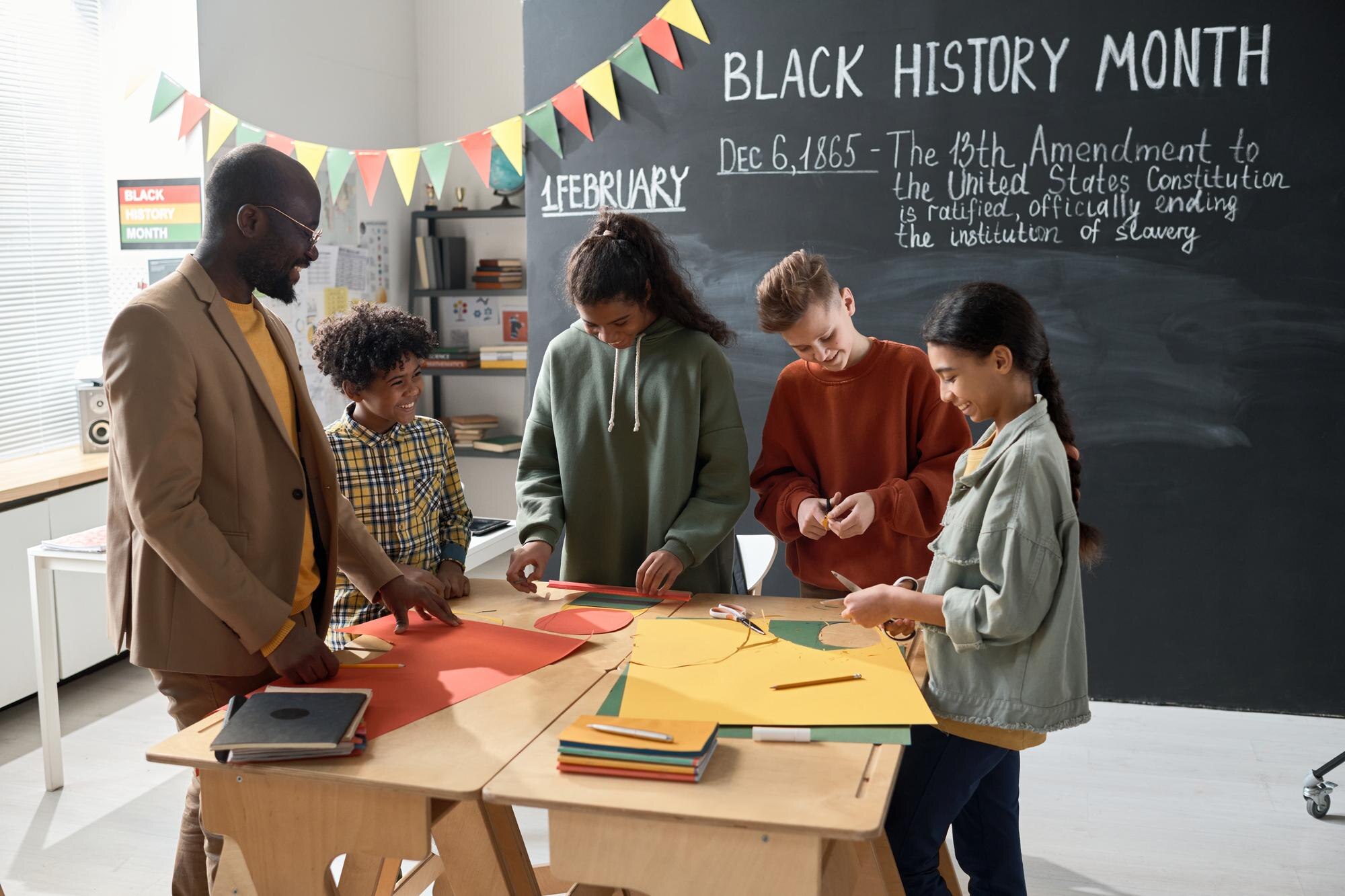
Building confidence in gifted students is essential for their academic and personal success. Confidence enables them to take risks and embrace new challenges. Educators can employ various techniques to boost their self-esteem. These techniques include positive reinforcement, fostering a growth mindset, and celebrating individual strengths.
Positive Reinforcement Methods
Positive reinforcement is a powerful tool in confidence building. Acknowledging achievements helps students recognize their abilities. This recognition encourages them to pursue further challenges.
Provide specific feedback on accomplishments.
Celebrate both major and minor successes.
Use verbal praise to reinforce positive behaviors.
Incorporating positive reinforcement into the classroom can create a supportive atmosphere. Students feel valued and motivated to excel. Recognizing their efforts builds a sense of accomplishment and pride.
Educators should tailor reinforcement to individual needs. Understanding each student’s preferences enhances the effectiveness of this approach. Personalized reinforcement signals genuine appreciation and encourages continued growth.
Fostering a Growth Mindset
A growth mindset is the belief that abilities can be developed through effort. Gifted students with this mindset are more resilient to setbacks. Encouraging a growth mindset involves fostering a culture of learning and perseverance.
Emphasize effort over innate ability.
Share stories of successful individuals who overcame challenges.
Encourage students to view mistakes as learning opportunities.
Educators can model a growth mindset by demonstrating their own learning processes. Sharing personal experiences with challenges and growth can inspire students. This perspective encourages students to embrace challenges with a positive attitude.
The benefits of a growth mindset extend beyond academics. Students learn to approach life with resilience and determination. Explore strategies for teaching gifted students.
Celebrating Individual Strengths
Recognizing and celebrating individual strengths boosts confidence. Gifted students often have unique talents that set them apart. Highlighting these strengths helps them appreciate their abilities and contributions.
Encourage students to identify their strengths.
Provide platforms for showcasing talents.
Celebrate diversity in skills and interests.
Educators can facilitate activities that allow students to shine. Talent shows, art exhibitions, and science fairs are opportunities to celebrate individual strengths. These events foster a sense of achievement and belonging.
Recognizing strengths also builds self-awareness. Students gain confidence by understanding their abilities and potential. This self-awareness empowers them to pursue their passions with confidence.
Effective Educator Strategies
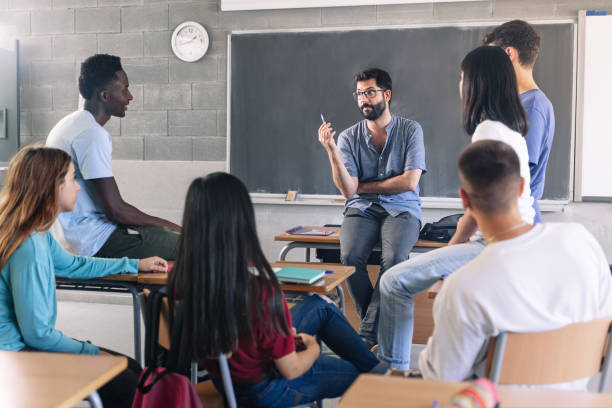
Educators play a pivotal role in supporting gifted students. By implementing effective strategies, they can create an environment conducive to growth. These strategies include creating a supportive environment, personalized learning approaches, and promoting self-advocacy.
Creating a Supportive Environment
A supportive environment is essential for gifted students’ success. Fostering a sense of belonging helps students feel valued and understood. This environment encourages participation and risk-taking.
Build strong relationships with students.
Encourage open communication.
Create a classroom culture of respect and inclusivity.
Educators should be attentive to students’ emotional needs. Providing emotional support and guidance builds trust. Recognizing individual challenges and offering assistance is key.
A positive classroom environment promotes engagement. Students feel comfortable expressing themselves and exploring new ideas. This atmosphere nurtures both academic and emotional growth.
Personalized Learning Approaches
Personalized learning approaches cater to individual strengths and needs. Gifted students often benefit from tailored educational experiences. Implementing personalized learning involves adapting teaching methods to suit each student.
Conduct assessments to identify strengths and areas for improvement.
Develop individualized lesson plans.
Offer opportunities for self-directed learning.
Educators should collaborate with students to set learning goals. This collaboration empowers students to take ownership of their education. Personalized learning encourages autonomy and self-motivation.
The benefits of personalized learning extend beyond academic achievement. Students develop skills in self-management and decision-making. Discover classroom strategies for teaching gifted students.
Promoting Student Self-Advocacy
Self-advocacy empowers students to voice their needs and preferences. Gifted students benefit from developing this skill. Encouraging self-advocacy involves teaching students how to communicate effectively.
Teach communication strategies for expressing needs.
Encourage students to participate in decision-making.
Provide opportunities for leadership roles.
Educators can model self-advocacy by involving students in discussions about their learning. Encouraging questions and feedback fosters a sense of agency. This approach empowers students to advocate for their educational needs.
Self-advocacy skills extend beyond the classroom. Students equipped with these skills are better prepared for future challenges. The ability to communicate effectively enhances their confidence and resilience.
Address the social-emotional needs of gifted students.

A certified Heal Your Life® Coach with 20+ years in education and emotional development. Supports gifted teens in navigating anxiety, perfectionism, and identity challenges, while equipping parents with practical tools for lasting transformation. Sessions blend emotional healing, mindset mastery, and strategic empowerment.



